

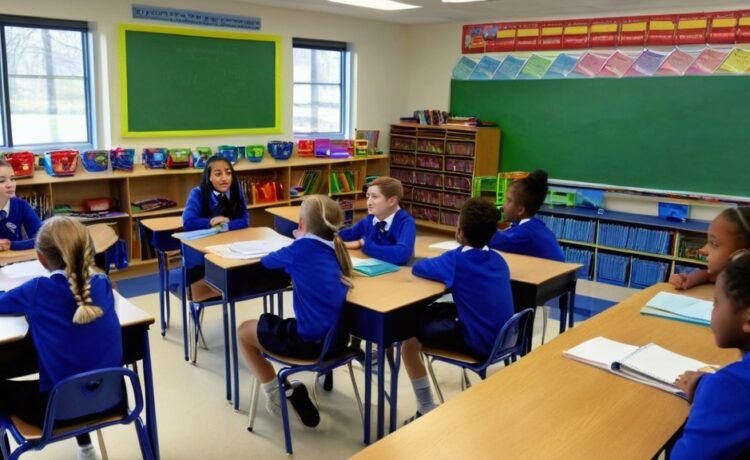
Meet Your School Staff: Headshots and Introductions
We are pleased to present this comprehensive guide, “Meet Your School Staff: Headshots and Introductions.” This resource is designed to offer our school community – students, parents, and fellow staff members – a clear and accessible overview of the individuals who form the backbone of our educational institution. In an environment as dynamic as a school, understanding who does what, and whose expertise to tap into, is akin to navigating a bustling city without a map; it can lead to wasted time and missed opportunities. This document aims to provide that map, illuminating the roles and personalities of those dedicated to fostering a productive and supportive learning environment.
Our school is a complex ecosystem, a vibrant tapestry woven from the threads of diverse talents and responsibilities. From the administrative offices that keep the wheels of operation turning smoothly to the educators who ignite young minds, every individual plays a crucial part. This introduction serves as a gateway, inviting you to familiarize yourselves with the architects of your daily school life. We believe that knowing the faces behind the titles fosters a stronger sense of connection and collaboration.
The leadership team are the captains of our school’s ship. They chart the course, set the sails, and steer us through the ever-changing currents of educational trends and challenges. Their decisions, made with careful consideration, impact every aspect of our school’s trajectory, from curriculum development to student well-being. Understanding their roles is essential for appreciating the strategic direction and operational framework that underpins our academic endeavors.
The Principal: The Compass and the Helm
Our Principal is the ultimate guiding force, setting the vision and ensuring that our school’s mission is not just spoken, but actively lived. They are responsible for the overall administration, the strategic planning, and the cultivation of a positive and effective school culture. Their purview extends from academic standards and instructional leadership to community engagement and resource management. Think of them as the master architect, conceptualizing the grand design of our educational edifice and overseeing its construction with a steady hand.
Key Responsibilities
- Vision and Mission: Defining and communicating the school’s overarching goals and educational philosophy.
- Instructional Leadership: Supporting teachers and promoting best practices in teaching and learning.
- School Culture: Fostering an environment of respect, inclusivity, and intellectual curiosity.
- Community Relations: Building strong partnerships with parents, the local community, and governing bodies.
- Resource Allocation: Managing the school’s budget and ensuring efficient use of all available resources.
The Vice-Principals: The First Mates and Navigators
The Vice-Principals serve as indispensable lieutenants to the Principal, sharing the burden of leadership and focusing on specific operational domains. They are instrumental in the day-to-day management of the school, ensuring that policies are implemented and that student and staff needs are met promptly and effectively. They are akin to the first mate, managing the deckhands, overseeing specific watch shifts, and ensuring the smooth operation of the ship while the captain focuses on the broader horizon.
Delineation of Vice-Principal Roles
- Student Affairs: Overseeing student discipline, attendance, welfare, and extracurricular activities. This encompasses mentoring, counseling, and ensuring a safe and supportive environment for all students. They are the custodians of student well-being, the gentle guides who help students navigate the often-turbulent waters of adolescence.
- Academic Affairs: Supporting curriculum implementation, teacher professional development, and monitoring academic progress. This role is vital in ensuring the quality of instruction and the achievement of learning objectives. They are the academic engineers, ensuring that the engines of learning are running at optimal performance and that students are receiving the highest caliber of instruction.
The Department Heads: The Specialists in Their Fields
Each academic department is helmed by a Department Head, an experienced educator who guides the curriculum development, instructional strategies, and faculty within their specific subject area. They are the specialists who ensure that the knowledge and skills imparted are current, relevant, and effectively delivered. Imagine them as the chief engineers of individual ship compartments, each responsible for the optimal functioning and innovation within their domain.
Contributions to Academic Excellence
- Curriculum Development: Designing, reviewing, and updating syllabi and course content to align with educational standards and emerging fields.
- Faculty Support and Mentorship: Providing guidance, training, and resources to teachers within their department.
- Assessment and Evaluation: Overseeing the development and implementation of effective assessment strategies.
- Promoting Innovation: Encouraging the adoption of new teaching methodologies and technologies to enhance learning.
For schools looking to enhance their professional image, the importance of high-quality staff headshots cannot be overstated. A related article that delves into the significance of these images and how they can positively impact a school’s branding can be found at this link. It highlights the benefits of having consistent and professional headshots for staff members, which can foster trust and engagement within the school community.
Administrative and Support Staff: The Unsung Heroes of Daily Operations
The administrative and support staff are the silent anchors of our school, the essential infrastructure that allows everything else to function. They are the meticulous planners, the efficient organizers, and the friendly faces that greet us each day. Without their tireless dedication, the academic and leadership teams would be adrift in a sea of administrative minutiae. Their work is the meticulous charting of the logistical seas, ensuring smooth passage and preventing unexpected shoals.
The School Secretary/Administrative Assistant: The First Point of Contact and Information Hub
The School Secretary is often the first point of contact for anyone entering our school, and their role extends far beyond answering phones. They are the central hub of information, managing schedules, coordinating communications, and ensuring the smooth day-to-day running of the office. They are the lighthouse keeper, guiding ships safely to harbor with accurate information and timely assistance.
Essential Functions
- Communication and Correspondence: Managing internal and external communications, including emails, phone calls, and mail.
- Record Keeping: Maintaining student records, attendance, and other essential administrative data.
- Scheduling and Coordination: Organizing meetings, appointments, and event logistics.
- Visitor Management: Greeting visitors, providing information, and ensuring a welcoming environment.
The Finance Department: The Guardians of Fiscal Stability
The Finance Department is responsible for the sound management of our school’s financial resources. Their diligent work ensures that we have the necessary funds for educational programs, resources, and facilities. They are the quartermasters, meticulously managing supplies and ensuring that the ship has the provisions it needs to reach its destination.
Fiscal Responsibilities
- Budget Management: Developing, monitoring, and managing the school’s annual budget.
- Procurement and Payments: Overseeing purchasing processes and managing vendor payments.
- Financial Reporting: Preparing financial statements and reports for internal and external stakeholders.
- Compliance: Ensuring adherence to all relevant financial regulations and policies.
The Facilities and Maintenance Team: The Keepers of Our Learning Environment
The Facilities and Maintenance Team are the unseen guardians of our physical space. Their dedication ensures that our school buildings are safe, clean, and conducive to learning. They are the shipwrights, ensuring the integrity and functionality of the vessel, from the smallest repair to the overall upkeep of the structure.
Maintaining a Conducive Atmosphere
- Building Maintenance: Performing routine inspections, repairs, and preventative maintenance on all school facilities.
- Custodial Services: Ensuring the cleanliness and hygiene of classrooms, offices, and common areas.
- Groundskeeping: Maintaining the school grounds, including landscaping and outdoor spaces.
- Safety and Security: Implementing and overseeing safety protocols and emergency procedures.
The IT Department: The Architects of Our Digital Infrastructure
In today’s interconnected world, the IT Department is paramount. They manage our school’s technology infrastructure, ensuring that students and staff have reliable access to digital resources, networks, and support. They are the navigators of the digital seas, ensuring our access to information and communication channels remains clear and unhindered.
Ensuring Digital Connectivity and Support
- Network Management: Maintaining and securing the school’s computer network and internet access.
- Technical Support: Providing assistance to students and staff with hardware, software, and network issues.
- System Administration: Managing servers, databases, and educational software platforms.
- Technology Integration: Supporting the effective use of technology in teaching and learning.
Academic Staff: The Cultivators of Knowledge and Skills
Our Academic Staff are the heart of our educational mission. They are the educators who dedicate themselves to imparting knowledge, fostering critical thinking, and inspiring a lifelong love of learning. Each teacher is a gardener, tending to the unique potential of every student, nurturing their growth, and helping them blossom into their full capabilities.
Teachers: The Frontline Educators and Mentors
Teachers are at the forefront of student development. They design engaging lessons, provide individualized support, and create a dynamic learning environment where students feel challenged and motivated. They are the primary link in the chain of knowledge transfer, connecting abstract concepts to tangible understanding.
The Art and Science of Teaching
- Curriculum Delivery: Effectively delivering curriculum content across various subjects and grade levels.
- Instructional Differentiation: Adapting teaching methods to meet the diverse learning needs of students.
- Assessment and Feedback: Evaluating student progress and providing constructive feedback for improvement.
- Classroom Management: Establishing and maintaining a positive and productive learning environment.
- Student Engagement: Implementing strategies to foster active participation and critical thinking.
The Library Staff: The Curators of Information and Resources
Our library staff are the custodians of a treasure trove of knowledge. They curate our collection of books, digital resources, and other learning materials, providing invaluable support to students and teachers in their research and academic pursuits. They are the librarians of the vast ocean of information, guiding seekers to the most relevant and valuable discoveries.
Facilitating Research and Learning
- Resource Management: Acquiring, cataloging, and maintaining the school’s library collection.
- Information Literacy: Teaching students how to find, evaluate, and use information effectively.
- Research Support: Assisting students and staff with research inquiries and database access.
- Promoting Reading: Encouraging a love of reading through various programs and initiatives.
The Counseling Department: The Navigators of Student Well-being
The Counseling Department plays a vital role in supporting the emotional, social, and academic well-being of our students. They provide a safe space for students to discuss challenges, develop coping mechanisms, and navigate the complexities of school life and personal development. They are the skilled pilots who guide students through the often-stormy seas of adolescence, offering counsel and support.
Supporting Holistic Student Development
- Academic Counseling: Assisting students with course selection, academic planning, and progress monitoring.
- Personal and Social Counseling: Providing support for emotional challenges, peer relationships, and social development.
- Career Exploration: Guiding students in exploring future career paths and post-secondary options.
- Crisis Intervention: Offering immediate support and resources in times of student distress.
Specialized Staff: Enhancing the Educational Experience
Beyond the core academic and administrative functions, our school is enriched by a team of specialized staff who bring unique expertise to enhance the overall educational experience for our students. These individuals are like specialized instruments on a ship, each providing a unique capability that broadens our reach and depth.
The Special Education Team: Champions of Inclusive Learning
Our Special Education Team are dedicated professionals who ensure that all students, regardless of their learning abilities, receive the support and resources they need to thrive. They are the architects of individual learning pathways, ensuring that no student is left behind. They are the champions who advocate for inclusive practices and provide tailored learning experiences.
Fostering an Inclusive Environment
- Individualized Education Programs (IEPs): Developing and implementing tailored educational plans for students with special needs.
- Learning Support: Providing direct instruction and intervention to address specific learning challenges.
- Collaboration: Working closely with teachers, parents, and other professionals to support student success.
- Advocacy: Championing the rights and needs of students with disabilities within the school community.
The Extracurricular Program Coordinators: Fueling Passion and Development
The Extracurricular Program Coordinators are instrumental in providing opportunities for students to explore their interests outside of the traditional classroom setting. They manage a diverse range of clubs, sports, and activities that foster teamwork, leadership, and personal growth. They are the impresarios, orchestrating a symphony of opportunities that allow student talents to shine beyond the academic stage.
Expanding Horizons Beyond the Classroom
- Club Management: Overseeing the organization and operation of various student clubs and societies.
- Sports Management: Coordinating athletic teams, schedules, and events.
- Event Planning: Organizing school assemblies, performances, and other extracurricular events.
- Student Leadership Development: Providing opportunities for students to take on leadership roles within extracurricular activities.
The Health Services Staff: Guardians of Student Well-being
Our Health Services staff are essential for ensuring the physical health and safety of our students. They provide immediate medical attention, administer medications, and promote healthy habits among the student body. They are the ship’s medic, ensuring the crew remains healthy and ready to face any challenge.
Prioritizing Student Health and Safety
- First Aid and Emergency Care: Providing immediate medical assistance for injuries and illnesses.
- Health Screenings: Conducting regular health assessments and screenings as required.
- Medication Administration: Safely administering prescribed medications to students.
- Health Education: Promoting health awareness and providing guidance on healthy lifestyle choices.
The Guidance Counselors: Charting Futures and Offering Support
In addition to the academic support provided by the Counseling Department, our Guidance Counselors are invaluable resources for helping students plan their academic and future pathways. They offer personalized guidance on course selection, college applications, and career exploration, acting as navigators for the next stages of a student’s journey. They are the seasoned navigators who help chart the course towards future horizons.
Guiding Academic and Future Aspirations
- Academic Advising: Providing support and guidance on course selection and academic planning.
- College and Career Counseling: Assisting students in researching post-secondary options, college applications, and career pathways.
- Standardized Test Preparation: Offering resources and guidance for standardized tests such as SATs and ACTs.
- Scholarship Information: Providing information and support for scholarship applications.
When it comes to enhancing the professional image of educational institutions, having high-quality headshots for school staff is essential. A recent article discusses the importance of these images in creating a welcoming environment for students and parents alike. For those interested in exploring this topic further, you can read more about effective headshot strategies in this insightful piece on school staff photography. These portraits not only reflect the professionalism of the staff but also contribute to the overall branding of the school.
Conclusion: A Collective Commitment to Excellence
We trust that this comprehensive overview has provided you with a deeper understanding and appreciation of the dedicated individuals who constitute our school staff. Each person, from the administrative offices to the classrooms, plays an integral role in shaping the educational experience we offer. They are the skilled crew members on our shared voyage, each contributing their unique talents to ensure our school sails smoothly and reaches its intended destinations.
We encourage you to utilize this resource whenever you need to connect with a specific department or individual. Building strong relationships within our school community is paramount to our collective success. By knowing who to turn to and understanding the diverse expertise within our ranks, we can foster a more collaborative, supportive, and ultimately, a more effective learning environment for everyone. As we continue on this educational journey, let us remember that it is the collective commitment and collaborative spirit of our entire staff that truly propels us forward.
FAQs
What is the purpose of school staff headshots?
School staff headshots are professional photographs used to identify and introduce teachers, administrators, and other staff members. They are commonly displayed on school websites, yearbooks, newsletters, and identification badges.
When is the best time to schedule school staff headshots?
The best time to schedule school staff headshots is typically at the beginning of the school year or before major school events. This ensures that the photos are current and can be used throughout the academic year.
What should staff wear for their headshots?
Staff should wear professional and comfortable attire that reflects the school’s dress code. Solid colors and simple patterns are recommended to keep the focus on the face, and accessories should be minimal.
How are school staff headshots typically taken?
School staff headshots are usually taken by a professional photographer using a plain background and good lighting to ensure clear, high-quality images. The photos are often taken individually, with staff members posing from the shoulders up.
How are school staff headshots used by schools?
Schools use staff headshots for various purposes, including updating the school website, creating staff directories, producing yearbooks, issuing ID cards, and enhancing communication with students, parents, and the community.
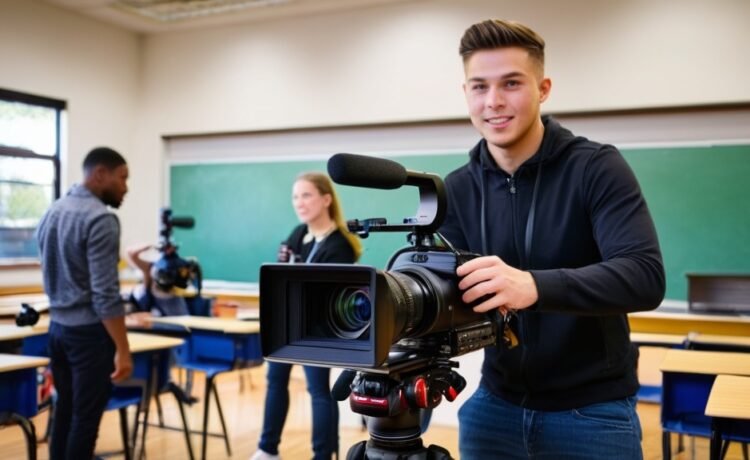
Capturing Individual Pupil Portraits: A Timeless Keepsake
We are all familiar with the rapid passage of time, how children seem to grow and change before our very eyes. From the wobbly first steps to the confident strides of adolescence, each stage of development is a precious and fleeting moment. As parents, educators, and community members, we are tasked with preserving these precious fragments of our children’s lives, and capturing individual pupil portraits is one of the most enduring and meaningful ways we can achieve this. More than just a photograph, a well-executed portrait serves as a visual narrative, a tangible artifact that encapsulates a child’s essence at a specific point in time, a time capsule of their youthful spirit.
The practice of creating visual representations of individuals has a long and storied history, dating back to ancient civilizations. From cave paintings to formal sittings with renowned artists, humanity has consistently sought to immortalize likenesses. In the context of education, individual pupil portraits have evolved from infrequent, formal occasions to a more accessible and integrated part of our school environments. They serve a dual purpose: as a record for the institution and as a deeply personal keepsake for families.
A Historical Perspective on Portraiture
Throughout history, portraiture has been employed for various reasons. Royal families commissioned portraits to solidify their lineage and authority. Wealthy patrons used them to display their status and achievements. In more recent centuries, the advent of photography democratized portraiture, making it accessible to a wider range of people. This accessibility is crucial for our contemporary understanding of pupil portraits, allowing for wider dissemination and greater personal connection.
The Evolution of School Photography
Early school photography often involved standardized, often stiff, poses. However, advancements in technology and a growing appreciation for individual expression have transformed the field. Today, we see a shift towards capturing personality and allowing children to express themselves naturally. This evolution is not merely aesthetic; it reflects a deeper understanding of the importance of individuality.
Portraits as Historical Archives
For educational institutions, a collection of individual pupil portraits forms an invaluable historical archive. These images can track the growth of student populations, the changing demographics of our communities, and even subtle shifts in fashion and culture over the decades. They provide a visual lineage, connecting past generations of students with those currently within our care.
For those interested in exploring the concept of individual pupil portraits further, a related article can be found on the School Shots blog. This article delves into the significance of personalized photography in educational settings and how it can enhance the overall school experience. To read more about this topic, visit School Shots Blog.
Practical Considerations in Capturing Portraits
The process of capturing individual pupil portraits requires careful planning and execution to ensure optimal results. It’s not simply a matter of pointing a camera; it involves understanding lighting, composition, and, most importantly, creating an environment where children feel comfortable and can present their authentic selves.
Choosing the Right Time and Setting
The timing of portrait sessions can significantly impact the outcome. We aim for periods when children are well-rested and not rushed, perhaps during a less demanding part of the academic year. The setting also plays a crucial role. Natural light, when available, is often preferable, creating a softer and more flattering illumination. We explore various locations within the school that offer a conducive atmosphere, avoiding overly distracting backgrounds that can detract from the subject.
Lighting Techniques for Effective Portraits
Understanding light is fundamental to good photography. We employ techniques that highlight facial features without creating harsh shadows. Whether it’s using the soft, diffused light from a window, strategically placed reflectors, or professional lighting equipment, the goal is to achieve a balanced and aesthetically pleasing illumination that brings out the best in each child.
Backgrounds and Props: Enhancing, Not Distracting
The background in a portrait should complement the subject, not compete with it. We select simple, uncluttered backgrounds that allow the child to be the focal point. Similarly, any props used should be chosen with intention, perhaps reflecting a child’s interests or the school’s environment, but always secondary to the individual themselves.
Technical Aspects: Camera Settings and Lenses
While a detailed technical discussion might be outside the scope of this overview, it’s important to acknowledge the role of technical expertise. Selecting the appropriate camera settings – aperture, shutter speed, and ISO – along with the correct lens, ensures sharp focus, ideal depth of field, and clarity. These elements work in concert to produce high-quality images.
The Psychological Impact on Pupils
Creating a welcoming and supportive environment is paramount when capturing portraits. Children, like all individuals, can be self-conscious. Our approach is designed to alleviate any potential anxiety and foster a sense of confidence, allowing their true personalities to shine through.
Building Rapport and Trust
Before the camera even comes out, we invest time in building rapport with the children. A simple conversation, a shared joke, or demonstrating genuine interest in them can go a long way in establishing trust. When a child feels comfortable and valued, their natural spontaneity emerges.
Encouraging Natural Expressions
The most compelling portraits are those that capture genuine emotion and personality. We actively encourage natural expressions by engaging children in conversation, asking them about their interests, and creating a relaxed atmosphere. We avoid forced smiles, aiming instead for authentic grins, thoughtful gazes, or engaged expressions that reflect their current mood and disposition.
Addressing Potential Self-Consciousness
We understand that some children may feel shy or self-conscious in front of a camera. Our photographers are trained to be patient and understanding, offering gentle guidance and positive reinforcement. We aim to make the experience fun and engaging, turning what could be a stressful situation into a positive interaction. The camera, in essence, becomes a mirror reflecting their inner world, rather than an interrogation device.
Beyond the Standard School Photo: Exploring Creative Approaches
While the traditional headshot has its place, we believe in exploring more creative avenues to capture the rich tapestry of individual personalities. These approaches can lead to more dynamic and evocative portraits, offering a deeper glimpse into the spirit of each pupil.
Environmental Portraits: Contextualizing the Child
Environmental portraits place the child within a setting that is meaningful to them. This could be their classroom, a favorite spot in the schoolyard, or even associated with their extracurricular activities. These portraits offer valuable context, illustrating their place within the school community and their engagement with their learning environment.
Thematic Portraits: Celebrating Individuality
We can also explore thematic portraiture, where the concept or theme is designed to highlight a student’s unique qualities, talents, or interests. This might involve incorporating elements related to their passions, whether it’s a budding artist with their artwork, a budding musician with their instrument, or an avid reader surrounded by their favorite books. These images become a celebration of their burgeoning identity.
Candid Shots: Unposed Moments of Authenticity
While formal portraits have their value, candid shots capture unposed moments of genuine interaction and emotion. These often reveal a spontaneous joy, a focused concentration, or a quiet reflection that might be missed in a more structured setting. They are like unexpected blossoms in a carefully tended garden, offering a natural beauty.
Collaborative Portraiture: Involving the Pupil in the Process
We believe in empowering pupils by involving them in the portraiture process. This could involve discussing their preferences for poses, backgrounds, or even the overall mood of the photograph. When pupils have a voice in their own representation, the resulting portraits are often more meaningful and resonant.
Individual pupil portraits play a crucial role in capturing the unique personalities and achievements of students, allowing schools to celebrate their diversity and growth. For those interested in exploring how these portraits can enhance school spirit and community engagement, a related article can be found at this link, which discusses the importance of showcasing individual student achievements through photography. By emphasizing each pupil’s journey, schools can foster a sense of belonging and pride among students and their families.
The Enduring Value of a Physical Keepsake
In an increasingly digital world, the tangible nature of a printed portrait holds a special significance. It is a physical artifact that can be held, displayed, and passed down through generations, becoming a cherished heirloom.
The Tactile Experience: Holding a Memory
There is a profound difference between viewing an image on a screen and holding a physical photograph. The tactile experience of touching a printed portrait connects us more deeply to the moment it represents. It is a physical anchor to a cherished memory, a touchstone of remembrance.
Displaying Memories: Enhancing Home and School Environments
Printed portraits serve as beautiful decorative elements for both homes and school environments. They bring warmth and personality to otherwise utilitarian spaces, reminding us of the vibrant individuals who are part of our lives and institutions. They are like windows into the soul of our community.
The Heirloom Factor: Passing Down a Legacy
A well-captured pupil portrait is more than just a photograph; it is a potential heirloom. As children grow into adults, these portraits become powerful reminders of their youth, their journey, and the enduring bonds of family and community. They are threads woven into the fabric of our collective history, passed from one generation to the next. They become silent storytellers, whispering tales of childhood to those who come after.
In conclusion, capturing individual pupil portraits is not merely a logistical necessity for schools or a fleeting photographic trend. It is a vital practice that enriches the lives of our children, strengthens our communities, and preserves invaluable memories for generations to come. By approaching this endeavor with thoughtful intention, technical skill, and a deep respect for the individual spirit, we create timeless keepsakes that will be treasured long after the school bells cease to ring.
FAQs
What are individual pupil portraits?
Individual pupil portraits are photographs or artistic representations that focus on a single student, capturing their facial features, expressions, and personality.
Why are individual pupil portraits taken?
They are typically taken for school records, yearbooks, or personal keepsakes, helping to document a student’s appearance at a particular stage in their education.
At what age are individual pupil portraits usually taken?
These portraits are commonly taken throughout a student’s school years, often annually, starting from early primary school through to secondary education.
Who usually takes individual pupil portraits?
Professional photographers hired by the school or trained school staff typically take these portraits to ensure consistent quality and style.
How are individual pupil portraits used by schools?
Schools use these portraits for identification purposes, inclusion in yearbooks, school websites, and sometimes for promotional materials or student records.

Capturing Memories: The Art of Class Photo Photography
We embark on a journey into the intricate world of class photo photography, a seemingly straightforward yet deeply complex practice that transcends mere documentation. We will explore its historical evolution, its technical challenges, and its profound sociological implications. This article endeavors to provide a comprehensive overview, grounded in historical fact and practical application, for anyone seeking to understand or engage with this pervasive photographic genre.
The class photograph, as we know it today, did not emerge fully formed. Rather, it is the product of technological advancements and evolving educational paradigms. We can trace its lineage back to the nascent days of photography itself, a period characterized by experimentation and limited accessibility.
Early Daguerreotypes and the Dawn of Group Portraits
In the mid-19th century, the daguerreotype, a pioneering photographic process, offered individuals the first opportunity to capture their likenesses. While individual portraits predominated, we also find examples of small group compositions emerging. These early photographs, often stiff and formal due to the long exposure times required, laid the groundwork for what would eventually become the class photo. Imagine, if you will, a group of stern-faced scholars, frozen in time, their gazes fixed on a distant point, each an island in an unyielding sea of stillness.
The Rise of Albumen Prints and Increased Accessibility
The advent of albumen prints and the carte-de-visite in the latter half of the 19th century revolutionized photographic accessibility. These more affordable and easily reproducible formats made photography a viable medium for commemorating group gatherings, including those within educational institutions. We observe a proliferation of school portraits during this era, often featuring students and teachers meticulously arranged in front of their school buildings. These images, frequently sepia-toned, offer us a window into a bygone era of education, where formal attire and rigid poses were the norm.
The 20th Century and the Standardization of the Class Photo
The 20th century witnessed the standardization of the class photo into the recognizable format we are familiar with today. The development of roll film cameras and the increasing commercialization of photography played pivotal roles. We find photographers traveling to schools, setting up temporary studios, and efficiently capturing large groups. The familiar tiered arrangements, with teachers seated prominently and students lining up in rows, became ubiquitous. This period marks the transformation of the class photo from a novel undertaking into an expected annual ritual, a visual marker of temporal progress and collective achievement. We see it as a cultural touchstone, a collective memory embedded in paper.
Class photo photography captures the essence of school memories, bringing together students and teachers in a single frame. For those interested in exploring more about this art form and its impact on school culture, you can check out a related article that delves into various styles and techniques used in class photography. This article provides insights on how to create lasting memories through effective composition and lighting. To learn more, visit this link.
Technical Considerations in Class Photo Photography
The technical demands of class photo photography are often underestimated. We are not merely pointing and clicking; rather, we are orchestrating a complex interplay of light, composition, and human dynamics. Neglecting these considerations can result in a photograph that fails to truly “capture” the moment.
Mastering Lighting for Uniform Exposure
Achieving uniform exposure across a large group is paramount. We encounter a spectrum of challenges, from varying skin tones to disparities in clothing colors. Natural light, while often beautiful, can be unpredictable. We meticulously assess the ambient light, seeking open shade or diffused sunlight to minimize harsh shadows and hot spots. In situations where natural light is insufficient or inconsistent, we deploy artificial lighting, carefully positioned to illuminate each individual equally. We are, in essence, painters of light, using our tools to sculpt evenness from chaos.
Compositional Strategies for Large Groups
Composing a visually appealing class photo requires careful planning. We consider the arrangement of individuals to ensure everyone is visible and no one is obscured. The classic tiered formation, with shorter students in front and taller individuals in the back, serves a practical purpose: it maximizes visibility. We also pay attention to negative space, ensuring the background doesn’t distract from the subjects. Our goal is to create a harmonious visual balance, where each element contributes to the overall aesthetic without overwhelming the others. We strive for a compositional integrity that speaks of order and intentionality.
Focus and Depth of Field Management
Maintaining sharp focus across an entire group, particularly in modern high-resolution photographs, is a critical technical hurdle. We employ smaller apertures (higher f-numbers) to increase the depth of field, ensuring that both the front and back rows of students remain in crisp focus. However, this often necessitates slower shutter speeds, which can introduce motion blur if subjects are not still. We find ourselves in a delicate balancing act, prioritizing sharpness while mitigating the risk of blur. This requires a keen understanding of photographic principles and a swift decision-making process.
Ensuring Expression and Engagement
Beyond technical proficiency, we strive to elicit genuine expressions and engagement from our subjects. A class photo should not merely be a collection of faces; it should reflect the collective spirit of the group. We employ various techniques to achieve this, from lighthearted banter to clear directives. We understand that prolonged posing can lead to stiffness, so we work efficiently and encourage natural smiles rather than forced ones. Our aim is to capture a moment of shared camaraderie, a fleeting but authentic representation of the group’s dynamic.
The Pedagogical and Sociological Significance
The class photograph is more than a mere keepsake; it serves profound pedagogical and sociological functions. We believe it acts as a visual anchor, connecting individuals to their past and to the collective experiences of their schooling.
Documenting Educational Milestones
From kindergarten graduations to senior year portraits, class photos chronologically document the educational journey of individuals. We see them as visual bookmarks, marking the passage of time and the attainment of various academic milestones. These photographs provide tangible proof of progress, offering a retrospective view of growth and development over years. They become a historical record, not just of individuals, but of an institution’s enduring legacy.
Fostering a Sense of Community and Belonging
The act of taking a class photograph itself can foster a sense of community. Students gather together, often in playful anticipation, solidifying their shared identity as a class. The resulting image serves as a powerful symbol of their collective experience and belonging within the school environment. We observe how these photographs, often displayed in hallways or yearbooks, reinforce the idea of a shared journey, strengthening the bonds of peer groups. They are a visual affirmation of their place within a larger social structure, a testament to their shared time and space.
Archiving and Preserving Institutional Memory
For educational institutions, class photographs are invaluable archival resources. We utilize them to track the history of the school, document changes in student demographics, and remember past educators and administrators. They form a visual lexicon of the school’s trajectory, offering insight into its evolution over decades or even centuries. Think of them as a historical database, meticulously curated, preserving the faces and stories of generations. This visual history is a cornerstone of institutional memory, grounding the present in a tangible past.
A Mirror to Societal Change
Class photographs can also serve as a fascinating mirror to broader societal changes. We can analyze fashion trends, hairstyles, and even expressions to glean insights into the cultural norms of different eras. Changes in racial and gender diversity within class photos offer a tangible representation of evolving societal demographics and inclusivity. These images, in their aggregate, become a powerful sociological dataset, allowing us to observe the currents of change flowing through our educational systems and, by extension, our societies. They offer a concrete, visual narrative of historical shifts.
The Class Photo in the Digital Age
The advent of digital photography and the internet has profoundly impacted the creation, dissemination, and preservation of class photographs. We find ourselves navigating a landscape transformed by technological innovation.
The Rise of Digital Capture and Instant Gratification
Digital cameras have streamlined the class photo process, offering instant feedback and eliminating the need for film development. This allows photographers to review images on the spot and make immediate adjustments, ensuring optimal results. We appreciate the efficiency this brings, reducing the turnaround time for schools and families. The ability to instantly see the captured moment has fundamentally altered the workflow, allowing for greater precision and less logistical overhead.
Online Galleries and Wider Dissemination
Online galleries have become the primary method for viewing and ordering class photographs. This eliminates the need for physical proofs and allows families to easily share images with extended relatives, regardless of geographical location. We recognize the convenience this offers, democratizing access to these visual records. The reach of a single class photo has expanded exponentially, no longer confined to the physical album but accessible across networks and continents.
The Challenge of Digital Preservation
While digital formats offer convenience, they also present unique preservation challenges. We grapple with the fragility of digital files, the potential for data loss, and the ever-evolving nature of file formats and storage technologies. Unlike a physical print, a digital file requires active management to ensure its longevity. We advocate for robust archiving strategies, including cloud storage and redundant backups, to safeguard these invaluable visual records for future generations. The digital realm, while offering unparalleled access, also demands a vigilance that was less critical in the era of tangible prints.
Ethical Considerations in a Connected World
The widespread sharing of digital class photos on social media platforms raises important ethical considerations regarding privacy and consent. We must be particularly vigilant about obtaining appropriate permissions for photo distribution and ensuring that images are used responsibly. The ease of sharing must be balanced with a deep respect for individual autonomy and the potential for misuse. We find ourselves at the intersection of technological capability and ethical responsibility, navigating a complex terrain where the welfare of our subjects is paramount.
Class photo photography captures the essence of school memories, providing a lasting keepsake for students and families alike. For those looking to explore more about the importance of these photographs and how they can be creatively approached, a related article can be found here: Class Photo Tips. This resource offers valuable insights into making the most of your class photo sessions, ensuring that every smile and moment is beautifully preserved.
The Future of Class Photo Photography
As we look ahead, we anticipate continued evolution in the field of class photo photography. Technological advancements and changing cultural expectations will undoubtedly shape its future trajectory.
Augmented Reality and Interactive Experiences
Imagine a future where class photos are not static images, but interactive experiences. We envision augmented reality (AR) overlays that bring images to life, perhaps linking to student profiles, videos of class activities, or even 3D models of school projects. This would transform a passive viewing experience into an engaging, multi-layered interaction, creating a richer tapestry of memories. We see the potential for a new dimension of storytelling, where the photograph acts as a portal rather than a conclusion.
Personalized and Customizable Class Photos
The trend towards personalization is likely to influence class photo offerings. We foresee options for individual students to customize aspects of their photos, perhaps choosing different backgrounds or even incorporating personal digital elements. This could move beyond the standardized group shot to offer more bespoke and individualistic representations within the collective framework. The future may hold a balance between the uniformity of the group and the celebration of individual expression.
The Enduring Value of the Physical Print
Despite the prevalence of digital media, we believe the physical class photo will retain its enduring value. There is an intrinsic tactile and sentimental quality to a printed photograph that a digital file cannot fully replicate. The act of holding a physical print, turning its pages, and sharing it with loved ones continues to hold a unique charm. We anticipate a continued demand for high-quality prints and professional albums, reflecting a desire to ground digital memories in a tangible form. The physical artifact, in an increasingly digital world, may become even more treasured for its unique ability to connect us to the past in a concrete way.
In conclusion, we have traversed the landscape of class photo photography, from its humble beginnings to its present complexities and future possibilities. We acknowledge its historical significance, its technical intricacies, and its profound impact on individuals and institutions. We understand that what appears to be a simple photograph is, in fact, a rich tapestry woven from history, technology, sociology, and human emotion. We hope this exploration has illuminated the multifaceted nature of this ubiquitous yet often overlooked photographic genre, encouraging a deeper appreciation for its enduring power to capture memories and preserve legacies. We recognize its continued relevance as a societal touchstone, reflecting our shared journey through the corridors of learning and life.
FAQs
What is class photo photography?
Class photo photography is the practice of taking group photographs of students and teachers in a school or educational setting, typically arranged by class or grade level.
When is the best time to schedule a class photo session?
Class photo sessions are usually scheduled during the school year, often in the early fall or spring, to capture students in their current grade and ensure good lighting conditions.
What equipment is commonly used in class photo photography?
Photographers typically use DSLR or mirrorless cameras with wide-angle lenses, tripods, and external lighting or reflectors to ensure clear, well-lit images of large groups.
How are students typically arranged in class photos?
Students are usually arranged in rows, with taller individuals standing at the back and shorter ones seated or kneeling in front, to ensure everyone is visible in the photograph.
What are some tips for getting the best class photo?
To get the best class photo, ensure good lighting, use a high-quality camera, arrange students neatly, encourage natural expressions, and take multiple shots to choose the best one.
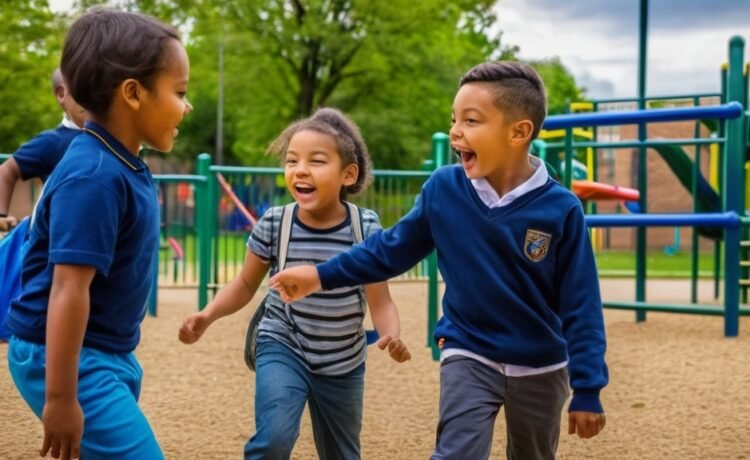
Capturing Memories: Professional School Photographer in the UK
We, as observers of the intricate tapestry of human experience, delve into the critical role of professional school photographers in the UK. We explore their multifaceted contributions, acknowledging their position not merely as purveyors of images, but as custodians of fleeting moments and architects of institutional narrative. This article aims to dismantle common misconceptions and illuminate the nuanced complexities inherent in this specialized field, presenting a comprehensive overview for those seeking to understand its impact and methodology.
We acknowledge that the act of immortalizing a child’s school years is not a novel concept, but its professionalization and technological advancements have dramatically reshaped its landscape. Our journey begins with a brief historical reconnaissance, tracing the trajectory of school photography from its rudimentary beginnings to its sophisticated present.
Early Iterations: The Daguerreotype and Wet Collodion Processes
In the nascent stages of photography, we find the Daguerreotype and wet collodion processes dictating the parameters of image capture. These early methods, characterized by their lengthy exposure times and intricate chemical procedures, rendered large-scale school photography impractical. Imagine, if you will, a child attempting to remain perfectly still for several minutes, a challenge even for the most stoic adult. Thus, our first school photographs were often individualized portraits, reserved for children of affluent families, bearing the hallmarks of their era’s technological constraints. The concept of a group photograph, a symbolic representation of collective identity, remained a distant ambition.
The Advent of Dry Plates and Roll Film: Democratising the Image
The late 19th and early 20th centuries witnessed a pivotal shift with the introduction of dry plates and, subsequently, roll film. These innovations, we observe, significantly reduced exposure times and simplified the photographic process. This technological leap was akin to a dam breaking, allowing a torrent of possibilities to flood the photographic landscape. Suddenly, school photography became more accessible, paving the way for the iconic class photographs we recognise today. The logistical hurdles diminished, and the cost of production decreased, democratising the visual record of education.
Post-War Expansion and Commercialisation: The Rise of the Professional
Following the two World Wars, we note a significant expansion in the demand for professional services across various sectors, including photography. The post-war economic boom and the increasing emphasis on formal education fostered fertile ground for the growth of professional school photography. Companies began to specialise, developing efficient workflows and marketing strategies tailored to the educational environment. We see this period as the crucible in which the modern school photography industry was forged, moving from a sporadic service to a standardized annual event.
The Digital Revolution: A Paradigm Shift
The late 20th and early 21st centuries, we observe, ushered in the digital revolution, a tectonic shift that fundamentally altered the landscape of photography. Film cameras, once the workhorses of the industry, gradually ceded their dominance to digital single-lens reflex (DSLR) and mirrorless cameras. This transition, for us, was not merely an upgrade; it was a complete re-imagining of the photographic process. Instant feedback, reduced material costs, and enhanced editing capabilities became the new norm, allowing for greater efficiency and creative control. We recognise this period as both a challenge and an opportunity, forcing established photographers to adapt or risk obsolescence.
For those interested in exploring the captivating work of a professional school photographer in the UK, you can check out a related article that showcases a stunning portfolio of school photography. This article highlights the creativity and expertise involved in capturing memorable moments for students and their families. To view the portfolio, visit this link for an inspiring collection of images that demonstrate the artistry and professionalism of school photography.
The Professional School Photographer’s Remit: Beyond the Shutter Click
We understand that the professional school photographer’s role extends far beyond the simple act of pressing a shutter button. Their work is a complex interplay of technical proficiency, pedagogical understanding, and astute logistical planning. We dissect these various facets, illustrating the breadth of their responsibilities.
Safeguarding and Child Protection: The Foremost Priority
For us, the paramount concern in any educational setting is the safety and well-being of the children. Professional school photographers in the UK operate under stringent safeguarding regulations, a legal and ethical framework designed to protect vulnerable individuals. We acknowledge that every photographer working within a school environment must undergo a Disclosure and Barring Service (DBS) check, a non-negotiable prerequisite. This deep background verification acts as a gatekeeper, ensuring that individuals with a history of misconduct are excluded from positions of trust. Furthermore, we recognise the importance of adherence to school-specific safeguarding policies, which often dictate protocols for interaction with children, supervision requirements, and image usage consent. Consent, we stress, is not merely a formality; it is the bedrock upon which ethical school photography is built. Parents, guardians, and the school itself must provide explicit permission for a child’s image to be captured and distributed, aligning with the principles of the General Data Protection Regulation (GDPR).
Technical Acumen: Mastering Light, Composition, and Equipment
We consider technical acumen as the bedrock of any successful photographer, and this holds particularly true in the dynamic environment of a school. Manipulating natural light, or augmenting it with artificial sources, is an art form. We observe photographers adeptly repositioning students to harness the soft glow of a classroom window or strategically deploying portable lighting rigs to illuminate a dimly lit hall. Composition, the careful arrangement of elements within the frame, is another critical skill. From arranging a large cohort for a panoramic group shot to capturing the nuances of an individual portrait, the photographer must possess a keen eye for aesthetics and balance. Furthermore, we recognise that a professional outfit relies on high-quality equipment: robust cameras capable of quick bursts and sharp focus, a range of lenses to accommodate various scenarios (from wide-angle group shots to tighter portraits), and portable backdrops and lighting kits that can be swiftly deployed and dismantled.
Logistics and Planning: Orchestrating the Session
The logistical ballet of a school photography session is often underestimated. We see the photographer as a temporary conductor, orchestrating the movement of hundreds, sometimes thousands, of children and staff. This involves meticulous pre-session planning: coordinating with school administration to establish a timetable that minimises disruption to lessons, identifying suitable locations within the school premises that offer good lighting and adequate space, and preparing all necessary equipment. On the day itself, we observe the photographer and their team meticulously managing queues, directing children efficiently, and ensuring each student is presented in their best light. This can involve adjusting clothing, hair, or even a shy smile, all within a tightly scheduled timeframe.
Post-Production and Delivery: From Raw File to Finished Product
The work does not conclude with the final shutter click. We understand that the post-production phase is equally crucial, often consuming as much, if not more, time than the actual shoot. This involves a multi-stage process: culling, where hundreds of raw images are meticulously reviewed to select the best shots; editing, which encompasses colour correction, exposure adjustment, minor retouching (such as removing stray hairs or blemishes in a non-invasive manner), and cropping to enhance composition; and finally, packaging and delivery. The end product can range from traditional print packages to digital downloads, photo merchandise, and professionally designed yearbooks. We acknowledge that the efficiency and quality control throughout this entire workflow directly impact customer satisfaction.
Ethical Considerations and Data Protection
We, as guardians of information, understand the critical importance of ethical practices and robust data protection in the realm of school photography. The images captured are not mere pixels; they are intimate representations of individuals, and their handling demands utmost care and adherence to legal frameworks.
GDPR Compliance: The Cornerstone of Data Protection
The General Data Protection Regulation (GDPR) stands as a formidable legal framework governing the collection, processing, and storage of personal data within the European Union and, by extension, the UK. We emphasise that professional school photographers are not exempt from its rigorous provisions. For us, GDPR compliance is not merely a box-ticking exercise; it is an intrinsic part of the ethical fabric of their operation. This necessitates transparency with parents and guardians regarding how their child’s image and associated data (such as name, class, and year group) will be collected, stored, and used. Explicit consent, as mentioned earlier, is paramount, and it must be freely given, specific, informed, and unambiguous. We observe that reputable photography companies often provide detailed privacy policies outlining data retention periods, security measures, and individuals’ rights to access, rectify, or erase their data.
Image Usage and Licensing: Defining the Boundaries
The question of image usage extends beyond initial capture. We recognise that the licensing terms and conditions associated with school photographs are crucial for clarity and preventing misuse. Typically, the photographer retains the copyright to the images, but parents purchase a license for personal use. This means they can print, share, and display the photos for non-commercial purposes. However, the commercial use of these images, such as for advertising or resale by third parties, is generally restricted without explicit consent from the copyright holder and, crucially, the subjects depicted. We also consider the school’s own usage rights. Schools often require a license to use select images for promotional materials, websites, or yearbooks. These agreements must be clearly defined and mutually understood, ensuring that the images are utilised in a manner consistent with their original purpose and with respect for the individuals portrayed.
Retention Policies and Secure Storage: Guardianship of Digital Assets
In the digital age, the sheer volume of images captured by school photographers necessitates robust retention policies and secure storage solutions. We understand that images, particularly those of children, are sensitive data. Therefore, professional photographers must implement stringent security measures to protect these digital assets from unauthorised access, data breaches, or accidental loss. This typically involves encrypted servers, secure cloud storage, and regular data backups. Furthermore, we expect clear policies regarding data retention – how long images are stored and when they are eventually purged. This balances the need for parents to reorder old photographs with the ethical imperative to not indefinitely retain personal data. The principle of ‘storage limitation’ under GDPR dictates that personal data should not be kept for longer than is necessary for the purposes for which it was processed.
The Impact and Value Proposition
We contend that the professional school photographer offers a value proposition far exceeding the transactional cost of prints. Their work serves as a multifaceted anchor, knitting together individual stories, institutional history, and the emotional resonance of childhood.
Preserving Childhood Memories: A Tangible Link to the Past
For individual families, we see school photographs as invaluable repositories of memory. They are tangible anchors to a fleeting past, allowing parents to witness their children’s growth, track their academic journey, and relive the innocence of bygone years. These images become historical documents for the family, charting a child’s progression from a fresh-faced reception student to a confident senior. We often hear anecdotes of adults revisiting their own school photographs, a nostalgic journey back to youthful aspirations and formative experiences. In this sense, the photographer acts as a temporal cartographer, mapping the passage of time through visual records.
Fostering Community and Identity: Visualising the Collective
Beyond individual recollections, we recognise that school photographs play a crucial role in fostering a sense of community and collective identity within educational institutions. The ubiquitous class photograph, with its neatly arranged rows of smiling faces, acts as a visual representation of shared experience. It embodies the cohort, the shared triumphs, and the challenges faced together. These images, often displayed in school hallways or yearbooks, contribute to the school’s historical narrative, acknowledging the generations who have passed through its doors. They are a visual affirmation of belonging, a testament to the collective journey of learning and growth undertaken within the school’s walls. We see these photographs as an enduring record of the school’s legacy, a mosaic of all the individuals who have contributed to its vibrant tapestry.
Supporting School Fundraising and Branding: A Mutually Beneficial Relationship
We observe that school photography often forms a mutually beneficial relationship with educational institutions, particularly in terms of fundraising and branding. Many photography companies offer commission-based schemes, where a percentage of the sales generated from photographs is returned to the school. This financial injection can be vital for schools, helping to fund extracurricular activities, equipment upgrades, or educational trips. Beyond direct financial contributions, professional photographs contribute significantly to a school’s branding and public image. High-quality, engaging images on websites, prospectuses, and social media platforms can attract prospective students and parents, portraying the school as a vibrant, nurturing, and professional environment. Flattering and well-executed images, we contend, are powerful marketing tools, reflecting the school’s dedication to excellence and its commitment to providing a positive educational experience.
If you’re interested in learning more about the role of a professional school photographer in the UK, you might find this insightful article about the dedicated team behind the lens quite enlightening. It highlights the importance of capturing those precious school moments and the expertise that goes into creating lasting memories. You can read more about it in this related article.
The Future of School Photography: Adapting and Innovating
We anticipate that the landscape of school photography, like all technological and social spheres, will continue to evolve. We look towards the horizon, identifying emerging trends and potential adaptations that will shape its future trajectory.
Personalisation and Customisation: Beyond the Standard Package
The future, we believe, lies in an increasingly personalised and customised approach. While traditional print packages will likely endure, there will be a growing demand for options that cater to individual preferences. We foresee greater integration of digital platforms offering parents more extensive choices: a wider selection of poses, backgrounds, and print formats. Imagine, if you will, the ability to select specific images for a digital yearbook, or even to virtually “try on” different products before purchasing. We also anticipate a rise in bespoke photography services, perhaps focusing on niche events or offering more candid, photojournalistic styles alongside the traditional portrait. The move towards personalised products, such as photo books featuring a child’s entire school journey or custom-designed merchandise, will likely gain traction.
Integration of Technology: AI, Virtual Reality, and Enhanced Workflows
We expect technology to continue its transformative influence on school photography. Artificial intelligence (AI), for instance, may play a crucial role in streamlining post-production processes, from automated culling of redundant images to subtle retouching and colour correction. We envision AI-powered tools assisting photographers in managing large volumes of data and enhancing efficiency. Virtual reality (VR) and augmented reality (AR) technologies, while perhaps further down the line, could offer innovative ways for parents to preview products or even experience a virtual tour of their child’s school year through interactive photographic albums. Furthermore, we foresee enhanced online platforms for ordering, payment, and digital delivery, making the entire process more seamless and user-friendly for both schools and parents.
Sustainable Practices and Ethical Sourcing: A Conscientious Approach
As societal awareness of environmental and ethical concerns grows, we anticipate a greater emphasis on sustainable practices within the school photography industry. This could involve the use of environmentally friendly printing materials, recyclable packaging, and a reduction in carbon footprint throughout the supply chain. We also expect a focus on ethical sourcing of materials and fair labour practices within the broader photographic industry. Photography companies that demonstrate a strong commitment to environmental and social responsibility will likely gain a competitive advantage, aligning with the values of many parents and educational institutions. This move towards a more conscientious approach, we believe, is not merely a trend but a fundamental shift in how businesses operate.
In conclusion, we recognise the indispensable role played by professional school photographers in the UK. They are the artists and archivists who capture the fleeting beauty of childhood, the growth of individuals, and the collective spirit of educational institutions. Their work, though seemingly simple on the surface, is a sophisticated blend of technical mastery, logistical prowess, and unwavering ethical commitment. As we navigate an ever-evolving world, we remain confident that the professional school photographer will continue to adapt, innovate, and, most importantly, continue to capture those invaluable memories that form the very fabric of our lives.
FAQs
What services does a professional school photographer in the UK typically offer?
Professional school photographers in the UK usually provide individual student portraits, class group photos, staff photos, and event photography. They may also offer packages that include prints, digital images, and online galleries for parents to view and purchase photos.
How do schools in the UK usually schedule photography sessions with professional photographers?
Schools typically coordinate with professional photographers to schedule sessions during the academic year, often in the autumn term. The photographer visits the school on a pre-arranged date, and students are photographed either individually or in groups during school hours.
Are professional school photographers in the UK required to have any specific qualifications or certifications?
While there is no mandatory certification for school photographers in the UK, reputable professionals often have experience in portrait photography and may hold memberships in professional photography organizations. They also adhere to safeguarding policies and data protection regulations when working with children.
How do professional school photographers in the UK ensure the privacy and safety of students?
Professional school photographers follow strict safeguarding guidelines, including obtaining parental consent before photographing children, ensuring images are stored securely, and complying with the UK’s Data Protection Act and GDPR. They work closely with schools to maintain a safe environment during photo sessions.
What factors influence the cost of hiring a professional school photographer in the UK?
The cost can depend on the photographer’s experience, the number of students to be photographed, the types of photos required (individual, group, event), the number of prints or digital copies included, and any additional services such as retouching or online galleries. Schools often negotiate packages to fit their budget and needs.

Capturing Memories: School Photography & Video Services
As parents and educators, we understand the profound importance of preserving the fleeting moments of childhood and adolescence. School photography and video services act as our collective custodians of these invaluable memories, providing a tangible link to the past and a rich tapestry of our children’s growth. These services, often undertaken by professional studios or specialized companies, go beyond simple snapshots. They are instruments for documenting academic achievements, extracurricular triumphs, and the everyday experiences that shape young lives.
The Purpose and Scope of School Photography
The primary function of school photography services is to create a permanent record of each student’s time within an educational institution. This encompasses individual portraits, which serve as iconic representations of students at various stages of their development, and group photographs, which capture the camaraderie and shared experiences of classmates, sports teams, and clubs. These images often find their way into yearbooks, school websites, student identification cards, and family albums, becoming treasured touchstones for years to come.
Individual Student Portraits
The cornerstone of school photography is the individual student portrait. These sessions are meticulously planned to ensure consistency and quality across the student body. Photographers employ controlled lighting and consistent backdrops to produce headshots and upper-body poses. The emphasis is on capturing a clear and pleasant likeness, allowing for easy identification and personal connection.
Standard Portrait Packages
Most services offer a range of portrait packages, typically including various print sizes, digital copies, and sometimes inclusion in the yearbook. Parents can select packages that best suit their needs, from a single print for a wallet to larger prints for framing.
Retouching and Customization Options
While maintaining a natural appearance is generally prioritized, many services offer subtle retouching options, such as blemish removal or minor adjustments to hair. Some also provide limited customization, allowing parents to choose from different backgrounds or poses for an additional fee.
Group and Activity Photography
Beyond individual portraits, school photography services extend to capturing the collective spirit of the school. This includes class photos, club gatherings, sports teams in action, and special event documentation. These visual narratives showcase the collaborative environment and diverse interests that enrich the school experience.
Class Photographs
The traditional class photo serves as a snapshot of a specific academic cohort. These often involve careful arrangement of students to ensure everyone is visible and that the composition is visually appealing.
Sports and Extracurricular Team Photography
Capturing the dynamism of sports and the focused dedication of extracurricular activities is a specialized area. Photographers aim to freeze moments of action, celebration, and teamwork, highlighting the passion and effort invested by students.
Event Photography
From prom nights and award ceremonies to school plays and community gatherings, professional photographers document these significant events. Their presence ensures that the atmosphere and key moments are preserved, providing a visual chronicle of school life.
The Evolution of School Video Services
The integration of video services into school offerings represents a significant advancement in memory preservation. While photography captures static moments, video brings these experiences to life, adding the dimensions of movement, sound, and emotion. This technology allows for more immersive and dynamic storytelling, offering a richer way to remember school days.
Documenting School Life Through Video
School video services can range from short promotional clips to comprehensive documentaries of the academic year. These productions act as living archives, allowing future generations to witness the vibrancy and evolution of their alma mater.
Promotional and Informational Videos
Schools often commission video services for marketing purposes, showcasing their facilities, programs, and student achievements to prospective families. These videos provide a compelling overview of what the school has to offer.
Year-End Review and Documentary Films
A popular application of school video services is the creation of year-end review films. These montages, often set to music, highlight key events, student successes, and daily life, offering a nostalgic look back at the past academic year.
Performance and Event Recording
The recording of school plays, musical performances, concerts, and graduation ceremonies is a vital service. This allows students and their families to relive these important milestones and performances, often for years to come.
The Technical Aspects of School Video Production
Creating high-quality school videos involves a range of technical expertise, from sophisticated filming techniques to professional editing and post-production. The goal is to translate the essence of school life into a compelling visual narrative.
Filming Techniques and Equipment
Professional video crews utilize a variety of cameras, lighting, and audio equipment to capture crisp visuals and clear sound. Techniques such as varied camera angles, slow-motion, and time-lapse can be employed to enhance the storytelling.
Editing and Post-Production
The post-production process is where raw footage transforms into a polished video. This involves selecting the best shots, arranging them chronologically or thematically, adding music, graphics, and voice-overs. The editing suite is where the narrative truly takes shape.
Distribution and Archiving
Once produced, videos need to be distributed effectively. This can include streaming online, providing physical copies on DVDs or USB drives, or incorporating them into the school’s digital archives. Ensuring easy access for students, parents, and alumni is crucial.
Building a Lasting Relationship: Working with Photography and Video Providers
The selection and management of school photography and video service providers require careful consideration. Building a positive and productive working relationship is key to ensuring high-quality results and a smooth operational experience.
The Selection Process
Choosing the right provider is like selecting a skilled architect for a custom home; you want someone who understands your vision and can execute it with precision. The process often involves reviewing portfolios, obtaining quotes, and checking references.
Evaluating Portfolios and Sample Work
Prospective providers should be able to showcase a diverse portfolio demonstrating their capabilities in capturing student portraits, group shots, and event coverage. For video, sample reels of their productions are essential.
Understanding Service Contracts and Packages
Thoroughly understanding service contracts, including pricing, delivery timelines, copyright agreements, and any hidden fees, is critical. Parents and school administrators need clarity on what is included in each package.
Gathering Feedback and Testimonials
Seeking testimonials or references from other schools or parent groups that have utilized the service can provide invaluable insights into their reliability, professionalism, and the quality of their final products.
Collaboration and Communication
Effective communication and collaboration are the lifeblood of a successful partnership. Open dialogue ensures that expectations are met and any concerns are addressed promptly.
Pre-Session Planning and Briefing
Before picture day or a video shoot, clear communication about schedules, desired shots, and any specific requirements is essential. A well-briefed photographer or videographer is better equipped to deliver desired outcomes.
Feedback Mechanisms and Quality Control
Establishing clear feedback mechanisms allows for adjustments during or after the process. Quality control measures, such as reviewing proofs or sample edits, help ensure client satisfaction.
Handling Inquiries and Customer Service
Responsive and efficient customer service is paramount, especially when dealing with individual parent inquiries regarding orders or specific requests.
The Impact on Student Identity and School Cohesion
School photography and video services are not merely about capturing images; they contribute to the formation of student identity and foster a sense of belonging within the school community. These visual records serve as mirrors, reflecting individual journeys and collective experiences.
Visual Narratives of Growth and Achievement
The progression of student portraits from year to year visually charts individual growth, showcasing physical and developmental changes. These images become a silent testament to their journey through the formative years of schooling.
Documenting Academic and Personal Milestones
Photographs and videos often capture special academic achievements, award ceremonies, and graduations, marking significant milestones in a student’s educational career. These become treasured reminders of their accomplishments.
Portraying the School’s Culture and Values
The collective imagery produced by these services can encapsulate the unique culture and values of a school. Group photos, event coverage, and even promotional videos can project an image of community, diversity, and shared purpose.
Strengthening the Sense of Community
Shared visual records can foster a stronger sense of community among students, staff, and alumni. Seeing familiar faces and shared experiences in photographs and videos reinforces connections and a sense of belonging.
Creating Lasting Memories for Families
For families, school photographs and videos are invaluable heirlooms. They provide a tangible connection to their child’s school years, allowing them to reminisce and share these memories with future generations.
Alumni Engagement and School Pride
Alumni often look back fondly on their school days, and access to archived photographs and videos can reawaken a sense of school pride and connection. This visual heritage can be a powerful tool for engaging past students with their alma mater.
Modern Innovations and Future Trends
The field of school photography and video services is constantly evolving, driven by technological advancements and changing consumer expectations. Embracing these innovations ensures that schools can leverage the latest tools for memory capture.
Digital Integration and Accessibility
The shift towards digital platforms has revolutionized how school photography and video services are delivered and accessed. Online galleries and digital delivery have become standard.
Online Ordering and Viewing Platforms
Most modern providers offer secure online platforms where parents can view proofs, place orders, and access digital downloads of their children’s photos. This offers convenience and flexibility.
Social Media Integration and Sharing
The ability to easily share selected images or video clips on social media allows families to celebrate their children’s school experiences with a wider network, fostering a sense of shared pride.
Leveraging New Technologies
Emerging technologies are opening up new possibilities for how school memories are captured and presented. Drones for aerial shots, advanced editing software, and virtual reality are just a few examples.
Advanced Photography Techniques
Techniques such as drone photography for school panoramas or more sophisticated lighting setups can elevate the quality and aesthetic of school imagery.
Interactive Video Content
The future may see more interactive video content, allowing viewers to navigate through different scenes or access supplementary information, creating a more engaging experience.
Sustainability and Ethical Considerations
As technology advances, so too do considerations around data privacy, sustainability, and ethical practices in photography and video services.
Data Privacy and Security
Ensuring the secure storage and ethical use of student data and images is paramount. Providers must adhere to strict privacy regulations.
Environmentally Conscious Practices
Some providers are adopting more environmentally conscious practices, such as using eco-friendly printing materials or reducing waste in their operations.
Conclusion: The Enduring Value of Preserving School Memories
School photography and video services are more than just a business; they are an integral part of the educational ecosystem. They act as the silent storytellers of our children’s growth, the visual chroniclers of their triumphs and challenges, and the guardians of memories that will be cherished for a lifetime. By investing in these services, we are not just purchasing pictures or videos; we are investing in the permanent preservation of invaluable human experiences. These visual artifacts are the threads that weave together the fabric of our collective past, connecting generations and reminding us of the profound journey of learning and development that takes place within the walls of our schools. As these services continue to innovate and adapt, their core mission remains unchanged: to capture the essence of those fleeting, formative years, ensuring that the memories we forge today become cherished legacies for tomorrow.
FAQs
What types of photography services are typically offered in school photography?
School photography services usually include individual student portraits, class photos, staff photos, and event photography such as sports days, graduations, and school plays.
When are school photography sessions usually scheduled?
School photography sessions are often scheduled during the academic year, commonly in the early months such as September or October, to capture students at the start of the school year.
Are parents required to purchase school photographs?
No, parents are not required to purchase school photographs. Schools typically provide proofs or sample images, and parents can choose whether or not to buy prints or digital copies.
What video services are commonly provided by school photography companies?
Video services may include recording school events, promotional videos for the school, graduation ceremonies, and highlight reels of sports or extracurricular activities.
How is student privacy protected during school photography and video sessions?
Schools and photography companies follow privacy policies and obtain necessary permissions from parents or guardians before photographing or filming students. Images and videos are handled securely and used only for authorized purposes.
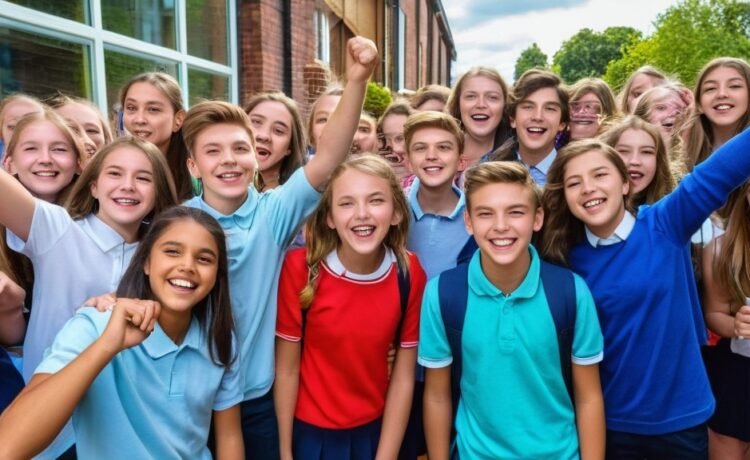
Capturing Smiles: School Photo Day Photographer
We arrive at the school, our equipment cases rattling with the promise of a thousand captured moments. Today is School Photo Day, a familiar ritual for us, a cyclical event akin to the changing of seasons. We are the architects of memory, the custodians of fleeting youth, tasked with distilling the essence of each child into a single, enduring image. Our role is not merely technical; it is a blend of artistry, psychology, and logistical precision. We are, in essence, visual biographers, meticulously documenting a specific point in time for each student, from the wide-eyed wonder of kindergarten to the poised confidence of the graduating class.
Our preparation for School Photo Day is a meticulous process, a symphony of coordinated efforts designed to ensure a smooth and efficient operation. We view this as akin to a carefully choreographed play, where every prop is in place, every actor knows their mark, and the stage is set for a flawless performance.
Equipment Calibration and Setup
Before a single flash fires, our equipment undergoes rigorous inspection and calibration. This includes our array of professional-grade DSLR cameras, ranging from Canon EOS to Nikon D-series, often equipped with versatile prime lenses or high-quality zoom lenses to accommodate various angles and group sizes. We utilize studio lighting systems, typically employing a key light, fill light, and sometimes a hair light, all diffused to create soft, flattering illumination that minimizes harsh shadows. Backdrops, usually neutral grey or blue, are meticulously hung, ensuring they are free of wrinkles and properly tensioned. Tripods are secured, and backup batteries are charged and readily available. This technical precision is non-negotiable; a malfunction can disrupt the entire schedule and, more importantly, impact the quality of the final product. We consider this akin to a surgeon preparing their instruments – every tool must be sharp, sterile, and perfectly functional.
Understanding the School Environment
Each school possesses its own unique rhythm and logistical challenges. Before arrival, we consult with school administration to understand the daily schedule, classroom layouts, and any specific protocols. This might include designated photo areas, preferred student flow, and special accommodations for students with particular needs. We analyze the natural light available in our designated space, anticipating potential reflections or glare. Our team conducts a pre-event walkthrough, identifying optimal staging areas, power outlets, and accessible routes for students. This foresight allows us to adapt our setup to the specific environment, ensuring we are not simply imposing our system but integrating it seamlessly within the school’s operational framework. We are like cartographers, charting the terrain before we embark on our journey.
If you’re looking for the perfect way to capture your child’s school memories, be sure to check out this article on selecting the best school photo day photographer. It provides valuable tips on what to consider when choosing a photographer to ensure that your child’s photos are both memorable and high-quality. For more information, visit this link to explore options and services that can help make school photo day a success.
The Dance of Direction: Guiding Our Subjects
Once the students begin to arrive, our role shifts from technical preparation to active engagement. We become directors, gently guiding our subjects into positions that flatter and accurately represent them. This requires a delicate balance of authority and empathy, akin to a shepherd guiding their flock.
Posing Techniques for Different Age Groups
Our posing techniques are tailored to the age and developmental stage of each student. For younger children, simplicity is key. We encourage natural smiles, often achieved through playful conversation or a quick story. We might ask them to “look at the birdie” or “show us your happy thoughts.” For primary school students, we emphasize good posture—shoulders back, chin slightly up—while still allowing for their individual personalities to shine through. With adolescents, we often focus on confidence and natural expression, allowing them more agency in their pose. We might suggest a subtle tilt of the head or a relaxed hand position. Our aim is to avoid stiff, artificial poses, opting instead for authentic expressions that capture their true selves. We are sculpting with light and gesture, striving to reveal the underlying character of each child.
Building Rapport and Encouraging Natural Smiles
The creation of a genuine smile is perhaps our most vital skill. We understand that a forced smile is immediately recognizable and diminishes the quality of the portrait. Therefore, we prioritize building rapport with each student, even if only for a brief moment. This involves direct eye contact, a warm greeting, and often a quick, engaging question or comment. We avoid asking students to “say cheese,” as this often results in an unnatural, strained expression. Instead, we aim to elicit genuine amusement or comfort. For younger children, this might involve a silly face behind the camera; for older students, a lighthearted comment about their day. We acknowledge their nervousness and try to alleviate it with reassurance and a professional yet friendly demeanor. We are like gardeners, nurturing the conditions for a beautiful bloom to emerge.
The Technical Execution: Capturing the Moment
With the stage set and the subjects guided, we move into the decisive phase: the technical capture of the image. This is where our expertise in photography comes to the forefront, as we orchestrate light, composition, and timing to create the optimal portrait.
Mastering Lighting and Exposure
Understanding and manipulating light is fundamental to our craft. We utilize a combination of studio strobes and ambient light, carefully adjusting power settings and modifier positions to achieve a balanced and flattering illumination. Our key light illuminates the main features of the face, while the fill light softens shadows and adds depth. We constantly monitor our camera’s histogram to ensure correct exposure, preventing blown highlights or lost shadow detail. White balance is meticulously set to guarantee accurate color reproduction, avoiding unwanted color casts. We are like orchestral conductors, ensuring each instrument plays its part in perfect harmony.
Achieving Sharp Focus and Optimal Composition
Sharp focus is paramount in portraiture; blurred eyes or soft features detract significantly from the image’s impact. We utilize our cameras’ advanced autofocus systems, often employing single-point autofocus for precise targeting of the subject’s eyes. Compositionally, we adhere to principles such as the rule of thirds, placing the subject’s eyes along intersecting lines to create visual interest. We consider head room, negative space, and the overall balance of the frame. Subtle adjustments to camera height and angle are made to flatter the subject and create a sense of presence. We are like master weavers, meticulously placing each thread to create a cohesive and beautiful fabric.
The Logistical Labyrinth: Managing the Flow
Beyond the individual portrait, School Photo Day is a logistical operation of considerable scale. We are confronted with the challenge of processing hundreds, sometimes thousands, of students efficiently and systematically. This requires meticulous planning and seamless coordination.
Efficient Student Processing and Scheduling
Our team works closely with school staff to establish a precise schedule for each class or grade level. Students are typically brought to our photo station in small groups, minimizing waiting times and preventing disorganization. We utilize clear signage and verbal cues to guide students through the process, from arrival to photo capture and departure. Our aim is to maintain a steady flow, preventing bottlenecks and ensuring that each student receives adequate attention without delaying the overall schedule. We are like air traffic controllers, managing the safe and efficient movement of many individuals.
Data Management and Identification
Accurate data management is critical for associating each student with their correct portrait package. We employ systematic methods for identifying each child, often using printed bar codes or digital rostering systems. Each image file is meticulously tagged with the student’s name, class, and unique identifier. This ensures that when the time comes for image sorting and package assembly, there are no errors or misattributions. The integrity of this data chain is paramount, as a single error can lead to significant complications and dissatisfaction. We are like librarians, meticulously cataloging every volume to ensure it can be easily retrieved.
On School Photo Day, capturing the perfect moment is essential for creating lasting memories, and finding the right photographer can make all the difference. A related article discusses the importance of selecting a skilled photographer who understands how to engage with children and create a comfortable atmosphere. For more insights on this topic, you can read the full article here: School Photo Day Photographer. This resource offers valuable tips that can help parents and schools ensure a successful photo day experience.
Beyond the Lens: The Enduring Impact
Our work on School Photo Day extends far beyond the click of the shutter. We are creating tangible artifacts that will be cherished by families for years, a historical record of childhood and adolescence.
The Role of School Photos in Family Memory
School photos serve as a powerful touchstone for family memory. They document growth, highlight milestones, and offer a visual narrative of a child’s journey through education. Parents often look back at these images with fondness, recalling the specific age, the developing personality, and the memories associated with that particular school year. These photographs become part of a family’s heirloom, passed down through generations, sparking conversations and perpetuating stories. They are more than just pictures; they are visual anchors in the vast ocean of time, holding fast to precious moments.
Contribution to School History and Community
For schools themselves, these photographs contribute to a rich historical archive. They populate yearbooks, celebrate achievements, and visually document the evolution of the student body. Over decades, these collections offer invaluable insights into changing fashions, demographics, and the enduring spirit of the institution. They foster a sense of community, allowing past and present students to connect with their shared experience. We are, in a humble way, contributing to the enduring legacy of the school, helping to weave the tapestry of its past and future. We are the quiet chroniclers of an institution’s vibrant life, ensuring that each graduating class leaves behind a little piece of themselves, forever frozen in time.
FAQs
What is the role of a school photo day photographer?
A school photo day photographer is responsible for taking individual and group portraits of students, staff, and sometimes faculty during designated photo days at schools. They ensure proper lighting, posing, and background settings to capture high-quality images.
When is school photo day typically scheduled?
School photo day is usually scheduled early in the academic year, often within the first few weeks of school. This timing allows schools to provide updated photos for yearbooks, student IDs, and school records.
What equipment does a school photo day photographer commonly use?
School photo day photographers typically use professional DSLR or mirrorless cameras, studio lighting equipment such as softboxes or ring lights, backdrops, and sometimes portable photo booths to create consistent and clear images.
How can parents prepare their children for school photo day?
Parents can prepare their children by ensuring they are dressed neatly according to any school guidelines, encouraging good grooming, and reminding them to smile naturally. It’s also helpful to discuss the photo day process to reduce any anxiety.
Are school photos available for purchase after the photo day?
Yes, after school photo day, parents and students usually receive order forms or online access to view and purchase prints or digital copies of the photos. Schools often provide various package options to accommodate different preferences and budgets.

Capturing Memories: Whole School Photography Services
We, as educators and administrators, know the indelible mark that school years leave on individuals. They are chapters in life’s grand narrative, filled with growth, learning, and the forging of lifelong connections. Capturing these fleeting moments, these milestones and everyday triumphs, is not merely about preserving images; it’s about embalming a segment of history, a tapestry woven with the threads of childhood, adolescence, and early adulthood. This is where whole school photography services become an indispensable tool, a conduit for remembrance, and a testament to the collective journey we undertake together.
School photography, in its essence, is the systematic documentation of the educational journey. It encompasses a wide array of photographic disciplines, from individual portraits to large-scale group shots, capturing the nuanced dynamics of a learning community. We understand that these images serve multiple purposes, extending far beyond a simple memento. They are historical records, marketing assets, and powerful tools for fostering community spirit.
Historical Archiving and Documentation
Schools, like any institution, possess a rich history, and photographic records are vital for preserving this heritage. Yearbooks, class photos, and event coverage create a visual timeline of a school’s evolution, allowing future generations to connect with its past. We recognize the importance of meticulous record-keeping, ensuring that these visual archives are not only preserved but also accessible. This includes proper cataloging, digital preservation, and adherence to archival standards. Our approach to photography services considers this historical dimension as paramount, treating each captured image as a brick in the edifice of our school’s legacy. We are, in effect, chroniclers of our own story, ensuring that the chapters are not lost to the sands of time.
Community Building and Engagement
Shared experiences are the bedrock of community, and school photographs often serve as powerful catalysts for fostering a sense of belonging. The collective act of posing for a class photo, the shared laughter captured during a sports day, or the pride radiating from a graduation portrait all contribute to a stronger community fabric. When families receive these tangible memories, they are reminded of their child’s place within our larger educational ecosystem. This reinforces parental engagement and strengthens the bond between home and school, a partnership we hold in high regard. We see these photographs as visual anchors, grounding our community in shared experiences and collective growth.
Marketing and Public Relations
In today’s competitive educational landscape, the visual representation of our school plays a crucial role in attracting prospective students and staff. High-quality photography, showcasing our vibrant learning environment, our dedicated educators, and our engaged students, communicates a powerful message of excellence and opportunity. These images, often featured on our website, brochures, and social media channels, act as our visual ambassadors, speaking volumes about who we are and what we stand for. We carefully consider the aesthetic and narrative impact of our photography, understanding that it forms a key component of our brand identity.
Whole school photography services play a crucial role in capturing the essence of school life, providing families with lasting memories of their children’s educational journey. For more insights into the importance of professional photography in schools, you can read a related article that discusses various aspects of school photography and its impact on community engagement. Check it out here: School Photography Insights.
Comprehensive Services Offered
A robust whole school photography service transcends the simple act of taking pictures. It is a holistic offering, designed to meet the diverse needs of our educational community. We strive to provide a seamless and professional experience, from initial consultation to final product delivery.
Individual and Class Portraits
Individual portraits are a rite of passage, a snapshot of a student at a particular moment in their academic journey. These formal shots often serve as cherished keepsakes for families and are integral to yearbooks and school records. Alongside individual portraits, class photographs capture the unique dynamic of each learning group, showcasing the bonds forged within the classroom. We ensure that these sessions are conducted efficiently and respectfully, minimizing disruption to the learning environment while maximizing the quality of the final images. We appreciate the challenge of capturing the individual spirit within a collective, and our photographers are skilled in achieving this delicate balance.
Event Photography and Documentation
Our school calendar is punctuated by a myriad of events – sports days, school concerts, theatrical productions, award ceremonies, and community fundraisers. Each event represents a unique opportunity to celebrate achievements, showcase talent, and foster camaraderie. Event photography plays a critical role in documenting these occasions, preserving the energy and excitement for posterity. We believe in comprehensive coverage, ensuring that key moments and participants are fully captured, creating a visual narrative of our school’s vibrant life. These photographs become more than just records; they are windows into the soul of our school, reflecting the collective effort and joy embedded in every activity.
Graduation and Leavers’ Photography
Graduation is a momentous occasion, marking the culmination of years of hard work and dedication. Graduation photography, including formal individual portraits in caps and gowns, as well as group shots of the graduating class, provides enduring mementos of this significant milestone. Leavers’ photography, for students moving to a new educational stage, similarly offers a visual farewell, a tangible memory of their time with us. We understand the emotional significance of these events and our photographers are adept at capturing both the gravitas and the joy of these transitions. These images become cherished relics of achievement, symbols of a journey completed and new horizons awaited.
The Professional Approach: Our Methodology
The efficacy of a whole school photography service hinges on a professional and well-structured methodology. We subscribe to a rigorous process that prioritizes quality, efficiency, and customer satisfaction.
Experienced and Qualified Photographers
The quality of our photographic output is directly correlated with the expertise of our photographers. We engage professionals who possess a deep understanding of school environments, are skilled in working with children and young people of all ages, and are adept at managing large groups. Beyond technical proficiency, our photographers demonstrate patience, clear communication, and a friendly demeanor, ensuring a positive experience for everyone involved. We consider them not just technicians, but artists with an understanding of our unique educational context.
State-of-the-Art Equipment and Technology
To produce exceptionally high-quality images, the use of professional-grade equipment is non-negotiable. This includes high-resolution cameras, a variety of lenses, studio lighting for portraits, and portable equipment for event coverage. Furthermore, the integration of modern technology for image processing, proofing, and ordering streamlines the entire workflow. We leverage online platforms for parents to view and purchase photographs conveniently, enhancing accessibility and responsiveness. This commitment to technology ensures that the visual output matches the high standards we maintain across all aspects of our institution.
Streamlined Ordering and Delivery Systems
A crucial element of a professional photography service is a clear and efficient ordering and delivery system. This includes user-friendly online galleries for parents to browse and select images, various payment options, and prompt delivery of photographic products. We aim to minimize administrative burden on school staff, handling inquiries and order fulfillment directly. Transparency in pricing and product offerings is also paramount, ensuring that families understand the value they are receiving. Our goal is a hassle-free experience, from the moment a photo is taken to the moment it arrives in a family’s hands.
Beyond the Frame: Value-Added Services
While the core services of individual and group photography are fundamental, a truly comprehensive whole school photography provider offers a range of additional services that enhance the overall value proposition.
Digital Archives and Image Management
In an increasingly digital world, the ability to store, manage, and retrieve photographic assets efficiently is invaluable. We work with providers who offer secure digital archiving solutions, allowing us to maintain a comprehensive library of school images. This includes proper metadata tagging for easy search and retrieval, and cloud-based storage for redundancy and accessibility. This digital treasure chest becomes a valuable resource for yearbooks, marketing materials, and historical reference, ensuring that our visual heritage is preserved and easily accessible for future use. This is akin to building a digital library, carefully categorizing and preserving each volume for posterity.
Bespoke Products and Customization Options
We understand that families appreciate a variety of options when it comes to preserving their memories. A comprehensive service offers a range of bespoke products beyond standard prints, such as photo books, canvas prints, framed portraits, and digital image packages. Customization options, including personalized yearbooks and school-branded products, further enhance the appeal and allow for a more personalized experience. We believe that offering these varied formats caters to diverse preferences and ensures that every family can find a way to cherish their school memories.
Fundraising Opportunities for Schools
Many school photography services offer attractive fundraising programs, allowing schools to generate revenue from photographic sales. This can be a significant benefit, providing additional funds for school projects, equipment, or extracurricular activities. We carefully evaluate these programs, ensuring they offer fair commission structures and align with our fundraising goals, transforming the act of capturing memories into a tangible benefit for our school community. This symbiotic relationship ensures that the pursuit of documentation can also contribute to the vital financial health of our institution.
In conclusion, we view whole school photography services not as a mere transaction, but as a strategic partnership. It is an investment in our school’s history, its present, and its future. By meticulously documenting the journey of our students, celebrating their achievements, and preserving the collective spirit of our community, we are not just taking pictures; we are crafting a lasting legacy. We are, in effect, shaping the visual narrative of our institution, ensuring that every smile, every triumph, and every shared moment is meticulously preserved for generations to come. When you, the reader, consider the importance of these visual records, we believe you will agree that a professional and comprehensive approach to school photography is not just desirable but essential. It is the visual heartbeat of our educational family, a permanent record of the lives we touch and the futures we help shape.
FAQs
What are whole school photography services?
Whole school photography services involve professional photographers visiting schools to take individual and group photos of students, staff, and sometimes events. These services typically include class photos, portraits, and sometimes candid shots throughout the school day.
When are whole school photography sessions usually scheduled?
Photography sessions are generally scheduled during the school year, often in the early months such as September or October, to capture students at the start of the academic year. The exact timing depends on the school’s calendar and the photography company’s availability.
What types of photos are included in whole school photography packages?
Packages often include individual student portraits, class group photos, staff photos, and sometimes sibling or family photos. Some services also offer event photography or themed photo days, depending on the school’s requirements.
How are the photos delivered to parents and schools?
Photos are usually delivered in printed form, digital downloads, or both. Many photography services provide online galleries where parents can view and order prints or digital copies. Schools may also receive copies for yearbooks or display purposes.
Are there any privacy considerations with whole school photography?
Yes, schools and photography companies must comply with data protection and privacy laws. Parents are typically informed in advance and may need to provide consent for their child’s photos to be taken and used. Schools often have policies in place to ensure photos are used appropriately and securely.

Leavers Photos and Yearbooks – Atcham Schools
As we reflect on our time in school, we often find ourselves cherishing the memories that have shaped our journey. Leavers photos and yearbooks serve as tangible reminders of those formative years, encapsulating the friendships, experiences, and milestones that define our educational journey. These artifacts are not merely collections of images and text; they represent a rite of passage, a celebration of achievements, and a way to commemorate the end of one chapter while looking forward to the next. The importance of these keepsakes cannot be overstated, as they allow us to revisit our past and share it with future generations.
Moreover, leavers photos and yearbooks foster a sense of community among students. They provide a platform for us to express our individuality while simultaneously celebrating our collective identity as a graduating class. In a world where digital communication often overshadows face-to-face interactions, these physical mementos remind us of the bonds we forged during our school years. They serve as a bridge connecting us to our peers, evoking nostalgia and reinforcing the idea that we were part of something larger than ourselves. As we flip through the pages of our yearbooks or gaze at our leavers photos, we are reminded of the laughter, challenges, and triumphs that shaped our lives during those pivotal years.
For those interested in capturing the memories of their school years, the article on Leavers Photos and Yearbooks at Atcham Schools highlights the importance of preserving these moments. To explore additional services related to school photography, including professional yearbook creation, you can visit this informative page: Schoolshots Services. This resource provides insights into how schools can enhance their yearbook offerings and create lasting keepsakes for students.
Key Takeaways
- Leavers photos and yearbooks play a crucial role in preserving school memories and fostering a sense of community.
- The process of taking leavers photos involves careful planning, coordination, and capturing individual and group portraits.
- Designing yearbooks requires creativity and attention to detail to reflect the unique experiences of the graduating class.
- Yearbooks serve as lasting keepsakes that help alumni reminisce and maintain connections over time.
- Traditions and rituals around leavers photos and yearbooks enhance their sentimental value and impact on alumni identity.
Process of Taking Leavers Photos
The process of taking leavers photos is an exciting yet meticulous endeavor that requires careful planning and coordination. Typically, schools designate specific days for these photo sessions, ensuring that every student has the opportunity to participate. As we gather in our school uniforms or chosen outfits, there is an air of anticipation and camaraderie among us. The photographers often encourage us to express our personalities through poses and expressions, capturing not just our appearances but also the essence of who we are at that moment in time.
In addition to individual portraits, group shots play a significant role in the leavers photo experience. These images encapsulate friendships and shared experiences, allowing us to look back fondly on the connections we formed throughout our school years. The excitement builds as we arrange ourselves into various formations, laughing and joking as we try to strike the perfect pose. The resulting photographs become cherished keepsakes, immortalizing not just our faces but also the spirit of our graduating class.
Designing and Creating Yearbooks
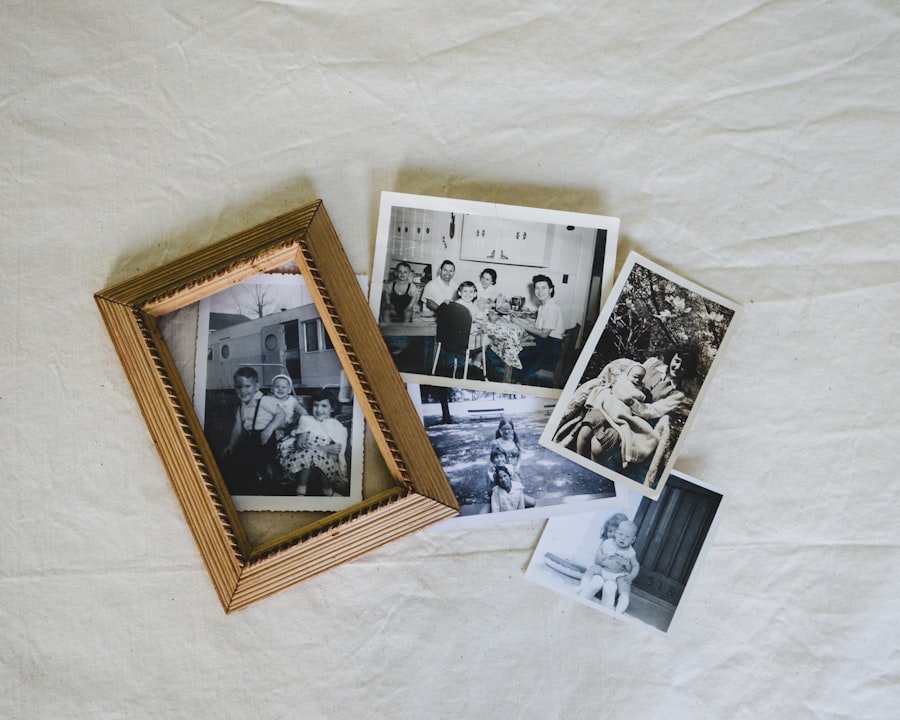
Once the leavers photos are taken, the next step is to design and create the yearbook—a task that requires creativity, collaboration, and attention to detail. We often find ourselves working together in committees or groups, brainstorming ideas for themes, layouts, and content that will best represent our class. This collaborative effort fosters a sense of ownership and pride in the final product, as each member contributes their unique perspective and skills.
The design process involves selecting colors, fonts, and images that reflect our collective identity. We sift through countless photographs, choosing those that capture memorable moments from school events, sports competitions, and everyday life. As we compile quotes from classmates and teachers, we weave together a narrative that tells the story of our time in school. The yearbook becomes more than just a collection of images; it transforms into a chronicle of our shared experiences, encapsulating the essence of who we were during those formative years.
Preserving Memories in Yearbooks

Yearbooks serve as invaluable tools for preserving memories that might otherwise fade with time. Each page is filled with snapshots of laughter, tears, and growth—moments that define our high school experience. As we flip through the pages years later, we are transported back to those days filled with youthful exuberance and uncertainty. The photographs evoke emotions and memories that remind us of who we were and how far we’ve come since then.
In addition to photographs, yearbooks often include personal messages from classmates and teachers. These heartfelt notes add a layer of intimacy to the yearbook, allowing us to reflect on the relationships we built during our time in school. Reading these messages years later can elicit feelings of nostalgia and gratitude, reminding us of the support systems that helped us navigate the challenges of adolescence. Ultimately, yearbooks become cherished artifacts that encapsulate not just memories but also the lessons learned along the way.
As students prepare to celebrate their achievements with Leavers Photos and Yearbooks at Atcham Schools, many are also interested in capturing the essence of their school memories through creative photography. For those looking to explore more about how to make the most of these keepsakes, a related article can provide valuable insights. You can read more about this topic in the article on creative school photography, which offers tips and ideas for enhancing your yearbook experience.
Distribution of Leavers Photos and Yearbooks
The distribution of leavers photos and yearbooks is often met with excitement and anticipation. As the day approaches when we receive these treasured keepsakes, there is a palpable buzz in the air. Schools typically organize special events or ceremonies for distribution, creating an atmosphere of celebration as we gather with friends to collect our copies. This moment marks not just the end of an era but also the beginning of new adventures.
Once we have our yearbooks in hand, flipping through the pages becomes a communal activity filled with laughter and reminiscing. We gather in groups to share stories about specific moments captured in photographs or to read through each other’s messages. The distribution process reinforces our sense of community as we celebrate not only our individual achievements but also the collective journey we undertook together. These moments create lasting bonds that extend beyond graduation day.
Traditions and Rituals Surrounding Leavers Photos and Yearbooks
Traditions surrounding leavers photos and yearbooks vary from school to school but often include unique rituals that enhance the experience for all involved. For many schools, a “leavers’ day” is organized where students dress up in themed outfits or casual attire for their final day together. This day is filled with laughter, games, and activities designed to create lasting memories before we part ways. The leavers photos taken on this day often capture the spirit of celebration and camaraderie that defines our graduating class.
Another common tradition is the signing of yearbooks. As we pass around our books for classmates to write messages, inside jokes, or heartfelt notes, it becomes a rite of passage in itself. This ritual fosters connections among us as we reflect on shared experiences and express gratitude for friendships formed over the years. The act of signing yearbooks transforms them into personal keepsakes filled with memories that will be cherished long after graduation.
Impact of Leavers Photos and Yearbooks on Alumni
The impact of leavers photos and yearbooks extends far beyond graduation day; they play a significant role in shaping our identities as alumni. As we move on to new chapters in life—whether it be further education or entering the workforce—these keepsakes serve as reminders of where we came from and the experiences that shaped us. They provide a sense of belonging to a larger community that continues to evolve even after we leave school.
For many alumni, revisiting their yearbooks can evoke feelings of nostalgia and reflection. They serve as a reminder of friendships forged during formative years and can reignite connections with old classmates. In this way, leavers photos and yearbooks become more than just memories; they become bridges connecting us to our past while allowing us to celebrate how far we’ve come since those days.
Future of Leavers Photos and Yearbooks
As technology continues to evolve, so too does the landscape of leavers photos and yearbooks. While traditional printed yearbooks will always hold a special place in our hearts, digital alternatives are becoming increasingly popular among schools. Online platforms allow for interactive yearbooks where students can upload photos, videos, and messages in real-time—creating a dynamic experience that reflects the ever-changing nature of our lives.
However, despite these advancements, the essence of leavers photos and yearbooks remains unchanged: they are about preserving memories and celebrating shared experiences. Whether in print or digital form, these keepsakes will continue to play an essential role in commemorating our time in school. As we look toward the future, it is clear that while formats may change, the importance of capturing memories will always endure—reminding us of who we were and who we aspire to be as we navigate life’s journey together.
FAQs
What are leavers photos at Atcham Schools?
Leavers photos at Atcham Schools are group or individual photographs taken to commemorate the students who are finishing their final year at the school. These photos serve as a keepsake for students and their families.
When are the leavers photos typically taken?
Leavers photos are usually taken towards the end of the academic year, often in the summer term, before students leave the school.
What is included in the Atcham Schools yearbooks?
The yearbooks typically include leavers photos, class photos, highlights from the school year, messages from staff and students, and other memorable events and achievements.
How can students and parents obtain copies of the leavers photos and yearbooks?
Copies of leavers photos and yearbooks are generally available for purchase through the school. Information about ordering is usually provided to students and parents in advance.
Are leavers photos and yearbooks available for all year groups at Atcham Schools?
Leavers photos and yearbooks are primarily produced for students in their final year at the school, but some schools may offer photos and yearbooks for other year groups as well. It is best to check with Atcham Schools for specific details.

Capturing Memories: The Art of School Portraits
We are woven from the threads of memory, and some of the most formative of these memories are etched into the visual narratives of our school years. School portraits, often a ubiquitous part of our educational journey, are more than just paper and ink; they are tangible anchors to a past self, a snapshot of who we were at a specific moment in time. For us, understanding the art of capturing these memories requires delving into the multifaceted process, from the technical considerations to the enduring legacy they hold.
The creation of a school portrait is a carefully orchestrated event, a delicate dance between technology, artistry, and logistical planning. It’s a process that, while often perceived as simple, involves a surprising amount of foresight and execution. We see it as the initial planting of a seed, from which a vibrant bloom of remembrance will eventually unfurl.
The Photographer’s Eye: Beyond the Click
The individual behind the lens is the conductor of this visual symphony. Their role extends far beyond simply pressing a button. They must possess a keen understanding of light, composition, and posing to translate the fleeting essence of a young individual into a lasting image.
Understanding Light: The Sculptor of Form
Artificial or natural, light is the primary tool at the photographer’s disposal. We recognize that light dictates mood, reveals texture, and sculpts the very contours of a subject’s face.
Ambient Light: The Natural Muse
In environments where natural light is available, photographers often seek out windows or open spaces. The soft, diffused light from these sources can create a gentle and flattering illumination, minimizing harsh shadows and lending a natural radiance to the subject. We understand that this approach often requires careful positioning to control and shape the light’s direction and intensity.
Studio Lighting: The Controlled Environment
When natural light is insufficient or inconsistent, professional studio lighting becomes indispensable. We acknowledge that a controlled lighting setup allows for precise manipulation of shadows and highlights, enabling the photographer to create a desired aesthetic.
Rembrandt Lighting: Creating Depth and Drama
A classic technique like Rembrandt lighting, characterized by a small triangle of light on the shadowed side of the face, can add a sense of depth and artistic flair, though it is often applied with subtlety in school portraiture to maintain approachability.
Butterfly Lighting: Emphasizing Facial Structure
Butterfly lighting, named for the shadow cast beneath the nose, can highlight the cheekbones and create a subtly flattering contour. We observe that while technically precise, the goal in school settings is typically a balanced and natural look.
Compositional Harmony: Framing the Narrative
The way a subject is framed within the photograph is as crucial as the lighting. We see composition as the architectural blueprint of the image, guiding the viewer’s eye and conveying information.
The Rule of Thirds: A Balanced Framework
The rule of thirds, an informal guideline that suggests dividing an image into nine equal parts by two horizontal and two vertical lines, is frequently employed. Placing key elements along these lines or at their intersections can create a more dynamic and aesthetically pleasing composition. We understand this as a way to avoid a static, centered image.
Foreground and Background Considerations: Context and Focus
The elements surrounding the subject, the foreground and background, are not mere afterthoughts. Photographers strategically manage these to either enhance or minimize distraction.
Blurred Backgrounds: Isolating the Subject
A common technique is to use a shallow depth of field to blur the background, effectively isolating the subject and drawing all attention to their face. This ensures that the focus remains squarely on the student.
Integrated Backgrounds: Providing Context
In some instances, the background might be intended to provide context, perhaps a subtle hint of the school environment. We acknowledge that this requires careful consideration to avoid overwhelming the portrait.
Posing Nuances: Encouraging Naturalism
Getting a young subject to look relaxed and natural can be a significant undertaking. Photographers employ subtle techniques to achieve this.
Direct Gaze: Establishing Connection
A direct gaze into the camera is the most common approach, fostering a sense of connection between the subject and the viewer. We understand that for children, this might be achieved through gentle encouragement and a friendly demeanor from the photographer.
Seated vs. Standing Poses: Varying Perspectives
Both seated and standing poses are utilized, offering different perspectives and levels of formality. A seated pose can sometimes convey a greater sense of ease.
Headshots vs. Torso Shots: Information Conveyed
The framing of the portrait—whether a close-up headshot or a wider torso shot—influences the amount of information conveyed. Headshots emphasize the face, while torso shots can provide a glimpse of attire or posture.
The Technical Toolkit: Gear and Settings
The equipment used is the artist’s palette and brushes, enabling them to translate their vision into reality.
Camera Bodies and Lenses: The Recording Instruments
The choice of camera body and lenses directly impacts the quality of the final image. We recognize that professional-grade equipment is essential for capturing sharp detail and optimal tonal range.
Full-Frame vs. Crop Sensors: Image Quality
Full-frame cameras, offering a larger sensor, generally capture more light and provide a wider dynamic range, while crop sensor cameras, though more compact, are also highly capable.
Prime vs. Zoom Lenses: Versatility and Quality
Prime lenses, with their fixed focal lengths, are often prized for their sharpness and wide apertures, while zoom lenses offer versatility. The selection often depends on the specific requirements of the school portrait session.
Lighting Equipment: Shaping the Illumination
Beyond natural light, a range of artificial light sources are employed.
Strobes and Continuous Lights: Creating Versatile Illumination
Strobes, offering powerful bursts of light for freezing motion, and continuous lights, providing a steady illumination for easier composition, are both valuable.
Light Modifiers: Controlling Light’s Character
Softboxes, umbrellas, and reflectors are used to shape and diffuse the light, softening harsh shadows and creating a more flattering effect. We understand this as the refinement of light’s quality.
The Digital Workflow: From Capture to Contact Sheet
The advent of digital photography has transformed the post-capture process, offering greater flexibility and efficiency.
Image Capture and Storage: Preserving the Moment
Images are captured as digital files, often in RAW format to preserve the maximum amount of data for post-processing. We acknowledge the importance of secure storage for these irreplaceable files.
RAW vs. JPEG: Data Integrity
RAW files contain uncompressed image data, offering greater latitude for editing, whereas JPEGs are compressed and ready for immediate use.
Review and Selection: The Culling Process
After the session, a review process takes place to select the best images.
Client Galleries: Empowering Choice
Parents or students are often presented with a selection of proofs in online galleries, allowing them to choose their preferred portraits.
The Art of Selection: Identifying the Best Shot
Choosing the ideal portrait involves looking for clarity, good expression, and pleasing composition, avoiding distractions or unflattering moments.
Logistical Orchestration: The Behind-the-Scenes Ballet
The efficient execution of school portrait days requires meticulous planning and coordination.
Scheduling and Communication: Keeping the Wheels Turning
Photographers collaborate with school administrators to schedule sessions, communicate deadlines, and inform parents about the process. We understand this as the essential framework that allows the artistic process to unfold smoothly.
Student Flow Management: Ensuring Efficiency
Optimizing the flow of students through the portrait station is crucial to minimize downtime and maximize the number of students photographed.
Background and Setup: Creating the Studio Space
Setting up the backdrop, lighting, and posing areas within the school environment is a key logistical task.
Variety of Backdrops: Offering Choices
A range of backdrops, from classic solid colors to more elaborate themed options, are often available to suit different aesthetic preferences.
If you’re interested in enhancing your skills in school portrait photography, you might find this article on literacy classes particularly insightful. It explores how engaging students in creative activities can lead to more natural and expressive portraits. To read more about it, visit this article on literacy classes.
The Evolution of School Portraits: A Historical Lens
School portraits have not always been the standardized, digitally processed images we are familiar with today. Their history is a testament to technological advancements and shifting societal values, mirroring the broader changes in photography itself. We see this evolution as a narrative arc, charting the journey from daguerreotypes to digital archives.
Early Photographic Innovations: The Dawn of Visual Representation
The very beginnings of school photography were intrinsically linked to the groundbreaking discoveries in capturing images.
The Daguerreotype Era: The First Glimmers
In the mid-19th century, the daguerreotype process, though cumbersome and expensive, offered the first practical method for creating permanent photographic images. We understand that early school portraits, if they existed at all, would have been rare and likely commissioned by affluent families.
Limitations of Early Processes: The Challenges of the Medium
The long exposure times and delicate nature of daguerreotypes posed significant challenges for photographing active children. This made capturing spontaneous expressions virtually impossible.
The Rise of Wet Plate and Dry Plate Processes: Increased Accessibility
Later processes, like the wet plate collodion and dry plate methods, improved efficiency and reduced costs, paving the way for wider adoption of photography.
Towards Standardization: The Emergence of a Process
As photographic technology became more accessible, the concept of documented school attendance began to take root.
The 20th Century Landscape: Mass Production and Personal Keepsakes
The 20th century witnessed the real explosion in school portraiture, driven by technological refinement and a growing desire for personal keepsakes.
The Kodak Revolution: Photography for the Masses
George Eastman’s innovations with roll film and the Kodak camera democratized photography, making it a more approachable medium for everyday people. We believe this directly influenced the widespread adoption of school photography services.
The School Photographer Becomes a Fixture: A Familiar Presence
Businesses specializing in school photography emerged, developing standardized procedures and equipment to serve large numbers of students efficiently.
The Golden Age of Traditional Portraits: Black and White and Sepia Tones
Much of the 20th century saw school portraits rendered in black and white or sepia tones, imbued with a timeless quality.
The Iconic Posing and Backdrops: Familiar Aesthetics
We recall the characteristic poses, the formal attire, and the often stark studio backdrops that define this era of school photography.
The Yearbook: A Collective Memory Album
The yearbook emerged as a crucial component of school life, with individual portraits serving as the foundation for a collective visual history.
The Digital Renaissance: Modernizing the Medium
The transition to digital photography in the late 20th and early 21st centuries brought about profound changes in how school portraits are captured and consumed.
The Speed and Efficiency of Digital: Streamlining the Process
Digital sensors replaced film, allowing for instantaneous image capture, review, and manipulation. We observe that this has led to increased efficiency and a wider array of output options.
On-Demand Printing and Online Galleries: Enhanced Accessibility
The ability to print on demand and the rise of online ordering systems have revolutionized how parents access and purchase school portraits.
Customization and Creative Options: Expanding the Aesthetic
Digital editing tools allow for a greater degree of customization, from retouching minor imperfections to offering a wider range of digital backgrounds and effects.
The Art of Expression: Crafting the Student’s Image
Beyond the technical aspects, the true art of school portraiture lies in its ability to capture the individual essence of each student. It is a delicate balance between conveying a polished image and retaining the authenticity of a young person’s spirit. We see this as the heart of the matter, where the technical meets the human.
Beyond the Smile: Capturing Personality
While a pleasant expression is desired, the goal extends to capturing a glimpse of the student’s unique personality.
The Nuances of Expression: The Subtle Language of the Face
A genuine smile, a thoughtful gaze, or even a hint of mischief can tell a story. Photographers aim to elicit these genuine moments.
Encouraging Natural Reactions: Creating a Comfortable Environment
Photographers who excel create an environment where students feel at ease, allowing their natural expressions to surface. We understand that this often involves patience and a friendly rapport.
The Power of Playfulness: Eliciting Joy
Lighthearted conversation and playful prompts can often lead to more natural and joyful expressions.
The Gaze: A Window to the Soul
The direction and intensity of a student’s gaze are critical elements.
Direct Eye Contact: Fostering Connection
A direct look into the camera establishes a connection with the viewer, making the portrait more engaging.
The “Look Up” Technique: Avoiding Downward Glances
Photographers often employ techniques to encourage students to look up, preventing a potentially somber or withdrawn appearance.
Wardrobe and Styling: The Visual Narrative of Attire
The clothing a student wears plays a significant role in the overall presentation of the portrait.
Simplicity and Neutrality: Allowing the Subject to Shine
Often, advice is given to choose simple, solid-colored clothing that does not distract from the student’s face.
Avoiding Busy Patterns and Logos: Maintaining Focus
Busy patterns, large logos, or overly trendy clothing can detract from the timeless quality of a portrait. We emphasize that the student should be the focal point.
Color Choices: Complementing Skin Tone and Background
The choice of colors can subtly influence the overall mood and harmony of the image.
Cool vs. Warm Tones: Setting the Mood
Cooler tones can sometimes convey a sense of calmness, while warmer tones might evoke a more vibrant feeling.
Matching the Backdrop: Creating Cohesion
The color of the clothing is often considered in relation to the chosen backdrop to ensure a visually pleasing and cohesive image.
Hair and Grooming: The Finishing Touches
Attention to hair and general grooming contributes to a polished and presentable appearance.
Neatness and Simplicity: Enhancing Natural Features
Cleanly styled hair, free from excessive products or disheveled flyaways, enhances the student’s natural features.
Age-Appropriate Styling: Reflecting Youth
The styling should be appropriate for the student’s age, avoiding overly mature or elaborate arrangements.
The Enduring Legacy: More Than Just a Photograph
School portraits, in their collective presence, form a significant part of our personal and collective histories. They are archives of our growth, milestones, and the shared experiences of our formative years. We see them as stepping stones in the river of time, marking the passage of our journey.
A Personal Archive of Growth: Documenting the Passage of Time
Each school portrait is a distinct marker, charting the physical and emotional journey of a student.
Visual Milestones: From Kindergarten to Graduation
From the shy smiles of early years to the confident expressions of high school seniors, these images document significant developmental stages.
The Subtle Shifts: Noticing Changes Over Time
We can observe the gradual changes in facial features, the subtle shifts in posture, and the evolving expressions that chart a child’s transition into adulthood.
A Tangible Link to the Past: Connecting with Our Younger Selves
Holding a school portrait allows us to look directly into the eyes of our past selves, offering a tangible connection to who we once were.
Nostalgia and Reflection: Moments of Reminiscence
These images often evoke powerful feelings of nostalgia, prompting reflection on past friendships, teachers, and schoolyard adventures.
The Yearbook: A Collective Tapestry of Memories
The school yearbook, an aggregation of individual portraits, serves as a communal chronicle of a graduating class.
A Shared History: Documenting a Cohort’s Journey
The yearbook captures not just individual appearances but a collective snapshot of a generation’s shared experiences.
The “Where Are They Now?” Phenomenon: Tracking Life’s Paths
Decades later, yearbooks become fascinating documents for reconnecting with classmates and observing the diverse paths lives have taken.
A Record of Community: The School’s Visual Identity
Yearbooks also contribute to the visual identity of the school itself, documenting its students and the spirit of each academic year.
The Digital Age and the Future of School Portraits: Adaptation and Innovation
The digital revolution has impacted the form and function of school portraits, leading to new possibilities and considerations.
Digital Archives and Online Presences: Accessibility and Longevity
The move towards digital archiving ensures greater accessibility and longevity for these valuable records.
The Rise of Digital Sharing: Instantaneous Dissemination
Students and parents can now share portraits instantly through social media and digital platforms, creating new avenues for connection.
The Continued Relevance of Physical Prints: The Tactile Connection
Despite the digital shift, the desire for physical prints remains strong, offering a tangible and enduring keepsake.
The Heirloom Quality: Passing Down Memories
Traditional prints possess an heirloom quality, allowing them to be passed down through generations, preserving family history.
The Photographer’s Role in Preserving Memory: A Continued Responsibility
The art of school portraiture, though evolving, retains its foundational importance in capturing and preserving memory.
The Skill of Observation: Recognizing the Moment
The photographer’s ability to observe, connect, and anticipate creates the opportunities for truly memorable portraits.
Building Trust: Eliciting Genuine Expressions
The development of trust between the photographer and the student is paramount in achieving authentic results.
The Responsibility of Preservation: Safeguarding Our Visual Past
Photographers and schools bear the responsibility of preserving these visual records, ensuring that future generations have access to their personal and collective histories. We understand that this is a vital contribution to the ongoing narrative of our lives.
FAQs
What is school portrait photography?
School portrait photography is a specialized type of photography focused on capturing individual and group portraits of students, typically taken during the school year for use in yearbooks, student IDs, and family keepsakes.
When is school portrait photography usually scheduled?
School portrait sessions are generally scheduled once or twice a year, often early in the academic year or mid-year, to ensure students have updated photos for school records and yearbooks.
What equipment is commonly used in school portrait photography?
Photographers typically use professional DSLR or mirrorless cameras, studio lighting setups, backdrops, and sometimes props to create consistent, high-quality portraits in a school setting.
How are school portrait photos typically delivered to students and parents?
After the photo session, images are usually processed and made available through online galleries or printed packages that parents can purchase. Some schools also provide digital downloads or include photos in yearbooks.
Are there any tips for students to prepare for their school portrait session?
Students are advised to dress neatly, follow any school dress code guidelines, groom their hair, and arrive on time. It’s also helpful to practice a natural smile and maintain good posture for the best results.
Capturing Memories: The Secondary School Photographer
We are the silent observers, the keepers of fleeting moments, the ones who freeze time within the glossy confines of a photograph. In the bustling ecosystem of secondary schools, we, the photographers, occupy a unique vantage point. We are not just students clicking shutters; we are architects of memory, building a visual archive that will serve as a tangible bridge to our adolescence for years to come. Our role, often underestimated, is fundamental to documenting the journey of a school community, from the mundane to the momentous. We capture the growth, the camaraderie, the learning, and the sheer essence of what it means to navigate those formative years.
The Genesis of the School Photographer: From Hobby to Necessity
The tradition of school photography is not a recent invention. It’s a thread woven through the fabric of educational institutions, evolving alongside technological advancements and changing societal expectations. Historically, photography was a specialized skill, requiring significant investment in equipment and expertise. Early school photographs, often formal class portraits, served as official records, a way for families to gauge their child’s progress through the educational system. These images were more about establishing identity within a group than capturing candid moments, a stark contrast to the dynamic visual narratives we strive to create today.
Early Innovations and Their Impact
The advent of more accessible and affordable cameras democratized the photographic process. As cameras shrunk in size and film became more readily available, the capacity for documenting school life expanded. Initially, this might have been spearheaded by enthusiastic teachers or dedicated parents. However, as the volume and complexity of school events grew, the need for a dedicated photographic presence became increasingly apparent. This laid the groundwork for the emergence of students themselves taking on this crucial responsibility, bringing a fresh perspective and a deep understanding of the school’s inner workings.
The Digital Revolution: A Paradigm Shift
The digital revolution, of course, marked the most significant transformation in school photography. Gone were the days of costly film development and the agonizing wait for images to materialize. Digital cameras offered instant gratification, allowing for on-the-spot review and selection of the best shots. This technological leap lowered the barrier to entry, empowering more students to experiment with photography and to contribute to the visual record. It also transformed the workflow, enabling easier sharing, editing, and archiving of images, making the entire process more efficient and adaptable.
Our Toolkit: Beyond the Click
The tools of our trade extend far beyond the camera itself. While we are undoubtedly reliant on our photographic equipment, our skillset encompasses a much broader spectrum of knowledge and practice. We are visual storytellers, wielding light and shadow as our paintbrushes, composition as our canvas. Our understanding of perspective, framing, and focus allows us to translate ephemeral moments into enduring visual narratives.
Essential Equipment: More Than Just a Camera Body
Our primary instrument, the camera, is our portal to capturing reality. Whether it’s a sophisticated DSLR with interchangeable lenses, a high-quality mirrorless camera, or even a well-equipped smartphone for certain applications, its capabilities dictate the range and quality of our work. However, it is the accompanying lenses that truly allow us to specialize. A wide-angle lens allows us to encompass the grandeur of a school assembly, capturing the collective energy of hundreds of students. A telephoto lens, on the other hand, lets us isolate individual expressions, freezing a moment of intense concentration during an exam or a burst of laughter during a casual break.
Understanding Different Lens Types
- Wide-Angle Lenses: These lenses offer a broader field of view, ideal for capturing expansive scenes such as sports events, auditorium performances, or large group gatherings. They can also be used for dramatic effect, exaggerating depth and perspective.
- Standard Lenses: Often mimicking the human eye’s perspective, these lenses are versatile for a wide range of subjects, from portraits to general scene-setting. They offer a natural focal length that’s easy to work with.
- Telephoto Lenses: These lenses magnify distant subjects, allowing us to capture action on the sports field or subtle expressions from afar without disrupting the scene. They also excel at isolating subjects and creating a pleasing background blur (bokeh).
The Importance of Lighting and Composition
Light is our most crucial ingredient. We learn to recognize its quality – the harshness of direct midday sun versus the soft glow of an overcast sky or the dramatic interplay of artificial light during evening events. We learn to manipulate it, using natural light whenever possible, and employing flash strategically to illuminate shadows or create specific atmospheric effects. Composition, the arrangement of elements within the frame, is our language. The rule of thirds, leading lines, symmetry, and the judicious use of negative space are all tools we employ to guide the viewer’s eye and imbue our images with meaning and aesthetic appeal.
Principles of Effective Composition
- Rule of Thirds: Dividing the frame into nine equal sections with two horizontal and two vertical lines, placing key elements along these lines or at their intersections can create more balanced and engaging photographs.
- Leading Lines: Utilizing natural lines within a scene, such as pathways, fences, or architectural elements, to draw the viewer’s eye towards the main subject.
- Symmetry and Patterns: Identifying and exploiting symmetrical arrangements or repeating patterns can create visually striking and harmonious images.
- Framing: Using foreground elements, such as doorways or branches, to create a natural frame around the subject, adding depth and context.
Documenting the School Landscape: From the Classroom to the Concert Hall
Our photographic remit is vast, encompassing the entirety of the school experience. We are present at academic events, artistic endeavors, athletic competitions, and the everyday moments that define student life. Each event presents its own unique challenges and opportunities, demanding adaptability in our approach and precision in our execution.
Academic Pursuits: Capturing the Spark of Learning
The classroom is often perceived as a static environment, but for us, it’s a dynamic space teeming with intellectual curiosity and focused engagement. We capture the furrowed brows of students grappling with complex equations, the animated discussions during debates, and the triumphant smiles upon understanding a new concept. These images are not merely records of attendance; they are testaments to the intellectual growth and the collaborative spirit that flourishes within the academic setting.
Inside the Classroom
We observe the interplay between students and teachers, the moments of insight, and the quiet contemplation that accompanies learning. It’s about capturing the essence of scholastic endeavor, transforming the seemingly ordinary into visual evidence of a vibrant intellectual community. Sometimes, a simple candid shot of a student helping another understand a difficult concept can be more powerful than any staged photograph.
Extracurricular Activities: The Pulse of Student Life
Beyond the confines of academics, our lenses are drawn to the vibrant pulse of extracurricular activities. From the meticulous rehearsals of the drama club to the thunderous applause at a musical performance, we aim to capture the passion and dedication that students pour into their chosen pursuits. These images are essential in showcasing the diverse talents and interests that enrich the school’s community.
The Stage and the Field
- Performing Arts: Capturing the dramatic tension of a play, the graceful movements of a dance troupe, or the emotional resonance of a choir performance requires an understanding of stage lighting and the ability to freeze fleeting expressions.
- Sports and Athletics: The dynamism of sports is a constant challenge and a rewarding subject. We aim to capture the peak of action – a winning shot, a determined dive, a burst of speed – conveying the athleticism and team spirit.
Social Gatherings and Milestones: Marking Time
The school year is punctuated by a series of social gatherings and significant milestones. We are there to document the joy of school dances, the solemnity of graduation ceremonies, and the camaraderie of charity events. These photographs serve as cherished keepsakes, preserving the memories of shared experiences and the transition through different stages of adolescence.
From Prom Night to Graduation Day
- School Dances and Events: These occasions are a canvas of youthful exuberance. We aim to capture the laughter, the dancing, and the friendships, creating a visual diary of shared celebrations.
- Graduation Ceremonies: This is a pivotal moment, marking the culmination of years of hard work. We focus on capturing the sense of accomplishment, the pride of families, and the poignant goodbyes as students embark on their next chapter.
The Art of Candid Photography: Unveiling Authenticity
While formal portraits have their place, it is in the realm of candid photography that we truly excel. We are adept at observing and anticipating moments, capturing genuine emotions and unscripted interactions. These unposed images possess an authenticity that staged photographs often lack, offering a more relatable and intimate glimpse into the school’s daily life.
The Disappearing Act: Becoming Invisible
Our greatest skill in candid photography is our ability to blend into the background, to become virtually invisible. This requires patience, keen observation, and a non-intrusive approach. We learn to move with purpose but with minimal disruption, allowing subjects to remain unaware of our presence, thus encouraging their natural behavior. The less attention we draw to ourselves, the more genuine the moments we capture.
Capturing Authenticity: The Unseen Moments
We seek out the laughter that erupts unexpectedly, the quiet act of support between friends, the subtle expressions of concentration or relief. These are the unguarded moments that reveal the true character of individuals and the fabric of the school community. Our goal is to create a mosaic of these authentic interactions, building a holistic portrait of school life.
Technical Considerations and Ethical Responsibilities
Our role as school photographers is not solely about artistic vision; it also entails a significant degree of technical proficiency and a firm grasp of ethical considerations. We must understand the technical aspects of our equipment to produce high-quality images and navigate the complexities of image use and distribution responsibly.
Image Quality and Consistency: Maintaining Standards
Producing images of consistent high quality is paramount. This involves understanding exposure, focus, and white balance, as well as mastering post-processing techniques. A consistent visual style also contributes to the overall professional presentation of the school’s photographic record. Maintaining a certain aesthetic across different events helps create a cohesive and recognizable visual identity for the school.
Mastering Exposure and Focus
- Exposure Triangle: Understanding the interplay between aperture, shutter speed, and ISO is fundamental to achieving well-exposed images. Each element affects the amount of light reaching the sensor and influences the final image’s brightness and depth of field.
- Autofocus vs. Manual Focus: Knowing when to rely on the camera’s autofocus system and when to employ manual focus allows for precise control, especially in fast-paced situations or when specific creative effects are desired.
Privacy and Permissions: Navigating the Ethical Landscape
We operate within a framework of ethical guidelines, particularly concerning the privacy of students and staff. Obtaining appropriate permissions for using individuals’ likenesses is crucial. This often involves clear consent forms and adherence to school policies regarding image usage, ensuring that our work respects the rights and dignity of everyone within the school community. Transparency about how photographs will be used is key to building trust.
The Importance of Model Releases
- Understanding Consent: A model release is a legal document that grants permission for the use of a person’s likeness in photographs. For publication or commercial use, obtaining a signed model release is often mandatory.
- School Policies on Image Usage: Familiarizing ourselves with and adhering to the specific policies of our school regarding photography and image dissemination is vital. These policies often outline who can be photographed, under what circumstances, and how the images can be used by the school and external parties.
Our Legacy: A Visual Tapestry for the Future
Ultimately, our work as secondary school photographers is about leaving a lasting legacy. The photographs we create are not just ephemeral snapshots; they are historical documents, personal treasures, and the visual narrative of a generation. They offer a window into the past, allowing future students, alumni, and the wider community to connect with the school’s rich history and evolving identity.
Archiving and Accessibility: Preserving for Posterity
Ensuring that our photographic archive is well-organized, securely stored, and accessible is a critical aspect of our role. Digital archiving solutions and well-maintained physical collections allow these memories to be preserved for generations to come. The ease with which these images can be accessed facilitates their use in school publications, historical displays, and for individual recollection.
Digital Archiving Best Practices
- Consistent Naming Conventions: Implementing a systematic approach to naming image files, including dates, event types, and relevant keywords, greatly improves searchability and organization.
- Backup Strategies: Regularly backing up our digital archives to multiple locations, including cloud storage and external hard drives, is essential to prevent data loss due to hardware failure or unforeseen events.
The Value of Our Contribution: More Than Just Pictures
We are more than just individuals with cameras; we are storytellers, historians, and the custodians of collective memory. Our dedication and skill contribute immeasurably to the spirit and legacy of our secondary school. The visual tapestry we weave serves as a constant reminder of our shared experiences, our growth, and the indelible mark left by our time within these hallowed halls. Our photographs are the echoes of laughter, the silent testament to triumphs, and the enduring visual evidence of a chapter of life, beautifully preserved.
FAQs
What is the role of a secondary school photographer?
A secondary school photographer is responsible for capturing high-quality images of students, staff, and school events. Their work often includes individual student portraits, class photos, sports teams, and special occasions such as graduations and school plays.
When do secondary school photographers typically visit schools?
Secondary school photographers usually visit schools during the academic year, often in the early months such as September or October, to take individual and class photos. Additional visits may occur for events like sports days, drama productions, or graduation ceremonies.
How are secondary school photographs usually delivered to students and parents?
Photographs taken by secondary school photographers are commonly delivered in printed form, either as individual prints or class composites. Many photographers also offer online galleries where parents can view and order digital copies or prints.
What equipment do secondary school photographers commonly use?
Secondary school photographers typically use professional DSLR or mirrorless cameras with high-quality lenses to ensure sharp, well-lit images. They may also use studio lighting, backdrops, and portable equipment to create consistent and professional portraits.
Are there privacy considerations for secondary school photography?
Yes, schools and photographers must adhere to privacy laws and policies regarding the use and distribution of student images. Consent from parents or guardians is usually required before photographs are taken or shared, and images are handled with care to protect student privacy.