

![We embarked on a journey to create a promotional video that accurately reflects our institution’s ethos, academic rigor, and vibrant community. This article details the process, highlighting the strategic decisions and collaborative efforts that culminated in “Discover the Excellence: Our School Promotional Video.” Our aim was to construct a digital narrative that not only informs […]](https://schoolshots.co.uk/wp-content/uploads/2026/01/image-28-360x220.jpg "Discover the Excellence: Our School Promotional Video")
Discover the Excellence: Our School Promotional Video
We embarked on a journey to create a promotional video that accurately reflects our institution’s ethos, academic rigor, and vibrant community. This article details the process, highlighting the strategic decisions and collaborative efforts that culminated in “Discover the Excellence: Our School Promotional Video.” Our aim was to construct a digital narrative that not only informs prospective students and their families but also provides an authentic window into the daily life and long-term impact of our educational environment. We understand that choosing an educational institution is a pivotal decision, a foundational stone in the architecture of one’s future. Our video, therefore, serves as a comprehensive guide, meticulously crafted to illuminate the pathways and possibilities that await within our walls.
Our journey began with a clear objective: to produce a promotional video that would transcend mere marketing and become a genuine representation of our school’s identity. We recognized that in today’s digitally saturated landscape, a static brochure or a lengthy text document often fails to capture the dynamism and essence of an educational community. Instead, we sought to build a living, breathing testament to our values, brought to life through the medium of cinema.
Identifying Core Messaging and Target Audience
Before a single frame was shot, we engaged in extensive internal consultations. Our leadership team, faculty, alumni, and current students contributed to a comprehensive brainstorming process. This collaborative effort allowed us to distill our school’s unique selling propositions, academic strengths, and cultural nuances. We identified our core messaging, focusing on themes such as innovation, community, leadership, and holistic development. Simultaneously, we meticulously profiled our target audience, recognizing the diverse needs and aspirations of prospective students from various academic backgrounds and geographical locations, as well as the concerns and priorities of their parents and guardians. This dual understanding acted as our compass, guiding every subsequent decision.
Developing a Narrative Arc
We understood that a compelling video requires a compelling story. Rather than simply showcasing a series of disconnected vignettes, we opted for a narrative arc that would invite viewers on a journey. This narrative framework served as the backbone of our script, ensuring coherence and emotional resonance. The journey begins with the initial apprehension of a new student, transitions through their integration into our academic and extracurricular life, and culminates in their emergence as a well-rounded and confident individual, prepared for future challenges. We believe this storytelling approach is more effective than a simple catalogue of features, as it allows viewers to project themselves into the experience.
Creating an engaging school promotional video can significantly enhance your institution’s visibility and attract prospective students. For those interested in effective strategies for showcasing educational programs, the article on literacy classes provides valuable insights. You can read more about it here: Literacy Class Insights. This resource highlights the importance of storytelling and visual elements in capturing the essence of your school’s offerings.
Pre-Production: Laying the Foundation
The success of any ambitious project hinges on rigorous preparation. Our pre-production phase was a period of meticulous planning, where every detail was scrutinized and perfected. We understood that a solid foundation is paramount for constructing a resilient structure. Just as an architect drafts blueprints before laying bricks, we meticulously planned every aspect of our video production.
Scriptwriting and Storyboarding
Our scriptwriting team, comprising experienced educators and professional writers, meticulously crafted a narrative that encapsulated our core messages. Every line was weighed, every scene considered for its visual and emotional impact. The script was then transposed into detailed storyboards, a visual roadmap for our production team. These storyboards, acting as a graphic novel of our video, depicted shot compositions, camera movements, and character interactions, ensuring a unified vision across the entire production team. This iterative process allowed us to visualize the final product long before filming commenced, minimizing surprises and maximizing efficiency.
Talent Selection and Location Scouting
The authenticity of our video relied heavily on showcasing genuine interactions and spaces. We carefully selected student volunteers, faculty members, and alumni who genuinely embody our school’s spirit. Their enthusiasm and sincerity were crucial in conveying the warmth and vibrancy of our community. Simultaneously, our location scouting team identified key areas on campus that would visually represent our academic facilities, extracurricular spaces, and common areas. Each location was chosen not only for its aesthetic appeal but also for its ability to tell a story about our institution. We aimed to capture the essence of our learning environment, from the quiet intensity of our libraries to the energetic collaboration in our science labs.
Equipment and Crew Mobilization
Utilizing state-of-the-art cinematic equipment was a non-negotiable aspect of our production. We partnered with a professional production company renowned for their expertise in educational videography. Their crew, comprising cinematographers, sound engineers, lighting technicians, and directors, brought a wealth of experience and technical proficiency. We ensured that all necessary permits and logistical arrangements were in place, ensuring a smooth and uninterrupted filming schedule. This meticulous attention to detail in equipment and crew mobilization is analogous to a conductor ensuring every instrument is tuned and every musician is in position before the first note is played.
Production: Bringing the Vision to Life
With the blueprint meticulously laid and the crew assembled, the production phase commenced. This was where the abstract concepts of the script and storyboards began to coalesce into tangible visual and auditory elements. We transformed our campus into a living film set, bustling with activity and creative energy.
Filming Key Scenes and Interviews
Over several intensive weeks, our production team meticulously filmed a diverse range of scenes. We captured candid moments of students engaging in classroom discussions, participating in various extracurricular activities – from robotics clubs to theatrical productions – and collaborating on group projects. We also conducted insightful interviews with key stakeholders: our principal sharing the school’s vision, faculty members discussing their pedagogical approaches, and students articulating their learning experiences and aspirations. These interviews served as authentic testimonials, adding credibility and emotional depth to our narrative. Each interview was conducted in a way that encouraged genuine responses, allowing the unique personalities and perspectives of our interviewees to shine through.
Capturing the Campus Atmosphere
Beyond the structured scenes, we devoted considerable effort to capturing the overall atmosphere and spirit of our campus. This involved aerial drone shots showcasing the architectural beauty and expansive grounds, time-lapse sequences illustrating the ebb and flow of daily life, and candid shots of students interacting in informal settings. We aimed to communicate the sense of community, camaraderie, and intellectual curiosity that permeates our institution. The campus, in effect, became a character within our narrative, a silent but powerful contributor to the overall message. Just as a potter molds clay, we shaped the visual elements to convey the intrinsic value of our environment.
Ensuring Technical Excellence
Throughout the filming process, our production team maintained rigorous standards for technical excellence. This encompassed meticulous attention to lighting, ensuring optimal exposure and mood; precise sound recording, minimizing ambient noise and maximizing clarity; and steady camera work, avoiding unnecessary distractions and maintaining visual continuity. We understood that technical quality is not merely an aesthetic consideration but a critical factor in conveying professionalism and credibility. A technically flawed video, regardless of its content, can inadvertently diminish the perceived quality of the institution it represents.
Post-Production: Shaping the Masterpiece
With all the raw footage captured, our focus shifted to post-production, a phase of meticulous editing, sound design, and visual refinement. This is where the narrative truly takes shape, where individual elements are woven into a cohesive and impactful whole. Just as a sculptor carves away excess material to reveal the form within, we meticulously refined our raw footage to reveal the essence of our school.
Editing and Sequencing
Our editor, a master storyteller in their own right, meticulously reviewed hours of footage, selecting the most compelling shots and interview segments. The editing process was not merely about cutting and pasting; it was about constructing a coherent narrative flow, building suspense, emphasizing key messages, and establishing emotional resonance. The pacing was carefully calibrated, balancing informative segments with engaging visuals, ensuring the viewer remains captivated from start to finish. We employed a non-linear editing approach, allowing for creative exploration and experimentation with different sequences before finalizing the optimal arrangement.
Sound Design and Music Composition
Sound is often an underestimated element in visual storytelling. Our sound design team meticulously cleaned up audio tracks, removed unwanted noise, and incorporated subtle sound effects that enhanced the realism and immersion of our video. Perhaps most critically, we commissioned an original musical score. The music, carefully composed to evoke specific emotions and reinforce our school’s values, seamlessly weaves through the narrative, acting as an emotional anchor and providing a distinctive auditory signature for our institution. We aimed for an orchestral quality that would elevate the perceived value of our video without being overly dramatic or intrusive.
Color Grading and Visual Effects
Color grading is akin to painting with light. Our colorists meticulously adjusted the hues, saturation, and contrast of every shot, ensuring visual consistency and enhancing the overall aesthetic appeal. This process brought out the vibrancy of our campus, the warmth of classroom interactions, and the clarity of academic materials. Where appropriate, subtle visual effects were incorporated to enhance specific elements or provide textual overlays, all with the goal of clarity and professionalism. The aim was not to create an artificial reality, but to enhance the existing beauty and detail captured during filming.
Creating an engaging school promotional video can significantly enhance your institution’s visibility and attract prospective students. To gain insights into effective strategies for producing captivating content, you might find this related article on school marketing particularly useful. It offers valuable tips and examples that can help you craft a compelling narrative for your video. For more information, check out this article that delves into the nuances of school promotional materials.
Launch and Impact: Spreading the Message
With the final cut approved, “Discover the Excellence: Our School Promotional Video” was ready for its unveiling. This marked the culmination of months of dedicated work and collaborative effort. The launch wasn’t just a release; it was a strategic deployment aimed at maximizing reach and impact, ensuring our message resonated far and wide.
Multi-Platform Distribution Strategy
We implemented a multi-platform distribution strategy to ensure our video reached the widest possible audience. It was prominently featured on our official school website, embedded in our admissions portal, and shared across all our social media channels (YouTube, Facebook, Instagram, Twitter, LinkedIn). We also utilized targeted digital advertising campaigns to reach specific demographic groups and geographic regions. Furthermore, the video was integrated into our admissions presentations, campus tours, and virtual open days, serving as a powerful and engaging introduction to our institution. This strategic dispersal ensures that our video acts as a pervasive digital ambassador.
Measuring Engagement and Feedback
The success of “Discover the Excellence” is not measured solely by viewership numbers but also by the level of engagement and the qualitative feedback received. We closely monitor analytics, tracking watch times, click-through rates, and audience demographics. Crucially, we actively solicit feedback from prospective students, parents, and educational consultants. This ongoing evaluation allows us to gauge the video’s effectiveness in conveying our core messages and influencing enrollment decisions. Anecdotal evidence, such as comments from prospective families expressing how the video solidified their decision to apply, provides invaluable validation of our efforts. This feedback loop is an essential tool for continuous improvement, much like a navigator adjusting a ship’s course based on real-time data.
Long-Term Value and Future Iterations
“Discover the Excellence” is not merely a transient marketing tool; it is a long-term asset that will continue to serve our institution for years to come. Its timeless themes and professional production quality ensure its enduring relevance. We view it as a living document, a cornerstone of our digital presence. As our school evolves, we anticipate creating updated versions, incorporating new facilities, programs, and student successes, ensuring that our promotional video remains a dynamic and accurate reflection of our continuing commitment to educational excellence. This commitment to iterative improvement underscores our broader institutional philosophy – that even excellence can be refined and enhanced.
FAQs
What is a school promotional video?
A school promotional video is a short film created to showcase a school’s environment, facilities, programs, and achievements. It is designed to attract prospective students, parents, and community members by highlighting the school’s strengths and unique features.
What are the key elements included in a school promotional video?
Key elements typically include footage of classrooms, extracurricular activities, interviews with students and staff, testimonials, campus tours, and information about academic programs and achievements. The video aims to provide a comprehensive overview of the school’s offerings.
How long should a school promotional video be?
Most school promotional videos range from 2 to 5 minutes in length. This duration is sufficient to convey important information while maintaining viewer engagement without overwhelming the audience.
Who is the target audience for a school promotional video?
The primary target audience includes prospective students and their parents, but it can also be aimed at current students, alumni, staff, and the local community to build school pride and support.
What are the benefits of creating a school promotional video?
Benefits include increased visibility and awareness of the school, improved enrollment rates, enhanced community engagement, and the ability to effectively communicate the school’s values and achievements in a visually appealing format.
![We often find ourselves at the heart of the action, lenses poised, ready to document the microcosm of life that unfolds within the school gates. Our mission, as we perceive it, is not merely to take photographs, but to encapsulate the ephemeral, the moments that, like a fleeting dream, vanish swiftly if not meticulously recorded. […]](https://schoolshots.co.uk/wp-content/uploads/2026/01/image-27-360x220.jpg "Capturing the Magic: School Event Photography")
Capturing the Magic: School Event Photography
We often find ourselves at the heart of the action, lenses poised, ready to document the microcosm of life that unfolds within the school gates. Our mission, as we perceive it, is not merely to take photographs, but to encapsulate the ephemeral, the moments that, like a fleeting dream, vanish swiftly if not meticulously recorded. This article delves into the multifaceted world of school event photography, from the technical intricacies to the ethical considerations, offering a comprehensive look at how we approach this vital task.
We recognize that a school is a living, breathing entity, a crucible where young minds are forged and characters are shaped. Our approach to photography within this environment is therefore grounded in a deep understanding of its rhythm and dynamics. We are not just photographers; we are observers, historians, and storytellers.
Navigating Diverse Event Types
The spectrum of school events we encounter is vast, each presenting its own unique set of challenges and opportunities. From the controlled chaos of sports days to the stately grandeur of graduation ceremonies, our adaptability is paramount.
- Academic Events: These include science fairs, debates, presentations, and award ceremonies. Our focus here is on capturing intellectual engagement, moments of discovery, and the pride of achievement. We often find ourselves framing close-ups of intense concentration or wide shots showcasing the collaborative spirit of projects.
- Sporting Events: The energy of sports events is infectious. We aim to freeze moments of peak action – the arc of a basketball, the determination on a runner’s face, the unity of a team huddle. Our shutter speeds are often elevated, and we anticipate movement with practiced precision.
- Cultural and Performance Events: School plays, musical concerts, art exhibitions, and cultural festivals are rich tapestries of expression. We strive to capture the emotion of performance, the intricate details of costumes, and the awe of the audience. Low-light conditions are a common challenge here, requiring careful manipulation of ISO and aperture.
- Community and Fundraising Events: These events foster a sense of belonging and collective effort. From bake sales to charity runs, we document the interactions, the laughter, and the shared purpose that binds the school community together. Our lenses become conduits for showcasing the generosity and spirit of collaboration.
- Milestone Events: Graduation ceremonies are the culmination of years of hard work and dedication. We aim to capture the gravitas of the occasion, the joy of achievement, and the bittersweet farewells. These events often demand a balance between formal portraits and candid moments of celebration.
Building Rapport and Trust
Interacting with students, teachers, and parents is an integral part of our process. We understand that a camera can sometimes be perceived as an intrusion, and our approach is always one of respect and discretion.
- Student Interaction: We often engage with students, explaining our presence and making them feel comfortable. A genuine smile or a brief, friendly exchange can transform a hesitant subject into a willing participant, leading to more natural and authentic photographs. We aim to be an unobtrusive presence, blending into the background as much as possible, yet always ready to seize a significant moment.
- Faculty and Staff Coordination: Prior communication with teachers and event organizers is crucial. Understanding the schedule, key moments, and any specific requests allows us to position ourselves strategically and avoid disrupting the flow of the event. We are often privy to specific sensitivities or important individuals to highlight, and this intelligence shapes our photographic narrative.
- Parental Permissions and Privacy: We operate within the strict guidelines of school policies regarding photography and privacy. Obtaining necessary permissions, particularly for minors, is a non-negotiable aspect of our work. We are conscious of GDPR and similar regulations, ensuring that all our practices are ethically sound and legally compliant. Our commitment to safeguarding student privacy is paramount.
For those interested in enhancing their skills in capturing memorable moments at school events, a great resource is the article available at School Event Photography Tips. This article provides valuable insights into techniques and best practices for photographing various school activities, ensuring that every important moment is beautifully documented. Whether you’re a professional photographer or a parent volunteer, these tips can help you create stunning images that families will cherish for years to come.
The Technical Toolkit: Equipping for Excellence
Our craft is inextricably linked to the tools we employ. We invest in equipment that offers reliability, versatility, and the ability to perform under diverse and often challenging conditions. Our cameras are extensions of our vision, and our lenses are the windows through which we translate reality into lasting images.
Camera Bodies and Lenses: The Core Instruments
We typically utilize professional-grade DSLR or mirrorless camera bodies, valuing their robust construction, advanced autofocus systems, and superior low-light performance. These are the workhorses of our operations, capable of capturing the fast-paced energy of a sports field or the nuanced expressions in a quiet classroom.
- Versatile Lenses: A cornerstone of our kit is a selection of versatile zoom lenses. A 24-70mm f/2.8 lens is often our primary choice for its flexibility, allowing us to go from wide-angle shots of a full assembly to intimate portraits without changing lenses. For sports, telephoto lenses like a 70-200mm f/2.8 or even longer primes are indispensable for capturing action from the sidelines. Prime lenses, such as a 50mm f/1.4, are invaluable for their shallow depth of field and superior low-light capabilities, lending an artistic touch to portraits and candid moments.
- Understanding Aperture, Shutter Speed, and ISO: We meticulously adjust these three pillars of exposure to suit the dynamic lighting conditions prevalent in school environments. In gymnasiums, where light can be notoriously poor, we push our ISO settings and open our apertures wide to gather as much light as possible, while maintaining a sufficiently fast shutter speed to freeze motion. Outdoors, in bright sunlight, we balance these elements to avoid overexposure and maintain detail in highlights and shadows. This intuitive understanding of the exposure triangle is fundamental to our success.
Lighting and Accessories: Shaping the Image
While natural light is often our preferred source, we are prepared to augment it when necessary, particularly for indoor events or formal portraits.
- External Flash Units: For indoor events or fill light outdoors, we employ external flash units, often bounced off ceilings or walls to provide a softer, more natural illumination. We are cautious not to create harsh shadows or distract from the event with intrusive flashes. Sometimes, multiple off-camera flashes are utilized for a more sophisticated lighting setup, especially for staged group photos.
- Tripods and Monopods: For static shots, long exposures, or video recording, tripods provide essential stability. Monopods offer a quicker, more portable solution for supporting heavier telephoto lenses, reducing fatigue during long events and aiding in sharper images by minimizing camera shake.
- Memory Cards and Batteries: Redundancy is key. We always carry multiple high-speed memory cards and fully charged spare batteries. The last thing we want is to miss a crucial moment due to technical limitations. We view these as the lifeblood of our operation, ensuring continuous capture without interruption.
Software and Post-Processing: Refining the Vision
Our work does not conclude when the shutter clicks. Post-processing is an integral stage where we refine our images, ensuring they meet our high standards.
- Image Organization and Backup: Immediately after an event, we meticulously organize and back up our images to multiple locations. This safeguarding process is non-negotiable, protecting against data loss. We maintain a systematic folder structure, making it easy to retrieve specific events or individuals.
- Editing Software: We utilize industry-standard software such as Adobe Lightroom and Photoshop for editing. This allows us to adjust exposure, color balance, cropping, and remove minor distractions. Our aim is to enhance the natural beauty of the image, not to create an artificial reality. We prioritize consistency in our editing style, ensuring a cohesive portfolio of work.
- Ethical Considerations in Editing: While we embrace the power of editing, we adhere to a strict ethical code. We avoid manipulations that alter the truth of an event or create a misleading portrayal. Our responsibility is to document, not to distort. This means refraining from significant alterations to student appearance or event details that would misrepresent the reality of the moment.
The Narrative Power of Photography: Telling the School’s Story
We believe that every photograph is a sentence, every event a chapter, and the collective body of our work, the entire story of a school. Our visual narratives aim to capture the essence of the educational journey.
Beyond the Posed Smile: Capturing Authenticity
While group photos and staged portraits have their place, our true passion lies in capturing the candid, unscripted moments that truly reflect the spirit of the school. These are the fleeting glimpses into character, genuine interaction, and unadulterated emotion.
- Candid Moments: The shy smile during an award presentation, the focused intensity of a student solving a complex problem, the spontaneous high-five between teammates – these are the treasures we seek. We often blend into the background, anticipating these authentic human connections and documenting them unobtrusively. These images often resonate most deeply with parents and staff.
- Emotional Expression: From the elation of victory to the quiet determination of effort, we aim to capture the spectrum of human emotion. A photograph that evokes a feeling is far more powerful than one that merely records an event. We understand that emotion is the invisible thread that connects a viewer to a photograph.
- Environmental Context: We often incorporate the school environment into our shots, providing context and a sense of place. A wide shot of students interacting in the playground, or a close-up of hands working on a science project in a classroom, adds depth to our storytelling. These images anchor the event within the broader school experience.
Highlighting Key Themes and Values
Each school possesses a unique ethos, a set of values that underpin its educational philosophy. We strive to reflect these themes in our photographic output.
- Community and Collaboration: Through images of students working together, teachers guiding discussions, and parents interacting at events, we illustrate the strong sense of community that thrives within the school. We look for visual cues that express unity and shared purpose.
- Learning and Growth: We focus on moments of intellectual curiosity, artistic expression, and athletic achievement, depicting the continuous journey of learning and personal growth that occurs within the school walls. These are images of transformation and development.
- Diversity and Inclusion: We ensure our photography reflects the rich tapestry of cultures, backgrounds, and abilities present in the school population, celebrating its diversity and promoting an inclusive narrative. We consciously aim for representation in our visual storytelling.
Ethical Considerations and Best Practices: Our Guiding Principles
Our commitment to ethical conduct is as strong as our dedication to technical excellence. We understand that we operate within a privileged space, entrusted with the visual representation of a sensitive environment.
Consent and Privacy: The Foundation of Trust
We rigorously adhere to school policies regarding photography and ensure that all necessary consents are obtained, especially when photographing minors. We believe transparency is key to fostering trust.
- Informed Consent: For planned shoots, we ensure that parents and guardians are fully informed about how their child’s image will be used and provide clear opt-out options. This often involves specific forms and clear communication channels.
- Discretion and Sensitivity: In candid situations, particularly at events where explicit consent for every individual is impractical, we exercise extreme discretion and sensitivity. We avoid intrusive or potentially embarrassing photographs. Our presence is meant to enhance, not to compromise, the experience of the subjects. We prioritize the dignity and well-being of the students above all else.
- Secure Storage and Usage: We store all images securely and only use them for their intended purpose, as outlined in our agreements with the school. We educate ourselves on data protection regulations relevant to the geographic location of the school to ensure full compliance.
Professionalism and Respect: Our Professional Compass
Our interactions with students, staff, and parents are always guided by principles of professionalism, respect, and courtesy. We are representatives of our craft and believe in upholding its highest standards.
- Punctuality and Preparedness: We arrive at events well in advance, giving ourselves ample time to set up, assess the lighting, and familiarize ourselves with the layout. Being prepared means we can focus on the creative aspects of our work without undue stress. We believe that readiness is half the battle.
- Non-Intrusive Presence: We strive to be as inconspicuous as possible, moving quietly and deliberately to avoid disrupting events or drawing undue attention to ourselves. Our goal is to blend into the background, allowing the natural flow of events to unfold. We are observers, not participants, in the primary action.
- Confidentiality: We maintain strict confidentiality regarding any sensitive information we may encounter during our assignments. Our role is strictly to photograph, not to disclose or comment on internal school matters. We are entrusted with a view behind the curtain, and we respect that privilege.
In the realm of capturing unforgettable moments at school events, the importance of professional photography cannot be overstated. A recent article highlights how skilled photographers can transform ordinary school gatherings into lasting memories through their unique perspectives and techniques. For those interested in exploring a stunning portfolio of school event photography, you can check out this collection that showcases the vibrant energy and joy of various school celebrations.
The Lasting Legacy: Impact and Value
The photographs we capture are more than just images; they are tangible memories, historical records, and powerful tools for storytelling. They contribute significantly to the school’s identity and its connection with its community.
Archiving and Historical Record
Our work forms a vital visual archive of the school’s history, documenting its evolution, its achievements, and the generations of students who have passed through its doors. These images become a collective memory, a visual timeline.
- Chronicling Growth and Change: Over time, our photographs illustrate the physical development of the school, the changes in its programs, and the growth of its student body. They are a visual testament to its journey.
- Preserving Milestones: From foundational ceremonies to centennial celebrations, our cameras capture the significant milestones that shape the school’s narrative, ensuring these moments are not lost to time. These are the anchors in the school’s historical narrative.
- Telling the Next Generation’s Story: Future students, parents, and alumni can look back at these images and gain a deeper understanding of the school’s legacy, fostering a sense of connection and pride. We are, in essence, creating visual heirlooms.
Communicating School Values and Successes
High-quality photography is an invaluable asset in the school’s communication strategy, both internally and externally. It speaks volumes without uttering a single word.
- Website and Marketing Materials: Compelling images enhance the school’s website, prospectuses, and social media channels, effectively showcasing its vibrant atmosphere, academic excellence, and diverse opportunities. They are often the first impression prospective families have of a school.
- Parent and Community Engagement: Well-curated photo galleries and reports from events foster a sense of connection and involvement among parents and the wider community, celebrating student achievements and reinforcing school spirit. These images act as bridges, connecting the school with its stakeholders.
- Student Motivation and Recognition: Seeing themselves and their peers actively engaged and achieving success in photographs can be a powerful motivator for students, building confidence and fostering a sense of accomplishment. It validates their experiences and efforts.
We consider our work in school event photography to be a privilege and a profound responsibility. We are the keepers of memories, the visual chroniclers of an institution that shapes futures. Through our lenses, we strive not just to capture images, but to capture the very essence of the school experience – the learning, the laughter, the triumphs, and the indelible magic that unfolds within its walls. We hope that our meticulous approach, ethical considerations, and commitment to both technical excellence and narrative power contribute meaningfully to the enduring legacy of each school we serve.
FAQs
What is school event photography?
School event photography involves capturing moments during various school functions such as sports days, graduations, plays, and other special events. The goal is to document memorable experiences for students, staff, and families.
What types of events are typically covered in school event photography?
Common events include award ceremonies, sports competitions, school dances, theatrical performances, field trips, and classroom activities. Photographers aim to capture both candid and posed shots.
What equipment is commonly used in school event photography?
Photographers often use DSLR or mirrorless cameras with versatile lenses, such as zoom lenses for capturing action from a distance and prime lenses for portraits. External flashes and tripods may also be used depending on lighting conditions.
How can schools prepare for a successful photography session during events?
Schools can prepare by informing students and parents about the photography schedule, ensuring good lighting in event venues, organizing participants for group photos, and designating areas for portraits or candid shots.
Are there privacy considerations in school event photography?
Yes, schools must adhere to privacy laws and policies, often requiring parental consent before photographing minors. Photographers and schools should ensure images are used appropriately and shared only with authorized individuals.
![We, as a collective of documentarians and observers, recognize the profound significance of the transitional phase marked by school leaving. Our focus here is on the specialized field of “School Leavers Photography,” an endeavor dedicated to preserving these ephemeral moments for posterity. We aim to delve into the various aspects of this photographic practice, exploring […]](https://schoolshots.co.uk/wp-content/uploads/2026/01/image-26-360x220.jpg "Capturing Memories: School Leavers Photography")
Capturing Memories: School Leavers Photography
We, as a collective of documentarians and observers, recognize the profound significance of the transitional phase marked by school leaving. Our focus here is on the specialized field of “School Leavers Photography,” an endeavor dedicated to preserving these ephemeral moments for posterity. We aim to delve into the various aspects of this photographic practice, exploring its historical trajectory, its contemporary methodologies, and its evolving role in the broader landscape of memory preservation.
Our understanding of school leavers photography begins with an examination of its historical development. The concept of commemorating significant life stages through visual media is not novel; indeed, it predates the invention of photography itself, finding antecedents in portrait painting and other forms of artistic depiction. However, the advent of photography revolutionized this practice, offering an accessible and relatively affordable means of mass documentation.
Early Forms of Group Portraiture
In the nascent stages of photography, around the mid-19th century, group portraiture emerged as a prominent genre. Schools, recognizing the value of capturing their student bodies, began commissioning photographers to create formal arrangements. These early photographs were often characterized by:
- Rigid Posing: Subjects were typically arranged in highly structured, often static, poses, reflecting the limitations of early photographic technology and the formal etiquette of the era.
- Monochromatic Palettes: The absence of color photography meant that these early images relied on shades of gray, lending them a timeless, almost ethereal quality.
- Formal Attire: Students and faculty were almost invariably depicted in their most formal attire, emphasizing the gravitas of the occasion and their institutional affiliation.
The Evolution of Photographic Techniques
As photographic technology advanced through the late 19th and early 20th centuries, so too did the methodologies employed in leavers photography. The introduction of faster emulsions, more portable cameras, and improved lighting techniques allowed for greater flexibility and spontaneity in image capture. We observe a gradual shift from the extremely rigid compositions of the past towards slightly more relaxed, though still formal, group arrangements. The development of flash photography, for instance, liberated photographers from sole reliance on natural light, opening new possibilities for indoor and evening shoots.
The Rise of the School Yearbook
The 20th century witnessed the proliferation of the school yearbook, a publication that cemented the role of photography in commemorating school leavers. The yearbook served as a comprehensive visual chronicle, integrating individual portraits with group shots and candid moments. This development placed a greater emphasis on:
- Standardization: To ensure uniformity across individual portraits, specific photographic guidelines regarding head position, background, and lighting were often implemented.
- Comprehensive Coverage: Yearbooks aimed to include every graduating student, thereby institutionalizing the practice of individual leavers portraits.
- Narrative Integration: Beyond mere documentation, yearbooks began to incorporate anecdotal captions and written narratives, framing the photographs within a broader contextual framework of the school year.
For those interested in capturing the essence of school leavers’ moments, a great resource is the article on School Shots, which showcases a stunning portfolio of photography dedicated to this special time in students’ lives. You can explore the various styles and themes that can be incorporated into school leavers’ photography by visiting their portfolio here: School Shots Portfolio. This collection not only highlights the creativity involved but also serves as inspiration for capturing unforgettable memories.
Contemporary Methodologies in Leavers Photography
Our contemporary approach to school leavers photography is markedly diverse, reflecting advancements in digital technology and evolving aesthetic preferences. We are no longer confined to the static, unblinking gazes of the past; instead, we embrace a spectrum of styles and techniques designed to capture the unique spirit of each graduating class.
Individual Portraiture: A Reflection of Identity
Individual portraits remain a cornerstone of leavers photography, but their execution has undergone significant transformation. Our aim is to move beyond mere identification, striving to capture a nuanced representation of each student’s personality. Key considerations include:
- Personalization: Students are often encouraged to express their individuality through choice of attire (within school guidelines), props, or even subtle expressions.
- Professional Lighting and Backgrounds: We utilize sophisticated lighting setups to create flattering and consistent illumination, often employing neutral or themed backgrounds that complement the school’s aesthetic.
- High-Resolution Imaging: Digital photography allows for the capture of extremely high-resolution images, ensuring print quality suitable for various applications, from yearbooks to personal keepsakes.
Group Photography: The Tapestry of Togetherness
Group photographs are perhaps the most evocative reminders of shared experiences, acting as a visual tapestry of camaraderie and collective memory. Within this category, we identify several distinct approaches:
- Formal Graduating Class Photos: These are often large-scale productions, meticulously arranged to include the entire graduating cohort, sometimes with faculty. Choreography and organization are paramount to ensure every individual is visible and identifiable. This can be a logistical challenge, akin to herding cats, but the resulting image is a powerful testament to collective journey.
- Informal Groupings: Beyond the grand class photograph, we often facilitate smaller, more intimate group shots with friends or specific clubs and societies. These photographs often possess a more relaxed and authentic character, capturing genuine interactions and shared laughter.
- Themed Group Shots: Increasingly, schools opt for creative or themed group photographs that reflect the unique identity or interests of the graduating class. These can range from recreating iconic scenes to incorporating specific school motifs.
Candid Photography: Unscripted Moments of Joy
The integration of candid photography has added a vital dimension to leavers photography, moving beyond posed formality to capture the unscripted narrative of the graduation period. These images act as precious fragments of time, revealing the genuine emotions and spontaneous interactions that define the end of a schooling era. We often deploy photographers into the milieu during celebratory events, pre-graduation activities, or even during everyday school life in the final weeks. This approach is akin to archaeological excavation, seeking out those hidden gems of interaction.
The Role of Technology in Modern Leavers Photography
Our current practices are inextricably linked to the advancements in photographic and digital technologies. These tools have not only refined our capture capabilities but have also broadened the scope of what is achievable in terms of image processing and dissemination.
Digital Capture and Post-Production
The transition from analogue to digital photography has been transformative. We now benefit from:
- Instant Feedback: Digital cameras provide immediate visual feedback, allowing for on-the-spot adjustments to composition, exposure, and posing. This reduces retakes and enhances efficiency.
- Extensive Post-Production Capabilities: Software such as Adobe Photoshop and Lightroom empower us to perform a wide range of post-production tasks, including color correction, retouching, and even composite imaging. This ensures optimal image quality and addresses minor imperfections, though we maintain an ethical boundary against excessive alteration that misrepresents individuals.
- Archival Efficiency: Digital files are significantly easier to store, manage, and retrieve compared to physical negatives, ensuring long-term preservation and accessibility.
Online Galleries and Digital Delivery
The internet has revolutionized the way in which leavers photographs are presented and delivered. We frequently utilize:
- Secure Online Galleries: These platforms allow students and their families to conveniently view and select their photographs from the comfort of their homes. Password protection and individualized access ensure privacy.
- Digital Downloads: The option for digital downloads provides immediate access to images, enabling easy sharing on social media or for personal printing. This caters to the contemporary preference for instantaneity.
- Integration with School Portals: In some instances, we integrate our online galleries directly with school administrative portals, streamlining access and communication for both students and school staff.
The Significance and Legacy of Leavers Photography
Our collective engagement in leavers photography is underpinned by a profound understanding of its enduring significance. These photographs are not merely static images; they are powerful artifacts, bridges to the past, and markers of personal and collective journeys.
Commemoration of a Milestone
Leaving school represents a significant life transition, a demarcation point between adolescence and emerging adulthood. Leavers photography serves as a tangible commemoration of this milestone, providing a visual record of an individual’s appearance and associations at this pivotal juncture. It crystallizes a moment in time, an anchor in the rapidly flowing river of life.
Preservation of Collective Memory
For the school institution itself, leavers photographs are integral to the preservation of its historical narrative. They form a chronological visual archive of its student body, offering insights into generational changes, fashion trends, and the demographic evolution of the school community. These images are the physical embodiment of the school’s continuous story, each year adding a new chapter.
A Catalyst for Nostalgia and Reflection
In the years following graduation, these photographs become powerful catalysts for nostalgia and self-reflection. They transport individuals back to a time of shared experiences, friendships, and formative learning. Viewing these images can evoke a spectrum of emotions, from fond reminiscence to a deeper understanding of one’s personal growth and trajectory. They act as open doors to the past, inviting us to step through and revisit the echoes of who we once were.
For school leavers, capturing memories through photography is an essential part of celebrating their achievements. A related article that explores the significance of these moments can be found at School Shots, where you can discover tips on how to make the most of your school leaver photos. This resource provides valuable insights into creating lasting memories that reflect the unique experiences of this pivotal time in a young person’s life.
Ethical Considerations and Best Practices
Our commitment to ethical practice is paramount in the field of school leavers photography. We operate within a framework that prioritizes privacy, respect, and accuracy in representation.
Consent and Data Protection
We meticulously adhere to all relevant data protection regulations, such as GDPR, when collecting and processing personal photographic data. This involves:
- Explicit Consent: We obtain explicit consent from students, and where applicable, their parents or guardians, before capturing and publishing their images. This ensures individuals understand how their likeness will be used.
- Secure Data Handling: All photographic data is stored and processed on secure servers, with stringent access controls to prevent unauthorized access or dissemination.
- Opt-Out Options: We provide clear and accessible opt-out options for students who do not wish to be photographed or have their images included in publications. This respects individual autonomy.
Inclusivity and Representation
We strive to ensure that our photography practices are inclusive and representative of the diverse student body. This means:
- Avoiding Stereotypes: We consciously avoid perpetuating stereotypes or biases in our photographic representations of students.
- Respecting Individual Differences: We are sensitive to individual preferences and needs, particularly concerning cultural or religious considerations that may impact photographic practices.
- Fair Opportunity: We endeavor to ensure that all students have an equal opportunity to be photographed and represented, regardless of their background or social standing. The lens, we believe, should be a democratizing tool.
Quality Control and Professionalism
Maintaining high standards of quality and professionalism is a foundational principle of our work. This encompasses:
- Technical Proficiency: Our photographers are highly skilled professionals, trained in advanced photographic techniques and equipped with state-of-the-art equipment.
- Professional Conduct: We uphold a high standard of professional conduct, ensuring our interactions with students and school staff are respectful and courteous.
- Image Integrity: We ensure the integrity of our images, avoiding excessive manipulation or alteration that could misrepresent individuals or events. Our aim is authenticity, not fabrication.
In conclusion, our exploration of school leavers photography reveals a practice rich in history, evolving in methodology, and profound in its significance. We, as practitioners and observers, understand that these photographs are more than mere images; they are tangible threads woven into the fabric of individual and collective memory, holding within them the echoes of youth, camaraderie, and the boundless potential of the future. They are the fixed points on a continuum, allowing us to pinpoint where we have been, and to appreciate the journey forward.
FAQs
What is school leavers photography?
School leavers photography is a type of portrait photography that captures students who are finishing their final year of school. These photos often serve as a memento of their school years and a celebration of their transition to the next stage of life.
When is the best time to schedule a school leavers photography session?
The best time to schedule a school leavers photography session is typically during the final term of the school year, often a few weeks before graduation or the last day of school. This timing allows students to be in their school uniforms or chosen outfits and ensures the photos are ready for end-of-year events.
What styles are commonly used in school leavers photography?
Common styles in school leavers photography include formal portraits, casual outdoor shots, group photos with friends, and creative or themed sessions that reflect the personality and interests of the students. Photographers may use natural light or studio setups depending on the desired look.
How can students prepare for their school leavers photography session?
Students can prepare by choosing appropriate clothing, grooming themselves neatly, and deciding on any props or themes they want to include. It’s also helpful to discuss ideas with the photographer beforehand to ensure the session reflects their personality and preferences.
Are school leavers photography sessions typically done individually or in groups?
School leavers photography sessions can be done both individually and in groups. Individual portraits focus on the student alone, while group photos often include friends or classmates to capture the social aspect of the school leavers’ experience. Many photographers offer packages that include both types of photos.
![At Betton Strange School Photography, we pride ourselves on capturing the essence of school life through our lens. Our mission is to provide high-quality photography services that reflect the unique spirit of each educational institution we work with. With years of experience in the field, we understand the importance of preserving memories that students, parents, […]](https://schoolshots.co.uk/wp-content/uploads/2026/01/image-24-360x220.jpg "Betton Strange School Photography Services")
Betton Strange School Photography Services
At Betton Strange School Photography, we pride ourselves on capturing the essence of school life through our lens. Our mission is to provide high-quality photography services that reflect the unique spirit of each educational institution we work with. With years of experience in the field, we understand the importance of preserving memories that students, parents, and faculty can cherish for years to come. Our team is dedicated to creating a comfortable and enjoyable atmosphere during each session, ensuring that everyone feels at ease in front of the camera.
We believe that every school has its own story to tell, and our goal is to document those stories through stunning imagery. From candid shots of students engaged in activities to formal portraits that highlight individual achievements, we strive to capture the moments that define a school year. Our commitment to excellence and attention to detail set us apart in the realm of school photography, making us a trusted partner for educational institutions looking to commemorate their unique experiences.
Betton Strange School Photography Services offers a comprehensive range of photography options tailored specifically for educational institutions. For those interested in exploring more about the various photography services available for schools, you can check out a related article that delves into the benefits of professional school photography at this link. This resource provides valuable insights into how high-quality images can enhance school branding and create lasting memories for students and families alike.
Key Takeaways
- Betton Strange School Photography offers specialized professional photography services tailored for schools.
- Professional school photography captures important memories and ensures high-quality images for students and families.
- Services include individual portraits, group photos, event coverage, and customized packages.
- Booking a session is straightforward, with clear steps to schedule and prepare for the photography day.
- Choosing Betton Strange guarantees experienced photographers, excellent customer service, and positive client testimonials.
The Importance of Professional School Photography
Professional school photography plays a crucial role in documenting the milestones and memories of students’ academic journeys. These photographs serve as tangible reminders of friendships formed, achievements celebrated, and experiences shared within the school community. By investing in professional photography services, schools can ensure that these moments are captured with the quality and artistry they deserve. The images produced not only serve as keepsakes for families but also contribute to the school’s legacy, showcasing its culture and values.
Moreover, professional photography fosters a sense of pride among students and staff alike. When students see themselves represented in high-quality images, it boosts their confidence and reinforces their connection to the school. Parents also appreciate having beautiful photographs to display at home, creating a lasting connection to their child’s educational experience. In this way, professional school photography becomes an integral part of the school’s identity, helping to build a strong community and shared history.
Services Offered by Betton Strange School Photography
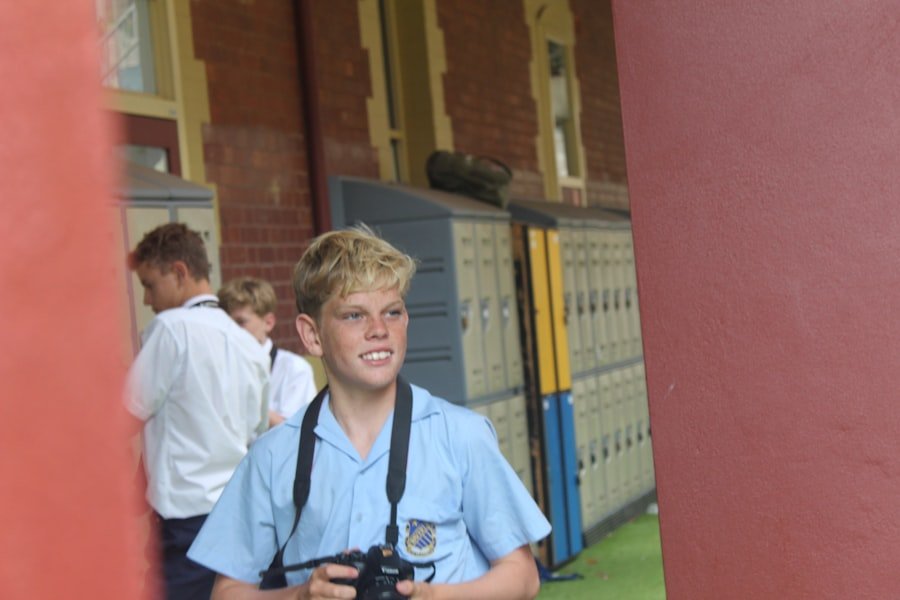
At Betton Strange School Photography, we offer a comprehensive range of services tailored to meet the diverse needs of educational institutions. Our primary offerings include individual student portraits, class group photos, and candid shots during school events such as sports days, graduations, and performances. We understand that each school has its own unique requirements, which is why we work closely with administrators to customize our services accordingly.
In addition to traditional photography services, we also provide digital packages that allow schools to easily share images with parents and students. Our online galleries make it simple for families to view and purchase photographs, ensuring that everyone has access to these cherished memories. Furthermore, we offer photo books and prints that can be customized to showcase the highlights of each school year. By providing a variety of options, we aim to make the photography experience as seamless and enjoyable as possible for everyone involved.
The Process of Booking a Photography Session

Booking a photography session with Betton Strange School Photography is designed to be straightforward and hassle-free. We begin by consulting with school administrators to discuss their specific needs and preferences. This initial meeting allows us to understand the school’s culture and any particular themes or events they would like us to focus on during our sessions. We believe that open communication is key to ensuring that our services align with the school’s vision.
Once we have established a plan, we coordinate schedules to find the best times for photography sessions. We understand that schools operate on tight timelines, so we strive to be flexible and accommodating. After finalizing the details, we send out information to parents regarding session dates and any necessary preparations. Our goal is to create an organized process that minimizes disruption while maximizing the quality of the photographs captured.
Betton Strange School Photography Services offers a unique approach to capturing the essence of school life, ensuring that every moment is beautifully preserved. For those interested in enhancing their photography skills, a related article on the importance of composition in school photography can provide valuable insights. You can read more about it in this informative piece on elements of photography, which discusses techniques that can elevate your school photos to the next level.
The Benefits of Choosing Betton Strange School Photography
Choosing Betton Strange School Photography comes with numerous benefits that extend beyond just beautiful images. Our team is composed of skilled photographers who are not only experts in their craft but also passionate about working with children and young adults. This passion translates into a relaxed atmosphere during sessions, allowing students to feel comfortable and natural in front of the camera. As a result, we capture authentic moments that truly reflect each student’s personality.
Additionally, our commitment to quality ensures that every photograph meets high standards of excellence. We utilize professional-grade equipment and editing techniques to produce images that are vibrant and visually striking. Furthermore, our dedication to customer service means that we are always available to address any questions or concerns from schools or parents throughout the process. By choosing us, schools can rest assured that they are partnering with a reliable team that values their needs and strives for excellence in every aspect of our work.
Testimonials and Success Stories
Over the years, we have had the privilege of working with numerous schools and families who have shared their positive experiences with Betton Strange School Photography. Many parents have expressed their gratitude for the beautiful portraits that capture their children’s personalities perfectly. One parent remarked, “The photos taken by Betton Strange truly reflect my child’s spirit! We will treasure these memories forever.” Such testimonials inspire us to continue delivering exceptional service and quality.
Schools have also praised our ability to adapt to their unique environments and needs. A principal from a local high school shared, “Betton Strange School Photography has been an invaluable partner for our annual yearbook photos. Their professionalism and creativity have made our yearbook one of the best yet!” These success stories motivate us to keep pushing boundaries and finding new ways to enhance our services while maintaining strong relationships with our clients.
Tips for a Successful School Photography Session
To ensure a successful school photography session, there are several tips we recommend for both students and parents. First and foremost, it’s essential for students to arrive well-rested and ready for their session. A good night’s sleep can make a significant difference in how they feel and present themselves in front of the camera. Additionally, wearing comfortable clothing that reflects their personal style can help students feel more confident during their shoot.
We also encourage parents to communicate with their children about what to expect during the session. Familiarizing them with the process can alleviate any anxiety they may have about being photographed. Lastly, reminding students to bring along any personal items or props they would like included in their photos can add a unique touch that showcases their individuality. By following these tips, families can help create an enjoyable experience that results in stunning photographs.
Conclusion and Contact Information
In conclusion, Betton Strange School Photography is dedicated to capturing the vibrant moments of school life through professional photography services tailored specifically for educational institutions. We understand the importance of preserving memories that will last a lifetime, and we take pride in our ability to deliver high-quality images that reflect each school’s unique spirit.
If you are interested in learning more about our services or would like to book a photography session for your school, please do not hesitate to reach out. You can contact us via email at info@bettonstrangephotography.com or call us at (555) 123-4567. We look forward to partnering with you in creating beautiful memories that will be cherished for years to come!
FAQs
What types of photography services does Betton Strange School offer?
Betton Strange School provides professional photography services including individual student portraits, class photos, and special event photography such as sports days and school plays.
When are the school photography sessions typically scheduled?
Photography sessions at Betton Strange School are usually scheduled once or twice a year, often in the autumn term for individual and class photos, with additional sessions for special events as needed.
How can parents purchase the photographs taken at Betton Strange School?
Parents can purchase photographs through an online ordering system provided by the school’s photography service. Details and order forms are typically sent home with students after the photo day.
Are there options for siblings or family group photos at Betton Strange School?
Yes, Betton Strange School often offers the opportunity for siblings and family group photos, usually arranged on the same day as individual student photography or by appointment.
What measures are taken to ensure the safety and privacy of students during photography sessions?
Betton Strange School follows strict safeguarding policies during photography sessions, including supervision by school staff, obtaining parental consent, and ensuring that images are used and stored in compliance with data protection regulations.
![We are pleased to present this comprehensive guide, “Meet Your School Staff: Headshots and Introductions.” This resource is designed to offer our school community – students, parents, and fellow staff members – a clear and accessible overview of the individuals who form the backbone of our educational institution. In an environment as dynamic as a […]](https://schoolshots.co.uk/wp-content/uploads/2026/01/image-23-360x220.jpg "Meet Your School Staff: Headshots and Introductions")
Meet Your School Staff: Headshots and Introductions
We are pleased to present this comprehensive guide, “Meet Your School Staff: Headshots and Introductions.” This resource is designed to offer our school community – students, parents, and fellow staff members – a clear and accessible overview of the individuals who form the backbone of our educational institution. In an environment as dynamic as a school, understanding who does what, and whose expertise to tap into, is akin to navigating a bustling city without a map; it can lead to wasted time and missed opportunities. This document aims to provide that map, illuminating the roles and personalities of those dedicated to fostering a productive and supportive learning environment.
Our school is a complex ecosystem, a vibrant tapestry woven from the threads of diverse talents and responsibilities. From the administrative offices that keep the wheels of operation turning smoothly to the educators who ignite young minds, every individual plays a crucial part. This introduction serves as a gateway, inviting you to familiarize yourselves with the architects of your daily school life. We believe that knowing the faces behind the titles fosters a stronger sense of connection and collaboration.
The leadership team are the captains of our school’s ship. They chart the course, set the sails, and steer us through the ever-changing currents of educational trends and challenges. Their decisions, made with careful consideration, impact every aspect of our school’s trajectory, from curriculum development to student well-being. Understanding their roles is essential for appreciating the strategic direction and operational framework that underpins our academic endeavors.
The Principal: The Compass and the Helm
Our Principal is the ultimate guiding force, setting the vision and ensuring that our school’s mission is not just spoken, but actively lived. They are responsible for the overall administration, the strategic planning, and the cultivation of a positive and effective school culture. Their purview extends from academic standards and instructional leadership to community engagement and resource management. Think of them as the master architect, conceptualizing the grand design of our educational edifice and overseeing its construction with a steady hand.
Key Responsibilities
- Vision and Mission: Defining and communicating the school’s overarching goals and educational philosophy.
- Instructional Leadership: Supporting teachers and promoting best practices in teaching and learning.
- School Culture: Fostering an environment of respect, inclusivity, and intellectual curiosity.
- Community Relations: Building strong partnerships with parents, the local community, and governing bodies.
- Resource Allocation: Managing the school’s budget and ensuring efficient use of all available resources.
The Vice-Principals: The First Mates and Navigators
The Vice-Principals serve as indispensable lieutenants to the Principal, sharing the burden of leadership and focusing on specific operational domains. They are instrumental in the day-to-day management of the school, ensuring that policies are implemented and that student and staff needs are met promptly and effectively. They are akin to the first mate, managing the deckhands, overseeing specific watch shifts, and ensuring the smooth operation of the ship while the captain focuses on the broader horizon.
Delineation of Vice-Principal Roles
- Student Affairs: Overseeing student discipline, attendance, welfare, and extracurricular activities. This encompasses mentoring, counseling, and ensuring a safe and supportive environment for all students. They are the custodians of student well-being, the gentle guides who help students navigate the often-turbulent waters of adolescence.
- Academic Affairs: Supporting curriculum implementation, teacher professional development, and monitoring academic progress. This role is vital in ensuring the quality of instruction and the achievement of learning objectives. They are the academic engineers, ensuring that the engines of learning are running at optimal performance and that students are receiving the highest caliber of instruction.
The Department Heads: The Specialists in Their Fields
Each academic department is helmed by a Department Head, an experienced educator who guides the curriculum development, instructional strategies, and faculty within their specific subject area. They are the specialists who ensure that the knowledge and skills imparted are current, relevant, and effectively delivered. Imagine them as the chief engineers of individual ship compartments, each responsible for the optimal functioning and innovation within their domain.
Contributions to Academic Excellence
- Curriculum Development: Designing, reviewing, and updating syllabi and course content to align with educational standards and emerging fields.
- Faculty Support and Mentorship: Providing guidance, training, and resources to teachers within their department.
- Assessment and Evaluation: Overseeing the development and implementation of effective assessment strategies.
- Promoting Innovation: Encouraging the adoption of new teaching methodologies and technologies to enhance learning.
For schools looking to enhance their professional image, the importance of high-quality staff headshots cannot be overstated. A related article that delves into the significance of these images and how they can positively impact a school’s branding can be found at this link. It highlights the benefits of having consistent and professional headshots for staff members, which can foster trust and engagement within the school community.
Administrative and Support Staff: The Unsung Heroes of Daily Operations
The administrative and support staff are the silent anchors of our school, the essential infrastructure that allows everything else to function. They are the meticulous planners, the efficient organizers, and the friendly faces that greet us each day. Without their tireless dedication, the academic and leadership teams would be adrift in a sea of administrative minutiae. Their work is the meticulous charting of the logistical seas, ensuring smooth passage and preventing unexpected shoals.
The School Secretary/Administrative Assistant: The First Point of Contact and Information Hub
The School Secretary is often the first point of contact for anyone entering our school, and their role extends far beyond answering phones. They are the central hub of information, managing schedules, coordinating communications, and ensuring the smooth day-to-day running of the office. They are the lighthouse keeper, guiding ships safely to harbor with accurate information and timely assistance.
Essential Functions
- Communication and Correspondence: Managing internal and external communications, including emails, phone calls, and mail.
- Record Keeping: Maintaining student records, attendance, and other essential administrative data.
- Scheduling and Coordination: Organizing meetings, appointments, and event logistics.
- Visitor Management: Greeting visitors, providing information, and ensuring a welcoming environment.
The Finance Department: The Guardians of Fiscal Stability
The Finance Department is responsible for the sound management of our school’s financial resources. Their diligent work ensures that we have the necessary funds for educational programs, resources, and facilities. They are the quartermasters, meticulously managing supplies and ensuring that the ship has the provisions it needs to reach its destination.
Fiscal Responsibilities
- Budget Management: Developing, monitoring, and managing the school’s annual budget.
- Procurement and Payments: Overseeing purchasing processes and managing vendor payments.
- Financial Reporting: Preparing financial statements and reports for internal and external stakeholders.
- Compliance: Ensuring adherence to all relevant financial regulations and policies.
The Facilities and Maintenance Team: The Keepers of Our Learning Environment
The Facilities and Maintenance Team are the unseen guardians of our physical space. Their dedication ensures that our school buildings are safe, clean, and conducive to learning. They are the shipwrights, ensuring the integrity and functionality of the vessel, from the smallest repair to the overall upkeep of the structure.
Maintaining a Conducive Atmosphere
- Building Maintenance: Performing routine inspections, repairs, and preventative maintenance on all school facilities.
- Custodial Services: Ensuring the cleanliness and hygiene of classrooms, offices, and common areas.
- Groundskeeping: Maintaining the school grounds, including landscaping and outdoor spaces.
- Safety and Security: Implementing and overseeing safety protocols and emergency procedures.
The IT Department: The Architects of Our Digital Infrastructure
In today’s interconnected world, the IT Department is paramount. They manage our school’s technology infrastructure, ensuring that students and staff have reliable access to digital resources, networks, and support. They are the navigators of the digital seas, ensuring our access to information and communication channels remains clear and unhindered.
Ensuring Digital Connectivity and Support
- Network Management: Maintaining and securing the school’s computer network and internet access.
- Technical Support: Providing assistance to students and staff with hardware, software, and network issues.
- System Administration: Managing servers, databases, and educational software platforms.
- Technology Integration: Supporting the effective use of technology in teaching and learning.
Academic Staff: The Cultivators of Knowledge and Skills
Our Academic Staff are the heart of our educational mission. They are the educators who dedicate themselves to imparting knowledge, fostering critical thinking, and inspiring a lifelong love of learning. Each teacher is a gardener, tending to the unique potential of every student, nurturing their growth, and helping them blossom into their full capabilities.
Teachers: The Frontline Educators and Mentors
Teachers are at the forefront of student development. They design engaging lessons, provide individualized support, and create a dynamic learning environment where students feel challenged and motivated. They are the primary link in the chain of knowledge transfer, connecting abstract concepts to tangible understanding.
The Art and Science of Teaching
- Curriculum Delivery: Effectively delivering curriculum content across various subjects and grade levels.
- Instructional Differentiation: Adapting teaching methods to meet the diverse learning needs of students.
- Assessment and Feedback: Evaluating student progress and providing constructive feedback for improvement.
- Classroom Management: Establishing and maintaining a positive and productive learning environment.
- Student Engagement: Implementing strategies to foster active participation and critical thinking.
The Library Staff: The Curators of Information and Resources
Our library staff are the custodians of a treasure trove of knowledge. They curate our collection of books, digital resources, and other learning materials, providing invaluable support to students and teachers in their research and academic pursuits. They are the librarians of the vast ocean of information, guiding seekers to the most relevant and valuable discoveries.
Facilitating Research and Learning
- Resource Management: Acquiring, cataloging, and maintaining the school’s library collection.
- Information Literacy: Teaching students how to find, evaluate, and use information effectively.
- Research Support: Assisting students and staff with research inquiries and database access.
- Promoting Reading: Encouraging a love of reading through various programs and initiatives.
The Counseling Department: The Navigators of Student Well-being
The Counseling Department plays a vital role in supporting the emotional, social, and academic well-being of our students. They provide a safe space for students to discuss challenges, develop coping mechanisms, and navigate the complexities of school life and personal development. They are the skilled pilots who guide students through the often-stormy seas of adolescence, offering counsel and support.
Supporting Holistic Student Development
- Academic Counseling: Assisting students with course selection, academic planning, and progress monitoring.
- Personal and Social Counseling: Providing support for emotional challenges, peer relationships, and social development.
- Career Exploration: Guiding students in exploring future career paths and post-secondary options.
- Crisis Intervention: Offering immediate support and resources in times of student distress.
Specialized Staff: Enhancing the Educational Experience
Beyond the core academic and administrative functions, our school is enriched by a team of specialized staff who bring unique expertise to enhance the overall educational experience for our students. These individuals are like specialized instruments on a ship, each providing a unique capability that broadens our reach and depth.
The Special Education Team: Champions of Inclusive Learning
Our Special Education Team are dedicated professionals who ensure that all students, regardless of their learning abilities, receive the support and resources they need to thrive. They are the architects of individual learning pathways, ensuring that no student is left behind. They are the champions who advocate for inclusive practices and provide tailored learning experiences.
Fostering an Inclusive Environment
- Individualized Education Programs (IEPs): Developing and implementing tailored educational plans for students with special needs.
- Learning Support: Providing direct instruction and intervention to address specific learning challenges.
- Collaboration: Working closely with teachers, parents, and other professionals to support student success.
- Advocacy: Championing the rights and needs of students with disabilities within the school community.
The Extracurricular Program Coordinators: Fueling Passion and Development
The Extracurricular Program Coordinators are instrumental in providing opportunities for students to explore their interests outside of the traditional classroom setting. They manage a diverse range of clubs, sports, and activities that foster teamwork, leadership, and personal growth. They are the impresarios, orchestrating a symphony of opportunities that allow student talents to shine beyond the academic stage.
Expanding Horizons Beyond the Classroom
- Club Management: Overseeing the organization and operation of various student clubs and societies.
- Sports Management: Coordinating athletic teams, schedules, and events.
- Event Planning: Organizing school assemblies, performances, and other extracurricular events.
- Student Leadership Development: Providing opportunities for students to take on leadership roles within extracurricular activities.
The Health Services Staff: Guardians of Student Well-being
Our Health Services staff are essential for ensuring the physical health and safety of our students. They provide immediate medical attention, administer medications, and promote healthy habits among the student body. They are the ship’s medic, ensuring the crew remains healthy and ready to face any challenge.
Prioritizing Student Health and Safety
- First Aid and Emergency Care: Providing immediate medical assistance for injuries and illnesses.
- Health Screenings: Conducting regular health assessments and screenings as required.
- Medication Administration: Safely administering prescribed medications to students.
- Health Education: Promoting health awareness and providing guidance on healthy lifestyle choices.
The Guidance Counselors: Charting Futures and Offering Support
In addition to the academic support provided by the Counseling Department, our Guidance Counselors are invaluable resources for helping students plan their academic and future pathways. They offer personalized guidance on course selection, college applications, and career exploration, acting as navigators for the next stages of a student’s journey. They are the seasoned navigators who help chart the course towards future horizons.
Guiding Academic and Future Aspirations
- Academic Advising: Providing support and guidance on course selection and academic planning.
- College and Career Counseling: Assisting students in researching post-secondary options, college applications, and career pathways.
- Standardized Test Preparation: Offering resources and guidance for standardized tests such as SATs and ACTs.
- Scholarship Information: Providing information and support for scholarship applications.
When it comes to enhancing the professional image of educational institutions, having high-quality headshots for school staff is essential. A recent article discusses the importance of these images in creating a welcoming environment for students and parents alike. For those interested in exploring this topic further, you can read more about effective headshot strategies in this insightful piece on school staff photography. These portraits not only reflect the professionalism of the staff but also contribute to the overall branding of the school.
Conclusion: A Collective Commitment to Excellence
We trust that this comprehensive overview has provided you with a deeper understanding and appreciation of the dedicated individuals who constitute our school staff. Each person, from the administrative offices to the classrooms, plays an integral role in shaping the educational experience we offer. They are the skilled crew members on our shared voyage, each contributing their unique talents to ensure our school sails smoothly and reaches its intended destinations.
We encourage you to utilize this resource whenever you need to connect with a specific department or individual. Building strong relationships within our school community is paramount to our collective success. By knowing who to turn to and understanding the diverse expertise within our ranks, we can foster a more collaborative, supportive, and ultimately, a more effective learning environment for everyone. As we continue on this educational journey, let us remember that it is the collective commitment and collaborative spirit of our entire staff that truly propels us forward.
FAQs
What is the purpose of school staff headshots?
School staff headshots are professional photographs used to identify and introduce teachers, administrators, and other staff members. They are commonly displayed on school websites, yearbooks, newsletters, and identification badges.
When is the best time to schedule school staff headshots?
The best time to schedule school staff headshots is typically at the beginning of the school year or before major school events. This ensures that the photos are current and can be used throughout the academic year.
What should staff wear for their headshots?
Staff should wear professional and comfortable attire that reflects the school’s dress code. Solid colors and simple patterns are recommended to keep the focus on the face, and accessories should be minimal.
How are school staff headshots typically taken?
School staff headshots are usually taken by a professional photographer using a plain background and good lighting to ensure clear, high-quality images. The photos are often taken individually, with staff members posing from the shoulders up.
How are school staff headshots used by schools?
Schools use staff headshots for various purposes, including updating the school website, creating staff directories, producing yearbooks, issuing ID cards, and enhancing communication with students, parents, and the community.
![We are all familiar with the rapid passage of time, how children seem to grow and change before our very eyes. From the wobbly first steps to the confident strides of adolescence, each stage of development is a precious and fleeting moment. As parents, educators, and community members, we are tasked with preserving these precious […]](https://schoolshots.co.uk/wp-content/uploads/2026/01/image-22-360x220.jpg "Capturing Individual Pupil Portraits: A Timeless Keepsake")
Capturing Individual Pupil Portraits: A Timeless Keepsake
We are all familiar with the rapid passage of time, how children seem to grow and change before our very eyes. From the wobbly first steps to the confident strides of adolescence, each stage of development is a precious and fleeting moment. As parents, educators, and community members, we are tasked with preserving these precious fragments of our children’s lives, and capturing individual pupil portraits is one of the most enduring and meaningful ways we can achieve this. More than just a photograph, a well-executed portrait serves as a visual narrative, a tangible artifact that encapsulates a child’s essence at a specific point in time, a time capsule of their youthful spirit.
The practice of creating visual representations of individuals has a long and storied history, dating back to ancient civilizations. From cave paintings to formal sittings with renowned artists, humanity has consistently sought to immortalize likenesses. In the context of education, individual pupil portraits have evolved from infrequent, formal occasions to a more accessible and integrated part of our school environments. They serve a dual purpose: as a record for the institution and as a deeply personal keepsake for families.
A Historical Perspective on Portraiture
Throughout history, portraiture has been employed for various reasons. Royal families commissioned portraits to solidify their lineage and authority. Wealthy patrons used them to display their status and achievements. In more recent centuries, the advent of photography democratized portraiture, making it accessible to a wider range of people. This accessibility is crucial for our contemporary understanding of pupil portraits, allowing for wider dissemination and greater personal connection.
The Evolution of School Photography
Early school photography often involved standardized, often stiff, poses. However, advancements in technology and a growing appreciation for individual expression have transformed the field. Today, we see a shift towards capturing personality and allowing children to express themselves naturally. This evolution is not merely aesthetic; it reflects a deeper understanding of the importance of individuality.
Portraits as Historical Archives
For educational institutions, a collection of individual pupil portraits forms an invaluable historical archive. These images can track the growth of student populations, the changing demographics of our communities, and even subtle shifts in fashion and culture over the decades. They provide a visual lineage, connecting past generations of students with those currently within our care.
For those interested in exploring the concept of individual pupil portraits further, a related article can be found on the School Shots blog. This article delves into the significance of personalized photography in educational settings and how it can enhance the overall school experience. To read more about this topic, visit School Shots Blog.
Practical Considerations in Capturing Portraits
The process of capturing individual pupil portraits requires careful planning and execution to ensure optimal results. It’s not simply a matter of pointing a camera; it involves understanding lighting, composition, and, most importantly, creating an environment where children feel comfortable and can present their authentic selves.
Choosing the Right Time and Setting
The timing of portrait sessions can significantly impact the outcome. We aim for periods when children are well-rested and not rushed, perhaps during a less demanding part of the academic year. The setting also plays a crucial role. Natural light, when available, is often preferable, creating a softer and more flattering illumination. We explore various locations within the school that offer a conducive atmosphere, avoiding overly distracting backgrounds that can detract from the subject.
Lighting Techniques for Effective Portraits
Understanding light is fundamental to good photography. We employ techniques that highlight facial features without creating harsh shadows. Whether it’s using the soft, diffused light from a window, strategically placed reflectors, or professional lighting equipment, the goal is to achieve a balanced and aesthetically pleasing illumination that brings out the best in each child.
Backgrounds and Props: Enhancing, Not Distracting
The background in a portrait should complement the subject, not compete with it. We select simple, uncluttered backgrounds that allow the child to be the focal point. Similarly, any props used should be chosen with intention, perhaps reflecting a child’s interests or the school’s environment, but always secondary to the individual themselves.
Technical Aspects: Camera Settings and Lenses
While a detailed technical discussion might be outside the scope of this overview, it’s important to acknowledge the role of technical expertise. Selecting the appropriate camera settings – aperture, shutter speed, and ISO – along with the correct lens, ensures sharp focus, ideal depth of field, and clarity. These elements work in concert to produce high-quality images.
The Psychological Impact on Pupils
Creating a welcoming and supportive environment is paramount when capturing portraits. Children, like all individuals, can be self-conscious. Our approach is designed to alleviate any potential anxiety and foster a sense of confidence, allowing their true personalities to shine through.
Building Rapport and Trust
Before the camera even comes out, we invest time in building rapport with the children. A simple conversation, a shared joke, or demonstrating genuine interest in them can go a long way in establishing trust. When a child feels comfortable and valued, their natural spontaneity emerges.
Encouraging Natural Expressions
The most compelling portraits are those that capture genuine emotion and personality. We actively encourage natural expressions by engaging children in conversation, asking them about their interests, and creating a relaxed atmosphere. We avoid forced smiles, aiming instead for authentic grins, thoughtful gazes, or engaged expressions that reflect their current mood and disposition.
Addressing Potential Self-Consciousness
We understand that some children may feel shy or self-conscious in front of a camera. Our photographers are trained to be patient and understanding, offering gentle guidance and positive reinforcement. We aim to make the experience fun and engaging, turning what could be a stressful situation into a positive interaction. The camera, in essence, becomes a mirror reflecting their inner world, rather than an interrogation device.
Beyond the Standard School Photo: Exploring Creative Approaches
While the traditional headshot has its place, we believe in exploring more creative avenues to capture the rich tapestry of individual personalities. These approaches can lead to more dynamic and evocative portraits, offering a deeper glimpse into the spirit of each pupil.
Environmental Portraits: Contextualizing the Child
Environmental portraits place the child within a setting that is meaningful to them. This could be their classroom, a favorite spot in the schoolyard, or even associated with their extracurricular activities. These portraits offer valuable context, illustrating their place within the school community and their engagement with their learning environment.
Thematic Portraits: Celebrating Individuality
We can also explore thematic portraiture, where the concept or theme is designed to highlight a student’s unique qualities, talents, or interests. This might involve incorporating elements related to their passions, whether it’s a budding artist with their artwork, a budding musician with their instrument, or an avid reader surrounded by their favorite books. These images become a celebration of their burgeoning identity.
Candid Shots: Unposed Moments of Authenticity
While formal portraits have their value, candid shots capture unposed moments of genuine interaction and emotion. These often reveal a spontaneous joy, a focused concentration, or a quiet reflection that might be missed in a more structured setting. They are like unexpected blossoms in a carefully tended garden, offering a natural beauty.
Collaborative Portraiture: Involving the Pupil in the Process
We believe in empowering pupils by involving them in the portraiture process. This could involve discussing their preferences for poses, backgrounds, or even the overall mood of the photograph. When pupils have a voice in their own representation, the resulting portraits are often more meaningful and resonant.
Individual pupil portraits play a crucial role in capturing the unique personalities and achievements of students, allowing schools to celebrate their diversity and growth. For those interested in exploring how these portraits can enhance school spirit and community engagement, a related article can be found at this link, which discusses the importance of showcasing individual student achievements through photography. By emphasizing each pupil’s journey, schools can foster a sense of belonging and pride among students and their families.
The Enduring Value of a Physical Keepsake
In an increasingly digital world, the tangible nature of a printed portrait holds a special significance. It is a physical artifact that can be held, displayed, and passed down through generations, becoming a cherished heirloom.
The Tactile Experience: Holding a Memory
There is a profound difference between viewing an image on a screen and holding a physical photograph. The tactile experience of touching a printed portrait connects us more deeply to the moment it represents. It is a physical anchor to a cherished memory, a touchstone of remembrance.
Displaying Memories: Enhancing Home and School Environments
Printed portraits serve as beautiful decorative elements for both homes and school environments. They bring warmth and personality to otherwise utilitarian spaces, reminding us of the vibrant individuals who are part of our lives and institutions. They are like windows into the soul of our community.
The Heirloom Factor: Passing Down a Legacy
A well-captured pupil portrait is more than just a photograph; it is a potential heirloom. As children grow into adults, these portraits become powerful reminders of their youth, their journey, and the enduring bonds of family and community. They are threads woven into the fabric of our collective history, passed from one generation to the next. They become silent storytellers, whispering tales of childhood to those who come after.
In conclusion, capturing individual pupil portraits is not merely a logistical necessity for schools or a fleeting photographic trend. It is a vital practice that enriches the lives of our children, strengthens our communities, and preserves invaluable memories for generations to come. By approaching this endeavor with thoughtful intention, technical skill, and a deep respect for the individual spirit, we create timeless keepsakes that will be treasured long after the school bells cease to ring.
FAQs
What are individual pupil portraits?
Individual pupil portraits are photographs or artistic representations that focus on a single student, capturing their facial features, expressions, and personality.
Why are individual pupil portraits taken?
They are typically taken for school records, yearbooks, or personal keepsakes, helping to document a student’s appearance at a particular stage in their education.
At what age are individual pupil portraits usually taken?
These portraits are commonly taken throughout a student’s school years, often annually, starting from early primary school through to secondary education.
Who usually takes individual pupil portraits?
Professional photographers hired by the school or trained school staff typically take these portraits to ensure consistent quality and style.
How are individual pupil portraits used by schools?
Schools use these portraits for identification purposes, inclusion in yearbooks, school websites, and sometimes for promotional materials or student records.
![We embark on a journey into the intricate world of class photo photography, a seemingly straightforward yet deeply complex practice that transcends mere documentation. We will explore its historical evolution, its technical challenges, and its profound sociological implications. This article endeavors to provide a comprehensive overview, grounded in historical fact and practical application, for anyone […]](https://schoolshots.co.uk/wp-content/uploads/2026/01/image-21-360x220.jpg "Capturing Memories: The Art of Class Photo Photography")
Capturing Memories: The Art of Class Photo Photography
We embark on a journey into the intricate world of class photo photography, a seemingly straightforward yet deeply complex practice that transcends mere documentation. We will explore its historical evolution, its technical challenges, and its profound sociological implications. This article endeavors to provide a comprehensive overview, grounded in historical fact and practical application, for anyone seeking to understand or engage with this pervasive photographic genre.
The class photograph, as we know it today, did not emerge fully formed. Rather, it is the product of technological advancements and evolving educational paradigms. We can trace its lineage back to the nascent days of photography itself, a period characterized by experimentation and limited accessibility.
Early Daguerreotypes and the Dawn of Group Portraits
In the mid-19th century, the daguerreotype, a pioneering photographic process, offered individuals the first opportunity to capture their likenesses. While individual portraits predominated, we also find examples of small group compositions emerging. These early photographs, often stiff and formal due to the long exposure times required, laid the groundwork for what would eventually become the class photo. Imagine, if you will, a group of stern-faced scholars, frozen in time, their gazes fixed on a distant point, each an island in an unyielding sea of stillness.
The Rise of Albumen Prints and Increased Accessibility
The advent of albumen prints and the carte-de-visite in the latter half of the 19th century revolutionized photographic accessibility. These more affordable and easily reproducible formats made photography a viable medium for commemorating group gatherings, including those within educational institutions. We observe a proliferation of school portraits during this era, often featuring students and teachers meticulously arranged in front of their school buildings. These images, frequently sepia-toned, offer us a window into a bygone era of education, where formal attire and rigid poses were the norm.
The 20th Century and the Standardization of the Class Photo
The 20th century witnessed the standardization of the class photo into the recognizable format we are familiar with today. The development of roll film cameras and the increasing commercialization of photography played pivotal roles. We find photographers traveling to schools, setting up temporary studios, and efficiently capturing large groups. The familiar tiered arrangements, with teachers seated prominently and students lining up in rows, became ubiquitous. This period marks the transformation of the class photo from a novel undertaking into an expected annual ritual, a visual marker of temporal progress and collective achievement. We see it as a cultural touchstone, a collective memory embedded in paper.
Class photo photography captures the essence of school memories, bringing together students and teachers in a single frame. For those interested in exploring more about this art form and its impact on school culture, you can check out a related article that delves into various styles and techniques used in class photography. This article provides insights on how to create lasting memories through effective composition and lighting. To learn more, visit this link.
Technical Considerations in Class Photo Photography
The technical demands of class photo photography are often underestimated. We are not merely pointing and clicking; rather, we are orchestrating a complex interplay of light, composition, and human dynamics. Neglecting these considerations can result in a photograph that fails to truly “capture” the moment.
Mastering Lighting for Uniform Exposure
Achieving uniform exposure across a large group is paramount. We encounter a spectrum of challenges, from varying skin tones to disparities in clothing colors. Natural light, while often beautiful, can be unpredictable. We meticulously assess the ambient light, seeking open shade or diffused sunlight to minimize harsh shadows and hot spots. In situations where natural light is insufficient or inconsistent, we deploy artificial lighting, carefully positioned to illuminate each individual equally. We are, in essence, painters of light, using our tools to sculpt evenness from chaos.
Compositional Strategies for Large Groups
Composing a visually appealing class photo requires careful planning. We consider the arrangement of individuals to ensure everyone is visible and no one is obscured. The classic tiered formation, with shorter students in front and taller individuals in the back, serves a practical purpose: it maximizes visibility. We also pay attention to negative space, ensuring the background doesn’t distract from the subjects. Our goal is to create a harmonious visual balance, where each element contributes to the overall aesthetic without overwhelming the others. We strive for a compositional integrity that speaks of order and intentionality.
Focus and Depth of Field Management
Maintaining sharp focus across an entire group, particularly in modern high-resolution photographs, is a critical technical hurdle. We employ smaller apertures (higher f-numbers) to increase the depth of field, ensuring that both the front and back rows of students remain in crisp focus. However, this often necessitates slower shutter speeds, which can introduce motion blur if subjects are not still. We find ourselves in a delicate balancing act, prioritizing sharpness while mitigating the risk of blur. This requires a keen understanding of photographic principles and a swift decision-making process.
Ensuring Expression and Engagement
Beyond technical proficiency, we strive to elicit genuine expressions and engagement from our subjects. A class photo should not merely be a collection of faces; it should reflect the collective spirit of the group. We employ various techniques to achieve this, from lighthearted banter to clear directives. We understand that prolonged posing can lead to stiffness, so we work efficiently and encourage natural smiles rather than forced ones. Our aim is to capture a moment of shared camaraderie, a fleeting but authentic representation of the group’s dynamic.
The Pedagogical and Sociological Significance
The class photograph is more than a mere keepsake; it serves profound pedagogical and sociological functions. We believe it acts as a visual anchor, connecting individuals to their past and to the collective experiences of their schooling.
Documenting Educational Milestones
From kindergarten graduations to senior year portraits, class photos chronologically document the educational journey of individuals. We see them as visual bookmarks, marking the passage of time and the attainment of various academic milestones. These photographs provide tangible proof of progress, offering a retrospective view of growth and development over years. They become a historical record, not just of individuals, but of an institution’s enduring legacy.
Fostering a Sense of Community and Belonging
The act of taking a class photograph itself can foster a sense of community. Students gather together, often in playful anticipation, solidifying their shared identity as a class. The resulting image serves as a powerful symbol of their collective experience and belonging within the school environment. We observe how these photographs, often displayed in hallways or yearbooks, reinforce the idea of a shared journey, strengthening the bonds of peer groups. They are a visual affirmation of their place within a larger social structure, a testament to their shared time and space.
Archiving and Preserving Institutional Memory
For educational institutions, class photographs are invaluable archival resources. We utilize them to track the history of the school, document changes in student demographics, and remember past educators and administrators. They form a visual lexicon of the school’s trajectory, offering insight into its evolution over decades or even centuries. Think of them as a historical database, meticulously curated, preserving the faces and stories of generations. This visual history is a cornerstone of institutional memory, grounding the present in a tangible past.
A Mirror to Societal Change
Class photographs can also serve as a fascinating mirror to broader societal changes. We can analyze fashion trends, hairstyles, and even expressions to glean insights into the cultural norms of different eras. Changes in racial and gender diversity within class photos offer a tangible representation of evolving societal demographics and inclusivity. These images, in their aggregate, become a powerful sociological dataset, allowing us to observe the currents of change flowing through our educational systems and, by extension, our societies. They offer a concrete, visual narrative of historical shifts.
The Class Photo in the Digital Age
The advent of digital photography and the internet has profoundly impacted the creation, dissemination, and preservation of class photographs. We find ourselves navigating a landscape transformed by technological innovation.
The Rise of Digital Capture and Instant Gratification
Digital cameras have streamlined the class photo process, offering instant feedback and eliminating the need for film development. This allows photographers to review images on the spot and make immediate adjustments, ensuring optimal results. We appreciate the efficiency this brings, reducing the turnaround time for schools and families. The ability to instantly see the captured moment has fundamentally altered the workflow, allowing for greater precision and less logistical overhead.
Online Galleries and Wider Dissemination
Online galleries have become the primary method for viewing and ordering class photographs. This eliminates the need for physical proofs and allows families to easily share images with extended relatives, regardless of geographical location. We recognize the convenience this offers, democratizing access to these visual records. The reach of a single class photo has expanded exponentially, no longer confined to the physical album but accessible across networks and continents.
The Challenge of Digital Preservation
While digital formats offer convenience, they also present unique preservation challenges. We grapple with the fragility of digital files, the potential for data loss, and the ever-evolving nature of file formats and storage technologies. Unlike a physical print, a digital file requires active management to ensure its longevity. We advocate for robust archiving strategies, including cloud storage and redundant backups, to safeguard these invaluable visual records for future generations. The digital realm, while offering unparalleled access, also demands a vigilance that was less critical in the era of tangible prints.
Ethical Considerations in a Connected World
The widespread sharing of digital class photos on social media platforms raises important ethical considerations regarding privacy and consent. We must be particularly vigilant about obtaining appropriate permissions for photo distribution and ensuring that images are used responsibly. The ease of sharing must be balanced with a deep respect for individual autonomy and the potential for misuse. We find ourselves at the intersection of technological capability and ethical responsibility, navigating a complex terrain where the welfare of our subjects is paramount.
Class photo photography captures the essence of school memories, providing a lasting keepsake for students and families alike. For those looking to explore more about the importance of these photographs and how they can be creatively approached, a related article can be found here: Class Photo Tips. This resource offers valuable insights into making the most of your class photo sessions, ensuring that every smile and moment is beautifully preserved.
The Future of Class Photo Photography
As we look ahead, we anticipate continued evolution in the field of class photo photography. Technological advancements and changing cultural expectations will undoubtedly shape its future trajectory.
Augmented Reality and Interactive Experiences
Imagine a future where class photos are not static images, but interactive experiences. We envision augmented reality (AR) overlays that bring images to life, perhaps linking to student profiles, videos of class activities, or even 3D models of school projects. This would transform a passive viewing experience into an engaging, multi-layered interaction, creating a richer tapestry of memories. We see the potential for a new dimension of storytelling, where the photograph acts as a portal rather than a conclusion.
Personalized and Customizable Class Photos
The trend towards personalization is likely to influence class photo offerings. We foresee options for individual students to customize aspects of their photos, perhaps choosing different backgrounds or even incorporating personal digital elements. This could move beyond the standardized group shot to offer more bespoke and individualistic representations within the collective framework. The future may hold a balance between the uniformity of the group and the celebration of individual expression.
The Enduring Value of the Physical Print
Despite the prevalence of digital media, we believe the physical class photo will retain its enduring value. There is an intrinsic tactile and sentimental quality to a printed photograph that a digital file cannot fully replicate. The act of holding a physical print, turning its pages, and sharing it with loved ones continues to hold a unique charm. We anticipate a continued demand for high-quality prints and professional albums, reflecting a desire to ground digital memories in a tangible form. The physical artifact, in an increasingly digital world, may become even more treasured for its unique ability to connect us to the past in a concrete way.
In conclusion, we have traversed the landscape of class photo photography, from its humble beginnings to its present complexities and future possibilities. We acknowledge its historical significance, its technical intricacies, and its profound impact on individuals and institutions. We understand that what appears to be a simple photograph is, in fact, a rich tapestry woven from history, technology, sociology, and human emotion. We hope this exploration has illuminated the multifaceted nature of this ubiquitous yet often overlooked photographic genre, encouraging a deeper appreciation for its enduring power to capture memories and preserve legacies. We recognize its continued relevance as a societal touchstone, reflecting our shared journey through the corridors of learning and life.
FAQs
What is class photo photography?
Class photo photography is the practice of taking group photographs of students and teachers in a school or educational setting, typically arranged by class or grade level.
When is the best time to schedule a class photo session?
Class photo sessions are usually scheduled during the school year, often in the early fall or spring, to capture students in their current grade and ensure good lighting conditions.
What equipment is commonly used in class photo photography?
Photographers typically use DSLR or mirrorless cameras with wide-angle lenses, tripods, and external lighting or reflectors to ensure clear, well-lit images of large groups.
How are students typically arranged in class photos?
Students are usually arranged in rows, with taller individuals standing at the back and shorter ones seated or kneeling in front, to ensure everyone is visible in the photograph.
What are some tips for getting the best class photo?
To get the best class photo, ensure good lighting, use a high-quality camera, arrange students neatly, encourage natural expressions, and take multiple shots to choose the best one.
![We, as observers of the intricate tapestry of human experience, delve into the critical role of professional school photographers in the UK. We explore their multifaceted contributions, acknowledging their position not merely as purveyors of images, but as custodians of fleeting moments and architects of institutional narrative. This article aims to dismantle common misconceptions and […]](https://schoolshots.co.uk/wp-content/uploads/2026/01/image-20-360x220.jpg "Capturing Memories: Professional School Photographer in the UK")
Capturing Memories: Professional School Photographer in the UK
We, as observers of the intricate tapestry of human experience, delve into the critical role of professional school photographers in the UK. We explore their multifaceted contributions, acknowledging their position not merely as purveyors of images, but as custodians of fleeting moments and architects of institutional narrative. This article aims to dismantle common misconceptions and illuminate the nuanced complexities inherent in this specialized field, presenting a comprehensive overview for those seeking to understand its impact and methodology.
We acknowledge that the act of immortalizing a child’s school years is not a novel concept, but its professionalization and technological advancements have dramatically reshaped its landscape. Our journey begins with a brief historical reconnaissance, tracing the trajectory of school photography from its rudimentary beginnings to its sophisticated present.
Early Iterations: The Daguerreotype and Wet Collodion Processes
In the nascent stages of photography, we find the Daguerreotype and wet collodion processes dictating the parameters of image capture. These early methods, characterized by their lengthy exposure times and intricate chemical procedures, rendered large-scale school photography impractical. Imagine, if you will, a child attempting to remain perfectly still for several minutes, a challenge even for the most stoic adult. Thus, our first school photographs were often individualized portraits, reserved for children of affluent families, bearing the hallmarks of their era’s technological constraints. The concept of a group photograph, a symbolic representation of collective identity, remained a distant ambition.
The Advent of Dry Plates and Roll Film: Democratising the Image
The late 19th and early 20th centuries witnessed a pivotal shift with the introduction of dry plates and, subsequently, roll film. These innovations, we observe, significantly reduced exposure times and simplified the photographic process. This technological leap was akin to a dam breaking, allowing a torrent of possibilities to flood the photographic landscape. Suddenly, school photography became more accessible, paving the way for the iconic class photographs we recognise today. The logistical hurdles diminished, and the cost of production decreased, democratising the visual record of education.
Post-War Expansion and Commercialisation: The Rise of the Professional
Following the two World Wars, we note a significant expansion in the demand for professional services across various sectors, including photography. The post-war economic boom and the increasing emphasis on formal education fostered fertile ground for the growth of professional school photography. Companies began to specialise, developing efficient workflows and marketing strategies tailored to the educational environment. We see this period as the crucible in which the modern school photography industry was forged, moving from a sporadic service to a standardized annual event.
The Digital Revolution: A Paradigm Shift
The late 20th and early 21st centuries, we observe, ushered in the digital revolution, a tectonic shift that fundamentally altered the landscape of photography. Film cameras, once the workhorses of the industry, gradually ceded their dominance to digital single-lens reflex (DSLR) and mirrorless cameras. This transition, for us, was not merely an upgrade; it was a complete re-imagining of the photographic process. Instant feedback, reduced material costs, and enhanced editing capabilities became the new norm, allowing for greater efficiency and creative control. We recognise this period as both a challenge and an opportunity, forcing established photographers to adapt or risk obsolescence.
For those interested in exploring the captivating work of a professional school photographer in the UK, you can check out a related article that showcases a stunning portfolio of school photography. This article highlights the creativity and expertise involved in capturing memorable moments for students and their families. To view the portfolio, visit this link for an inspiring collection of images that demonstrate the artistry and professionalism of school photography.
The Professional School Photographer’s Remit: Beyond the Shutter Click
We understand that the professional school photographer’s role extends far beyond the simple act of pressing a shutter button. Their work is a complex interplay of technical proficiency, pedagogical understanding, and astute logistical planning. We dissect these various facets, illustrating the breadth of their responsibilities.
Safeguarding and Child Protection: The Foremost Priority
For us, the paramount concern in any educational setting is the safety and well-being of the children. Professional school photographers in the UK operate under stringent safeguarding regulations, a legal and ethical framework designed to protect vulnerable individuals. We acknowledge that every photographer working within a school environment must undergo a Disclosure and Barring Service (DBS) check, a non-negotiable prerequisite. This deep background verification acts as a gatekeeper, ensuring that individuals with a history of misconduct are excluded from positions of trust. Furthermore, we recognise the importance of adherence to school-specific safeguarding policies, which often dictate protocols for interaction with children, supervision requirements, and image usage consent. Consent, we stress, is not merely a formality; it is the bedrock upon which ethical school photography is built. Parents, guardians, and the school itself must provide explicit permission for a child’s image to be captured and distributed, aligning with the principles of the General Data Protection Regulation (GDPR).
Technical Acumen: Mastering Light, Composition, and Equipment
We consider technical acumen as the bedrock of any successful photographer, and this holds particularly true in the dynamic environment of a school. Manipulating natural light, or augmenting it with artificial sources, is an art form. We observe photographers adeptly repositioning students to harness the soft glow of a classroom window or strategically deploying portable lighting rigs to illuminate a dimly lit hall. Composition, the careful arrangement of elements within the frame, is another critical skill. From arranging a large cohort for a panoramic group shot to capturing the nuances of an individual portrait, the photographer must possess a keen eye for aesthetics and balance. Furthermore, we recognise that a professional outfit relies on high-quality equipment: robust cameras capable of quick bursts and sharp focus, a range of lenses to accommodate various scenarios (from wide-angle group shots to tighter portraits), and portable backdrops and lighting kits that can be swiftly deployed and dismantled.
Logistics and Planning: Orchestrating the Session
The logistical ballet of a school photography session is often underestimated. We see the photographer as a temporary conductor, orchestrating the movement of hundreds, sometimes thousands, of children and staff. This involves meticulous pre-session planning: coordinating with school administration to establish a timetable that minimises disruption to lessons, identifying suitable locations within the school premises that offer good lighting and adequate space, and preparing all necessary equipment. On the day itself, we observe the photographer and their team meticulously managing queues, directing children efficiently, and ensuring each student is presented in their best light. This can involve adjusting clothing, hair, or even a shy smile, all within a tightly scheduled timeframe.
Post-Production and Delivery: From Raw File to Finished Product
The work does not conclude with the final shutter click. We understand that the post-production phase is equally crucial, often consuming as much, if not more, time than the actual shoot. This involves a multi-stage process: culling, where hundreds of raw images are meticulously reviewed to select the best shots; editing, which encompasses colour correction, exposure adjustment, minor retouching (such as removing stray hairs or blemishes in a non-invasive manner), and cropping to enhance composition; and finally, packaging and delivery. The end product can range from traditional print packages to digital downloads, photo merchandise, and professionally designed yearbooks. We acknowledge that the efficiency and quality control throughout this entire workflow directly impact customer satisfaction.
Ethical Considerations and Data Protection
We, as guardians of information, understand the critical importance of ethical practices and robust data protection in the realm of school photography. The images captured are not mere pixels; they are intimate representations of individuals, and their handling demands utmost care and adherence to legal frameworks.
GDPR Compliance: The Cornerstone of Data Protection
The General Data Protection Regulation (GDPR) stands as a formidable legal framework governing the collection, processing, and storage of personal data within the European Union and, by extension, the UK. We emphasise that professional school photographers are not exempt from its rigorous provisions. For us, GDPR compliance is not merely a box-ticking exercise; it is an intrinsic part of the ethical fabric of their operation. This necessitates transparency with parents and guardians regarding how their child’s image and associated data (such as name, class, and year group) will be collected, stored, and used. Explicit consent, as mentioned earlier, is paramount, and it must be freely given, specific, informed, and unambiguous. We observe that reputable photography companies often provide detailed privacy policies outlining data retention periods, security measures, and individuals’ rights to access, rectify, or erase their data.
Image Usage and Licensing: Defining the Boundaries
The question of image usage extends beyond initial capture. We recognise that the licensing terms and conditions associated with school photographs are crucial for clarity and preventing misuse. Typically, the photographer retains the copyright to the images, but parents purchase a license for personal use. This means they can print, share, and display the photos for non-commercial purposes. However, the commercial use of these images, such as for advertising or resale by third parties, is generally restricted without explicit consent from the copyright holder and, crucially, the subjects depicted. We also consider the school’s own usage rights. Schools often require a license to use select images for promotional materials, websites, or yearbooks. These agreements must be clearly defined and mutually understood, ensuring that the images are utilised in a manner consistent with their original purpose and with respect for the individuals portrayed.
Retention Policies and Secure Storage: Guardianship of Digital Assets
In the digital age, the sheer volume of images captured by school photographers necessitates robust retention policies and secure storage solutions. We understand that images, particularly those of children, are sensitive data. Therefore, professional photographers must implement stringent security measures to protect these digital assets from unauthorised access, data breaches, or accidental loss. This typically involves encrypted servers, secure cloud storage, and regular data backups. Furthermore, we expect clear policies regarding data retention – how long images are stored and when they are eventually purged. This balances the need for parents to reorder old photographs with the ethical imperative to not indefinitely retain personal data. The principle of ‘storage limitation’ under GDPR dictates that personal data should not be kept for longer than is necessary for the purposes for which it was processed.
The Impact and Value Proposition
We contend that the professional school photographer offers a value proposition far exceeding the transactional cost of prints. Their work serves as a multifaceted anchor, knitting together individual stories, institutional history, and the emotional resonance of childhood.
Preserving Childhood Memories: A Tangible Link to the Past
For individual families, we see school photographs as invaluable repositories of memory. They are tangible anchors to a fleeting past, allowing parents to witness their children’s growth, track their academic journey, and relive the innocence of bygone years. These images become historical documents for the family, charting a child’s progression from a fresh-faced reception student to a confident senior. We often hear anecdotes of adults revisiting their own school photographs, a nostalgic journey back to youthful aspirations and formative experiences. In this sense, the photographer acts as a temporal cartographer, mapping the passage of time through visual records.
Fostering Community and Identity: Visualising the Collective
Beyond individual recollections, we recognise that school photographs play a crucial role in fostering a sense of community and collective identity within educational institutions. The ubiquitous class photograph, with its neatly arranged rows of smiling faces, acts as a visual representation of shared experience. It embodies the cohort, the shared triumphs, and the challenges faced together. These images, often displayed in school hallways or yearbooks, contribute to the school’s historical narrative, acknowledging the generations who have passed through its doors. They are a visual affirmation of belonging, a testament to the collective journey of learning and growth undertaken within the school’s walls. We see these photographs as an enduring record of the school’s legacy, a mosaic of all the individuals who have contributed to its vibrant tapestry.
Supporting School Fundraising and Branding: A Mutually Beneficial Relationship
We observe that school photography often forms a mutually beneficial relationship with educational institutions, particularly in terms of fundraising and branding. Many photography companies offer commission-based schemes, where a percentage of the sales generated from photographs is returned to the school. This financial injection can be vital for schools, helping to fund extracurricular activities, equipment upgrades, or educational trips. Beyond direct financial contributions, professional photographs contribute significantly to a school’s branding and public image. High-quality, engaging images on websites, prospectuses, and social media platforms can attract prospective students and parents, portraying the school as a vibrant, nurturing, and professional environment. Flattering and well-executed images, we contend, are powerful marketing tools, reflecting the school’s dedication to excellence and its commitment to providing a positive educational experience.
If you’re interested in learning more about the role of a professional school photographer in the UK, you might find this insightful article about the dedicated team behind the lens quite enlightening. It highlights the importance of capturing those precious school moments and the expertise that goes into creating lasting memories. You can read more about it in this related article.
The Future of School Photography: Adapting and Innovating
We anticipate that the landscape of school photography, like all technological and social spheres, will continue to evolve. We look towards the horizon, identifying emerging trends and potential adaptations that will shape its future trajectory.
Personalisation and Customisation: Beyond the Standard Package
The future, we believe, lies in an increasingly personalised and customised approach. While traditional print packages will likely endure, there will be a growing demand for options that cater to individual preferences. We foresee greater integration of digital platforms offering parents more extensive choices: a wider selection of poses, backgrounds, and print formats. Imagine, if you will, the ability to select specific images for a digital yearbook, or even to virtually “try on” different products before purchasing. We also anticipate a rise in bespoke photography services, perhaps focusing on niche events or offering more candid, photojournalistic styles alongside the traditional portrait. The move towards personalised products, such as photo books featuring a child’s entire school journey or custom-designed merchandise, will likely gain traction.
Integration of Technology: AI, Virtual Reality, and Enhanced Workflows
We expect technology to continue its transformative influence on school photography. Artificial intelligence (AI), for instance, may play a crucial role in streamlining post-production processes, from automated culling of redundant images to subtle retouching and colour correction. We envision AI-powered tools assisting photographers in managing large volumes of data and enhancing efficiency. Virtual reality (VR) and augmented reality (AR) technologies, while perhaps further down the line, could offer innovative ways for parents to preview products or even experience a virtual tour of their child’s school year through interactive photographic albums. Furthermore, we foresee enhanced online platforms for ordering, payment, and digital delivery, making the entire process more seamless and user-friendly for both schools and parents.
Sustainable Practices and Ethical Sourcing: A Conscientious Approach
As societal awareness of environmental and ethical concerns grows, we anticipate a greater emphasis on sustainable practices within the school photography industry. This could involve the use of environmentally friendly printing materials, recyclable packaging, and a reduction in carbon footprint throughout the supply chain. We also expect a focus on ethical sourcing of materials and fair labour practices within the broader photographic industry. Photography companies that demonstrate a strong commitment to environmental and social responsibility will likely gain a competitive advantage, aligning with the values of many parents and educational institutions. This move towards a more conscientious approach, we believe, is not merely a trend but a fundamental shift in how businesses operate.
In conclusion, we recognise the indispensable role played by professional school photographers in the UK. They are the artists and archivists who capture the fleeting beauty of childhood, the growth of individuals, and the collective spirit of educational institutions. Their work, though seemingly simple on the surface, is a sophisticated blend of technical mastery, logistical prowess, and unwavering ethical commitment. As we navigate an ever-evolving world, we remain confident that the professional school photographer will continue to adapt, innovate, and, most importantly, continue to capture those invaluable memories that form the very fabric of our lives.
FAQs
What services does a professional school photographer in the UK typically offer?
Professional school photographers in the UK usually provide individual student portraits, class group photos, staff photos, and event photography. They may also offer packages that include prints, digital images, and online galleries for parents to view and purchase photos.
How do schools in the UK usually schedule photography sessions with professional photographers?
Schools typically coordinate with professional photographers to schedule sessions during the academic year, often in the autumn term. The photographer visits the school on a pre-arranged date, and students are photographed either individually or in groups during school hours.
Are professional school photographers in the UK required to have any specific qualifications or certifications?
While there is no mandatory certification for school photographers in the UK, reputable professionals often have experience in portrait photography and may hold memberships in professional photography organizations. They also adhere to safeguarding policies and data protection regulations when working with children.
How do professional school photographers in the UK ensure the privacy and safety of students?
Professional school photographers follow strict safeguarding guidelines, including obtaining parental consent before photographing children, ensuring images are stored securely, and complying with the UK’s Data Protection Act and GDPR. They work closely with schools to maintain a safe environment during photo sessions.
What factors influence the cost of hiring a professional school photographer in the UK?
The cost can depend on the photographer’s experience, the number of students to be photographed, the types of photos required (individual, group, event), the number of prints or digital copies included, and any additional services such as retouching or online galleries. Schools often negotiate packages to fit their budget and needs.